
A Hitachi excavator parts catalog is not a sales brochure or a basic product list. It is a technical lookup tool that connects a specific machine to the exact components used on that machine. For procurement teams, repair shops, and equipment owners, the catalog’s real value is that it turns a vague request such as “a hydraulic pump for a ZX200” into a precise part number, quantity, and serial-number compatibility check [1].
The catalog is usually organized around major machine systems, including undercarriage parts, hydraulic components, engine components, and structural components. Inside each section, exploded diagrams, item callouts, part numbers, and production notes work together. Understanding how to read those fields matters more than simply knowing the model name.
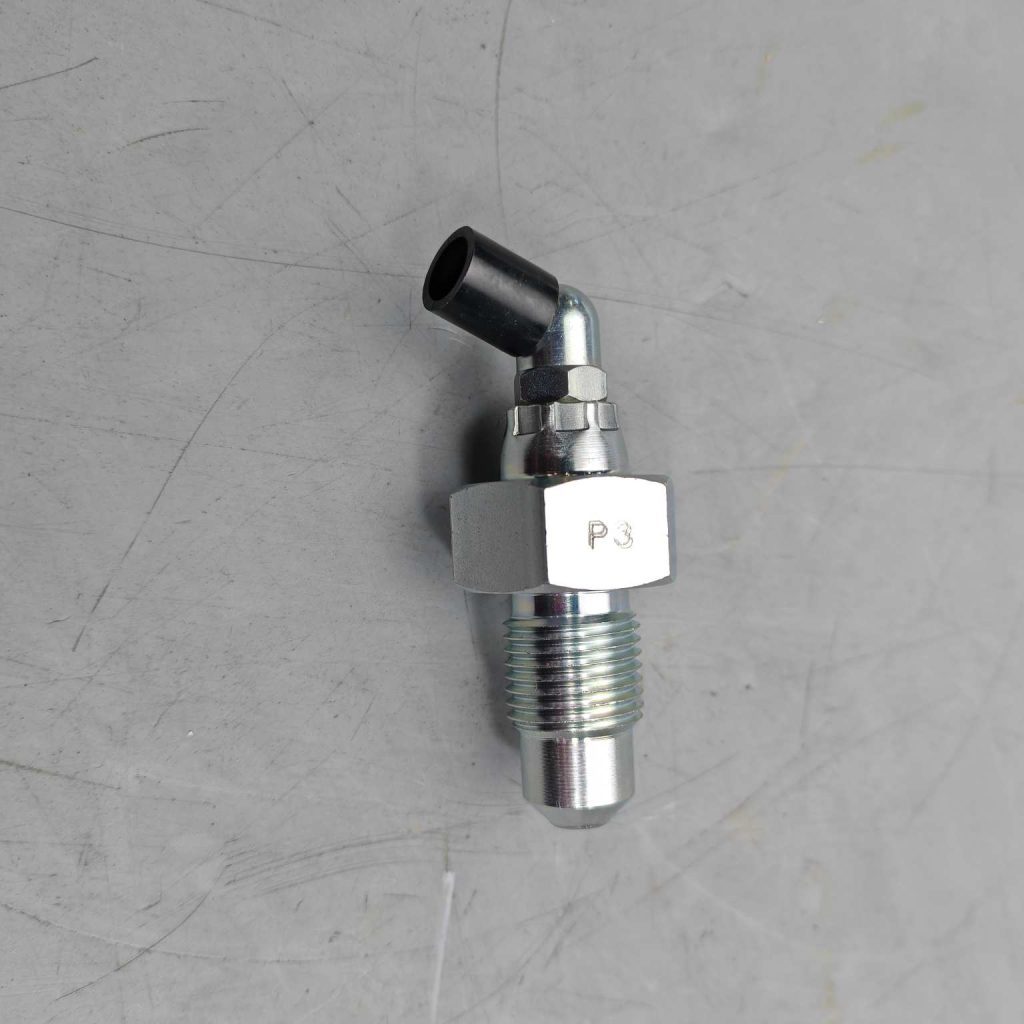
What You’ll Find Inside a Hitachi Parts Catalog
| Catalog element | What it tells you | Why it matters |
|---|---|---|
| Figure or exploded diagram | Visual assembly and callout numbers | Matches each part to its physical location |
| Item number or callout | Line reference on the diagram | Connects the image to the parts list |
| Part number | Manufacturer code for the component | Required for quoting and ordering |
| Part name | Standard component name | Reduces confusion with local or slang terms |
| Quantity | Number used per assembly | Helps planners avoid underordering |
| Serial number range | Machine production window | Determines the correct running-change version |
| Remarks or notes | Supersessions, options, service instructions | Captures part replacement and fitment exceptions |
Among the highest-use sections is the undercarriage group. A Hitachi catalog commonly lists track chain, track shoes, rollers, idlers, and sprockets as separate callouts, each with its own part number and quantity. If the same model shows several roller or track options, the serial number range decides which one fits.
After you identify the undercarriage group in the catalog, the next practical decision is whether the replacement part should be OEM or aftermarket. <OEM vs Aftermarket Hitachi Undercarriage Parts: A Deep Dive> covers the cost, lead time, and wear life trade-offs in that decision.
How to Read the Exploded Diagram
An exploded diagram in a Hitachi catalog is a controlled drawing that separates an assembly into its components so the ordering process can stay precise [2]. The diagram usually shows the pump, control valve, cylinders, hoses, and fittings in their installed positions within a hydraulic system. Each component carries an item or balloon number that links to a line in the parts list.
The parts list then gives the formal part number, part name, required quantity, and any production note. If you skip the diagram and search only by part name, you can easily order a component that is visually similar but not correct for the machine’s serial range.
If the catalog points you to a hydraulic pump or valve assembly, the next step is to source the component without losing time to model confusion. <Locating an Excavator Hydraulic Pump: A Sourcing Guide> covers how to match pump numbers, application fit, and reliable supply options.
Serial Number Breaks: The Detail That Prevents Wrong Orders
Hitachi machines receive running production changes, so two excavators with the same marketing model can use different parts. The parts catalog records this through serial number breaks, date ranges, or production codes. This follows the same product identification principle used across earth-moving machinery, where the machine identification is the key to matching component versions [3].
If you only provide the model, a quote may be based on the most common version rather than your machine’s build. In practice, the catalog needs the full serial number to resolve the correct row. That is why a professional parts request almost always includes the model, serial number, and part number together.
From Catalog Page to Complete RFQ
The catalog page is most useful when it is converted into a structured request for quotation. A clean RFQ avoids losing time in clarification loops. The most important fields to copy are:
| Field from catalog | What to include in the RFQ |
|---|---|
| Model and serial number | Full machine identification |
| Figure or item number | Page and callout reference |
| Part number | OEM number exactly as printed |
| Part name | Standard catalog name |
| Quantity | Required pieces per machine or fleet |
| Remarks | Any supersession or option note |
When the catalog gives you a validated part number, the next sourcing decision is knowing which part characteristics actually affect quality and fit. <What Really Matters When Sourcing Excavator Parts: A Breakdown of Critical Components> covers the criteria buyers should check before accepting a quote.
Turn the Catalog Data into a Clean Inquiry
Once you have the part numbers, screenshot or scan the catalog page and prepare a single inquiry list. Use the same order as the catalog: model, serial number, callout or item number, part number, name, and quantity. If a part number has a “replaced by” note, include both numbers so the current service part can be confirmed.
Then send the list to [email protected] with “Hitachi parts RFQ” in the subject line. A sourcing contact can verify the current part number, confirm compatibility, and return a cost-effective option before you order.
Get the Right Hitachi Parts the First Time
If you already have a Hitachi catalog page or part number list, send it to [email protected] or call +86-21-55800172. Shanghai Yanli Construction Machinery Co., Ltd. uses your machine serial number and OEM references to source compatible parts and confirm superseded or aftermarket equivalents before shipment. Include the model, serial number, part numbers, and quantities to receive a procurement-ready quotation.
Frequently Asked Questions
Do I need the exact serial number to use a Hitachi parts catalog?
In most cases, yes. The serial number is what separates running changes within the same model family. If you only have the model code, the catalog may show several possible versions of the same component, and the wrong version can be ordered.
What does the item number on the exploded diagram mean?
The item number, or callout number, is the reference that connects a component shown in the diagram to its line in the parts list. It helps you move from the drawing to the exact part number and quantity without relying on naming differences.
Can I use the same part number across all Hitachi ZX models?
Not automatically. Some part numbers are shared across models, but many are limited by serial number range, machine configuration, or production changes. Always check the notes and serial number range before ordering.
What should I do when a part number is marked “superseded”?
A superseded part number means the original item has been replaced by a newer or updated version. Record both numbers and ask the supplier to confirm the current service part. This prevents buying obsolete stock when a direct replacement is available.
References
- Hitachi Construction Machinery Co., Ltd. “Hitachi Parts and Service.” Official website. https://www.hitachicm.com/parts-service/
- Hitachi Construction Machinery Co., Ltd. “Technical Documentation: Excavator Parts Catalog.” Official publication.
- International Organization for Standardization. ISO 10261:2002 — Earth-moving machinery: Product identification numbering system. ISO, 2002.
If you’re interested, check out these related articles:
How to Choose the Right Hydraulic Pump Coupling for Your System
Choosing Genuine Cat Excavator Parts Online: Smart Sourcing
Universal Excavator Keys: How They Work & Sourcing Tips
How to Extend Caterpillar Excavator Wear Parts Life: Tips
Shanghai Yanli Participated in Mining & Construction Vietnam 2026 in Hanoi