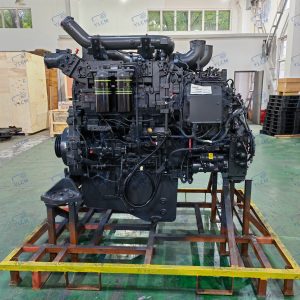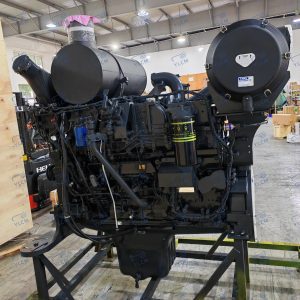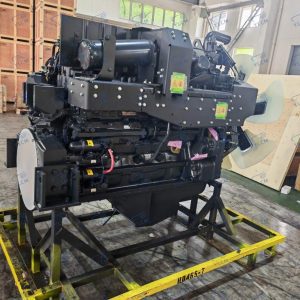

Compact excavators like the Typhon Terror X Storm carry a lot of work in a small frame, and the difference between fast downtime recovery and a stalled job often comes down to one thing: parts that are correctly identified, properly matched, and realistically assessed for quality. Whether you are replacing a failed hydraulic hose, rebuilding an undercarriage, or keeping filters and seals on the shelf, a reliable sourcing process matters more than the lowest initial price.
This guide breaks the machine into its major systems, identifies the components that usually need attention, and gives you a repeatable way to verify fitment, compare part types, and build a parts plan that protects uptime.
1. Know the Machine Before You Source Parts
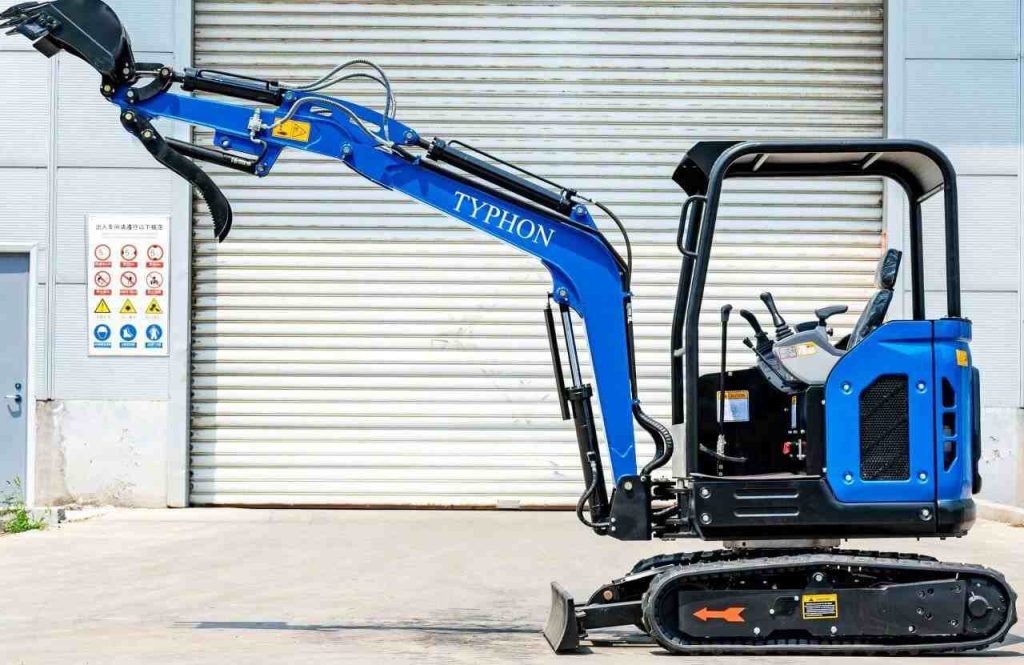
The Typhon Terror X Storm belongs to the hydraulic excavator family within earth-moving machinery [1]. Its parts dependencies span the engine, hydraulic system, undercarriage, electrical system, cab, and structural components. Two machines with a similar appearance can still differ by engine tier, track width, auxiliary hydraulic plumbing, and control configuration.
For that reason, sourcing by model name alone is not enough. The most reliable approach is to work from the machine serial number, the parts book reference, and clear photographs or measurements of the removed component. If the supplier starts by asking for these details, that is a good sign. If they quote without asking, the risk of a mismatch increases.
A broader breakdown of what actually drives parts selection can help here. <What Really Matters When Sourcing Excavator Parts: A Breakdown of Critical Components> covers the core judgment points buyers often miss.
2. High-Attention Components for the Typhon Terror X Storm
Some parts fail gradually; others stop the machine immediately. The table below organizes the areas that commonly drive repair orders and the information you should capture before contacting a supplier.
| System | Common replacement items | Information to record |
|---|---|---|
| Undercarriage | Track links, idlers, sprockets, rollers, track adjusters | Shoe pitch, link count, bushing diameter, measurement points |
| Hydraulics | Hoses, seal kits, pump couplings, cylinders, fittings | Pump model and code, port sizes, seal dimensions, pressure setting |
| Engine | Filters, belts, water pump, injectors, mounts | Engine model, serial number, emission tier, part number |
| Electrical | Wiring harness, sensors, monitor, alternator, relays | Voltage, connector style, pinout, labeled part number |
| Structural | Bucket teeth, pins, bushings, boom and arm wear plates | Pin diameter, working length, bucket model and capacity |
For common replacement categories, undercarriage parts, hydraulic components, and seals are useful starting points when building a maintenance stock list.
Undercarriage components deserve special attention because mismatched pitch or bushing dimensions can create accelerated wear even if the part appears to fit. Check the removed part against the new part before installation, especially when the machine has been running on aftermarket tracks or has unknown service history.
If you are narrowing down undercarriage options, <How to Choose Excavator Undercarriage Parts for Your Machine> covers the selection checks that reduce mismatch risk.
3. OEM, Aftermarket, or Rebuilt: Choosing by Part Type
There is no single best answer across every component. The decision should follow the part’s function, the machine’s operating environment, and the level of risk you can accept.
New OEM or OEM-spec parts are the most straightforward choice for safety-critical or exact-fit locations such as hydraulic cylinders, brake systems, structural pins, and high-pressure fittings. Aftermarket parts can be a strong option for wear items, filters, seals, and common undercarriage components when the supplier can confirm material, dimensions, and heat treatment. Rebuilt components may work for expensive hydraulic pumps or final drives, but they require a clear rebuild standard, test report, and warranty terms.
For hydraulic and high-load components, avoid choosing a part because it looks close. A dimensionally similar component can still have the wrong port orientation, relief setting, or metallurgy. Ask the supplier to confirm the OEM cross-reference or the engineering drawing, not just the model series.
4. Fitment Verification Steps
A reliable parts order starts before the purchase. Use these steps to reduce the chance of receiving the wrong part:
- Record the complete machine serial number and production year.
- Locate the component in the parts book or service manual and capture the reference number [3].
- Record the engine model, hydraulic pump code, and undercarriage specifications from the data plate.
- Photograph the removed part next to a tape measure from multiple angles.
- Note connector shape, port thread type, mounting hole spacing, and flow direction where relevant.
- Compare the old part against the supplier’s drawings or photos before confirming the order.
When the original part number is missing, do not rely on a verbal description alone. Send the measurement and a clear photo so the supplier can work backward from the machine configuration.
5. RFQ Information That Produces an Accurate Quote
The more structured your request, the fewer assumptions a supplier has to make. A complete inquiry for Typhon Terror X Storm parts should include:
- Machine model and serial number
- Part number or parts book page
- Required quantity
- Delivery location and port or warehouse if known
- Photos or dimensions of the removed part when the number is missing
- Target delivery date or downtime window
A supplier that asks follow-up questions before pricing is usually doing the job correctly. Suppliers that quote immediately without asking for serial data may be guessing at compatibility.
For a matched Typhon Terror X Storm quote, send the model, serial number, parts book page, and required quantities to [email protected]. The more complete the request, the fewer fitment assumptions remain before payment.
6. Receiving and Installation Checks
After the parts arrive, inspect them before installation. Confirm the outer packaging is intact and the part number matches the order. Check machined surfaces for dents, corrosion, or damage. For hydraulic components, confirm that caps and plugs are in place to prevent contamination. For seals and hoses, verify that they have not been folded, crushed, or exposed to UV for long periods.
Installation should follow the manufacturer’s service procedures and applicable safety requirements [2]. Replace O-rings, gaskets, and locking hardware when the procedure requires it, and torque fasteners according to the manual. A new part installed with a damaged seal or contaminated hydraulic oil can fail as quickly as the part it replaced.
7. Maintenance Practices That Protect Your Parts Spend
Parts reliability is also a maintenance outcome. Keep the scheduled service intervals in the machine’s operation and maintenance manual as the controlling reference [3]. Inspect the undercarriage for track tension, missing hardware, and uneven roller wear. Check hydraulic oil cleanliness and look for leaks before they become pump or valve problems. Grease pins and bushings at the recommended points, and monitor for rising hydraulic temperatures or unusual noise.
These habits do more than extend component life. They also create a parts history that makes future sourcing faster and more accurate.
When hydraulic components are involved, <How to Choose the Right Hydraulic Pump Coupling for Your System> covers the fitment and wear variables worth verifying.
End CTA: Source the Typhon Terror X Storm Parts You Can Track
Shanghai Yanli Construction Machinery Co., Ltd. supplies excavator parts with part-number verification, material confirmation, and direct sourcing support. If you need help matching a Typhon Terror X Storm component, send the following:
- Machine model and serial number
- Part number or parts book page
- Required quantity and delivery location
- Photos or dimensions of the removed part
Contact us at [email protected] or +86-21-55800172 for a quote matched to your machine, not just your model.
Frequently Asked Questions
Can I use aftermarket parts on a Typhon Terror X Storm mini excavator without affecting reliability?
Aftermarket parts can be reliable when the supplier verifies dimensions, material, and application. For hydraulic, structural, and safety-critical locations, use new or OEM-spec components and confirm the cross-reference before installation.
What information should I prepare before requesting a parts quote?
Prepare the full machine serial number, part number or parts book page, required quantity, delivery location, and photos or measurements of the removed part if the original number is unknown.
How do I know whether an undercarriage part will match my machine?
Check the shoe pitch, link count, bushing diameter, and idler or sprocket dimensions against the existing component. The machine serial number and parts book reference are the strongest starting points for confirmation.
What should I do if the original part number is missing?
Send clear photos of the removed part next to a tape measure, along with the machine serial number and the area where the part was mounted. This allows the supplier to work from configuration and dimensions instead of guesswork.
How can I avoid receiving the wrong hydraulic part?
Write down the pump or cylinder model, port sizes, thread type, and flow direction. Photograph the data plate and the complete assembly, and ask the supplier to confirm the drawing or OEM cross-reference before shipment.
What shipping method is safest for heavy excavator parts?
For heavy or machined parts, use protected packaging with blocked movement inside the crate. Hydraulic components should be capped and sealed. The best method depends on size, weight, destination, and whether the delivery is to a port, warehouse, or job site.
References
[1] ISO 6165:2022, Earth-moving machinery — Basic types — Identification and terms and definitions.
[2] ISO 20474-1:2017, Earth-moving machinery — Safety — Part 1: General safety requirements.
[3] Typhon Terror X Storm mini excavator operation and maintenance manual, manufacturer equipment documentation.
If you’re interested, check out these related articles:
China Excavator Parts Canada: Your Practical Import Guide
Excavator Implements: Types, Uses, and Sourcing Tips
Excavator Hydraulic Pumps Near Me: 5 Expert Sourcing Tips