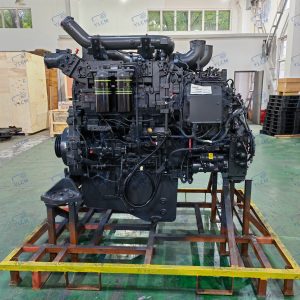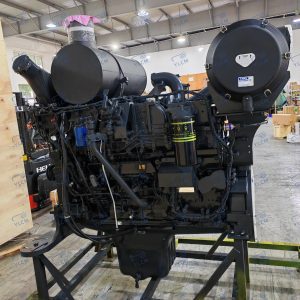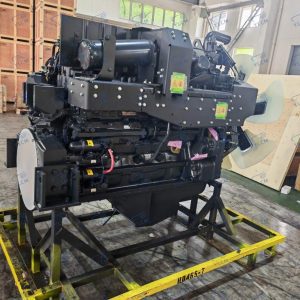

Excavator travel motor parts form the drive unit that turns hydraulic flow into track motion. The assembly is mounted on the track frame and works with the final drive to move the machine forward, reverse, and through turns. When the motor, internal seals, brake, or reduction gears wear, the machine may lose power on one side, creep on a slope, or send metal particles into the hydraulic system. This guide explains the main components, the sequence that converts oil pressure into rotation, common failure signs, and the details to confirm before you replace or repair a travel motor.
What the Travel Motor Assembly Does
A travel motor receives high pressure oil from the excavator pump through the travel control valve. Its job is to convert that hydraulic energy into mechanical rotation, then deliver the rotation through a gear reduction stage to the sprocket and track. The motor also carries the parking brake that holds the machine when the travel control is in neutral.
In many parts systems, the travel motor and final drive are listed together as a travel drive or final drive assembly. The hydraulic motor produces speed and torque, while the gear reduction stage matches that output to the track load. Because the motor is bolted directly to the final drive and the final drive drives the sprocket, a problem in one area can appear as a track fault in another.
A travel motor is normally assessed together with the final drive, sprocket, and track because the load path passes through all of them. <How to Choose Excavator Undercarriage Parts for Your Machine> covers how to evaluate the undercarriage assembly around the drive system.
Main Travel Motor Parts and Their Functions
The assembly can be understood as a small number of functional groups. The table below shows the main groups and the role each one plays.
| Part group | Main components | What it does |
|---|---|---|
| Rotary group | Cylinder block, pistons, swash plate, valve plate | Converts hydraulic pressure into rotation |
| Reduction gearbox | Planetary gears, sun gear, ring gear, carrier | Reduces speed and multiplies torque for the track |
| Brake system | Brake piston, friction discs, springs | Locks the track when hydraulic pressure is absent |
| Control valves | Counterbalance valve, relief valves, speed control | Controls direction, pressure, and travel speed |
| Seals and bearings | Shaft seals, O-rings, backup rings, needle bearings | Keep oil in, keep contaminants out, and carry load |
| Shafts and housing | Output shaft, coupling, motor housing | Transfers torque to the sprocket and protects the assembly |
Each group has a different failure pattern. A seal leak is not the same condition as a worn rotary group, even though both can reduce travel performance. That distinction matters when you decide whether to repair, replace a component, or install a complete travel motor.
How Hydraulic Pressure Becomes Track Motion
The working sequence follows a clear path from the pump to the track.
- The pump sends oil to the travel control valve. When the operator commands travel, the valve directs oil to one side of the motor.
- Inside the rotary group, the valve plate times oil flow into the piston bores. The pressurized pistons push against the swash plate and create rotation.
- The rotating motor shaft drives the sun gear. The planetary gears reduce the output speed and multiply torque before the carrier turns the output shaft.
- At the same time, pilot pressure releases the parking brake so the output shaft can rotate.
- In a two speed motor, the swash plate position changes displacement. Maximum displacement gives low speed and high torque for climbing or soft ground. Reduced displacement gives higher travel speed with lower torque for flat ground.
- Return oil flows through the counterbalance valve and back toward the tank. A case drain line removes internal leakage and heat from the motor housing.
This sequence explains why travel faults are seldom caused by one clean break. A weak track may come from pump flow, a control valve, the motor itself, or the brake circuit, so the diagnosis should follow the oil path rather than pointing at the first hot or noisy component.
Brakes, Valves, and Two Speed Control
The brake is a spring applied, hydraulically released system. When the engine is off or travel pilot pressure is low, the springs clamp the friction discs and hold the machine. When travel is commanded, hydraulic pressure compresses the springs and releases the brake. This design keeps the excavator stationary if hydraulic power is lost.
The counterbalance valve is just as important on a slope. It controls return flow so the track cannot run ahead of the motor and over speed the machine. A damaged or misadjusted counterbalance valve can make the excavator surge downhill or stop abruptly when the travel lever returns to neutral.
Relief valves limit pressure spikes by opening at a set value, protecting the motor and hoses from shock loads when travel starts, stops, or reverses. Some motors also have a flushing or shuttle circuit that uses case drain flow to remove heat and contamination from the motor housing. Two speed control is handled by the swash plate or a two speed valve, depending on the excavator model, so the control type must be confirmed from the machine diagram.
Common Failure Symptoms and What They Mean
Travel motor faults tend to show up as motion problems before they become complete failures.
- One track is weak or slow: this can point to internal leakage in the rotary group, a worn valve plate, a relief valve issue, or a lack of supply flow.
- The machine creeps on a slope with the travel lever in neutral: the parking brake friction discs may be worn, or brake release pressure may be leaking into the circuit.
- Grinding or knocking from the drive area: this often indicates damage in the planetary gears, bearings, or output shaft.
- The motor housing runs hot: high internal leakage, a restricted case drain, low oil, or a dragging brake can all raise temperature.
- Metal particles appear in the oil or filter: this is an early warning that a bearing, gear, or rotating group surface is failing.
- Oil leaks from the shaft or housing joints: shaft seals, O-rings, and mating surfaces should be inspected before the leak allows contamination to enter.
These symptoms can overlap. For example, a weak track and high case temperature may both come from the same internal leakage problem. Confirm the fault with pressure and case drain checks before replacing parts by guess.
What to Check Before Buying Travel Motor Parts
Start with the machine model, serial number, and the motor nameplate. The nameplate usually carries the manufacturer, model, displacement, ratio, and serial number. A visually similar motor can have a different displacement, shaft, mounting flange, port position, or brake release pressure, and the wrong match can damage the final drive or cause control problems.
Also confirm whether you need a complete travel motor, a seal kit, a brake group, a rotary group, or a gear set. If the unit is being repaired, the internal condition of the housing and mating surfaces determines which parts can be reused.
Sourcing decisions for a travel motor should not stop at the motor part number. <What Really Matters When Sourcing Excavator Parts: A Breakdown of Critical Components> covers how to evaluate the critical surrounding components before committing to a repair.
Daily Inspection and Service Checks
Regular checks help catch a travel motor problem before it takes the machine out of service. During the walk around, look for oil at the motor flange, hoses, fittings, and output shaft area. Check the hydraulic oil level and inspect the oil for cloudiness, foam, or visible particles. Operate the machine at low speed and listen for hesitation, grinding, or a visible speed difference between the left and right tracks.
If test equipment is available, case drain flow can be used to monitor internal leakage. A rising trend often shows the rotary group wearing, even when travel still feels acceptable. Keep track tension where the manufacturer recommends it because an over tightened track increases the load on the motor and final drive. Hydraulic filters and oil should also follow the machine service schedule, since contaminated oil is a direct cause of motor wear.
Sourcing the Correct Travel Motor Parts
If the motor has failed or the unit is already open, supply the machine model, serial number, and the motor nameplate data with the inquiry. The same information helps identify a seal kit, a brake group, a rotary group, or a complete travel motor with the right displacement and mounting. Shanghai Yanli Construction Machinery Co., Ltd. can work from those details to confirm a suitable replacement and avoid mismatched parts. Contact [email protected] or +86-21-55800172.
FAQ
What is the difference between a travel motor and a final drive?
The travel motor is the hydraulic part that converts oil flow into rotation. The final drive is the gear reduction stage that lowers the motor speed and increases torque at the sprocket. On many excavators, the two are built into one combined travel drive assembly, so a replacement may be listed as either a travel motor or a final drive. The mounting split and part number determine which portion you are actually buying.
Can a travel motor be repaired instead of replaced?
Yes, in many cases. Seals, brake friction discs, bearings, the valve plate, and some rotary group parts can be replaced if the housing and mating surfaces are still within tolerance. If gear teeth are damaged, the housing is scored, or metal contamination has circulated through the hydraulic system, a complete replacement or a properly remanufactured unit is usually the safer choice. The decision should follow measured wear and the condition of the internal parts, not price alone.
What causes a travel motor to overheat?
Common causes include high internal leakage, a restricted case drain, low oil, dirty oil, a dragging brake, and continuous slope work. Overheating accelerates seal and oil breakdown. Check the oil level and filter condition first. If heat continues, test case drain flow and brake release pressure to find whether the problem is in the motor, the brake circuit, or the hydraulic supply.
How can I tell whether the parking brake is wearing?
The clearest sign is creep on a slope with the travel lever in neutral. The brake is spring applied, so worn friction discs often show up as reduced holding force before a complete failure. Slow brake release, a harsh engagement when travel starts, noise from the brake area, and metal in the oil can also point to brake wear. Confirm with a brake pressure test and inspect the friction plates if the motor is opened.
If you’re interested, check out these related articles:
Hyundai Excavator Spare Parts: Choose the Best Fit
How to Choose Aftermarket Engine Parts for Bobcat Excavators
How to Choose Excavator Undercarriage Parts for Your Machine
How to Replace Nissan Excavator Parts Effectively
Common Mini Excavator Bucket Parts and Replacement Choices