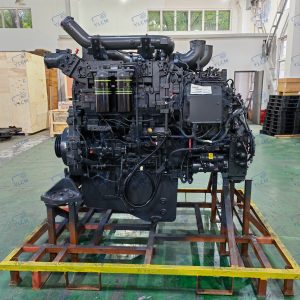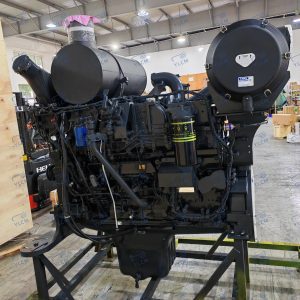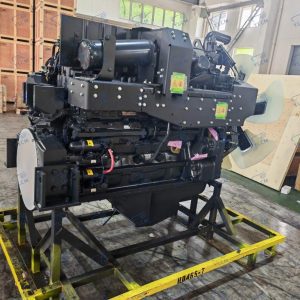

The decision to purchase aftermarket engine parts for a Bobcat excavator comes down to one thing: whether the replacement component will keep the machine running without surprises. During my years at Komatsu and now managing global supply operations, I have watched some buyers secure dependable components at a fraction of OEM cost, while others ended up with parts that failed within weeks. The difference was rarely the price tag. It was whether someone at the sourcing stage had matched the part to the actual working conditions the excavator faces. This article lays out what I have learned about identifying quality aftermarket engine components, vetting suppliers, and moving parts from factory to worksite without disruption.
Why Bobcat Owners Turn to Aftermarket Engine Parts
Aftermarket engine parts make the most financial sense when the machine is out of warranty, runs in a mixed-age fleet, or operates in a region where OEM delivery timelines are measured in weeks rather than days. Bobcat excavators use engines from brands such as Kubota, Doosan, and Yanmar, and the OEM markup on pistons, liners, crankshafts, and short blocks can easily exceed the cost of a well-engineered aftermarket alternative. The key is that aftermarket does not mean generic. Strong suppliers produce engine components on dedicated CNC lines with material specifications that closely mirror the original design. When the supplier understands the thermal loads and duty cycles a Bobcat E85 or 337 faces, the resulting part life matches what fleets expect. The risk enters when sourcing decisions are driven purely by the lowest unit price without a technical review.

What Separates a Durable Aftermarket Engine Component
A reliable aftermarket engine part is not defined by a brand sticker but by a handful of engineering priorities that can be audited before purchase. For pistons, the skirt coating, ring groove machining tolerance, and material alloy composition determine whether scuffing shows up in the first 500 hours. For crankshafts, the journal hardness profile and fillet radius grinding quality control matter more than anything printed on the box. I have inspected several factories in China where the metallurgy lab runs on-site spectrometry and hardness testing for every heat lot, alongside a documented grinding process that stays within 5 microns of target roundness. Those facilities consistently ship parts that hold up in high-ambient-temperature environments across Central Asia and Africa. When a supplier cannot show you a recent third-party material certificate or their in-process inspection log, that part carries more risk than any price advantage can offset.
How to Evaluate an Aftermarket Engine Parts Supplier
Verifying a supplier before sending a purchase order prevents almost all the quality problems I have seen over the years. The first signal is whether the company knows your specific engine model. Ask them to confirm the Bobcat part number cross-reference, then request the OEM part number it replaces, not just their internal SKU. A technically competent supplier does this in one reply because they maintain a current cross-reference database. Next, request a pre-shipment inspection arrangement. Even if you cannot travel, a factory video showing your actual parts under measurement, with the inspection report visible, gives more confidence than a marketing PDF. I also look for whether the supplier stocks intermediate-stage castings and forgings, because that signals control over lead times and supply chain depth. Finally, check how they respond when you ask about a failure. A supplier that traces the heat number and provides a root cause analysis in a short time is one you can build a long-term program with.
If your program involves multiple Bobcat models with different engine configurations, it is worth confirming the exact part number compatibility and lead time before finalizing your order. Send your machine details and part list to [email protected], and we will cross-check compatibility and stock availability.
The Sourcing Steps That Protect Your Equipment
A smart sourcing workflow for aftermarket Bobcat engine parts has five specific steps. First, compile the full list of needed components with OEM part numbers, not just descriptions, because a “piston kit for Kubota V2203” can vary by pin bore diameter and compression height across Bobcat excavator generations. Second, qualify the supplier using the engineering checks described above. Third, request pre-production samples if the order quantity justifies it, especially for rotating assemblies where balance matters. Fourth, agree on a written quality specification before cutting parts, covering key material grades, hardness ranges, and surface finish parameters. Fifth, require shipping in protective packaging that prevents corrosion and handling damage, because an engine part that arrives dented or rusted is worthless regardless of how well it was manufactured. I have seen fleets that implement every step cut engine-related downtime by more than half compared to fleets that treat procurement as a simple price comparison exercise.
Getting Aftermarket Bobcat Engine Parts to Your Jobsite
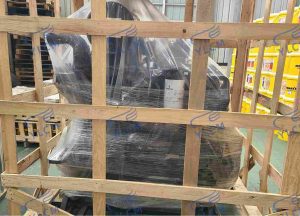
Engine parts for Bobcat excavators are dense, heavy, and sensitive to surface damage, so logistics must be part of the sourcing decision. Reliable suppliers use reinforced export cartons with desiccant packs, and for crankshafts and camshafts, VCI anti-rust paper and custom wooden cradles that lock the part in place. I always confirm the packaging specification in writing before shipment, because even a small shift in transit can cause a bent shaft or a damaged journal. Documentation is equally important. For international shipments, the commercial invoice should list the parts by OEM reference number alongside the HS code, and the packing list must match the carton markings exactly to avoid customs delays. In regions where duties are calculated on transaction value, accurate paperwork also prevents problems months after delivery. A supplier that handles logistics with the same discipline they apply to machining is one you can rely on when your excavator is down and every day counts.
Sourcing aftermarket engine parts for Bobcat excavators is a decision that directly impacts uptime and operating cost. Whether you need piston kits, cylinder heads, complete short blocks, or fuel system components, we can supply parts that match your performance requirements. Send your part numbers and target quantities to [email protected] or call +86-21-55800172, and we will confirm pricing and delivery timelines without obligation.
Questions Fleet Managers Ask About Aftermarket Bobcat Engine Parts
Are aftermarket engine parts a risk for high-hour Bobcat excavators?
Not if the part is correctly engineered for the application. High-hour machines actually benefit from aftermarket supply when the alternative is keeping the excavator idle waiting for an OEM backorder. The key is matching the replacement part to the engine’s service history: a Bobcat 331 that has been running in sandy conditions needs piston ring materials that tolerate higher abrasive wear, regardless of whether the ring is branded OEM or aftermarket. I have seen well-executed aftermarket programs keep 12,000-hour machines productive for another full season.
How long should an aftermarket engine rebuild last compared to OEM?
A correctly installed aftermarket rebuild, using parts produced to equivalent material and dimensional specifications, will deliver 80–90 percent of OEM engine life under similar operating conditions. The remaining gap usually comes from subtle factors like the hardness depth of the crankshaft journals or the specific heat treatment of valve seat inserts. In heavy-use applications like demolition or quarry work, that difference matters. In mixed-duty or utility excavation, the economic advantage of aftermarket parts often outweighs the modest reduction in life.
What documentation should I request before buying?
At a minimum, request a material test certificate for metallic components and a dimensional inspection report for the specific lot you are buying. For turbochargers, the dynamic balance test report is non-negotiable. For complete short blocks, ask for the assembly clearance record because that tells you whether the bearing journals and piston-to-wall clearances were set to the correct range for your engine model. A supplier that cannot produce these documents on request is not operating at the level that protects your equipment.
How do I handle warranty claims if a part fails?
Most established aftermarket suppliers offer a replacement-or-refund warranty covering material and workmanship defects, typically 6 to 12 months from installation, provided the part was installed and operated within specified parameters. The claim process starts with a clear failure report, including photos of the damaged part, operating hour count, and any relevant service records. A technically competent supplier will conduct a failure analysis rather than simply replacing the part, and that analysis is worth more than the replacement because it tells you whether the root cause was in the part, the installation, or the operating conditions. If your next order involves parts requiring specific compliance documentation, share your requirements and we can confirm availability before you proceed.
If you’re interested, check out these related articles:
469334 Excavator Part: Function and Application Explained
Kobelco Excavator Parts Manuals: Your Guide to Efficient Maintenance
Cat 215 Aftermarket Parts Guide: Top Choices for 2026