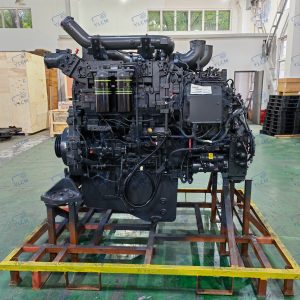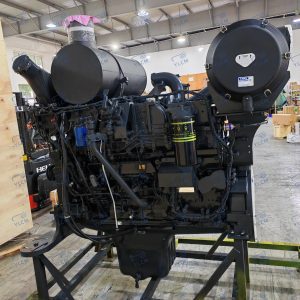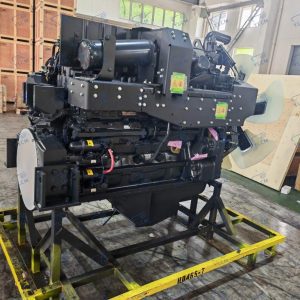

Maintaining a Cat 215 excavator for peak performance and longevity demands a strategic approach to parts procurement. Operators often face the challenge of balancing cost with reliability, and this tension shapes every purchasing decision from filters to undercarriage components. High-quality Cat 215 aftermarket parts can provide a dependable and economical solution when sourced correctly, keeping equipment operational and efficient through 2026 and beyond. The following sections examine quality standards, key components, and effective sourcing strategies for these critical heavy machinery parts.
What Quality Standards Should Cat 215 Aftermarket Parts Meet?
Ensuring operational reliability and safety requires understanding the quality benchmarks for aftermarket components. These parts can meet or exceed original equipment manufacturer specifications when sourced from manufacturers who invest in proper engineering and testing protocols. Many aftermarket manufacturers specialize in specific component categories, dedicating resources to research, development, and validation testing that produces parts performing comparably to their OEM counterparts. The distinction between a high-grade aftermarket part and a substandard one lies in manufacturing processes, material specifications, and quality control rigor.

High-grade aftermarket parts can perform as well as OEM components because reputable aftermarket manufacturers adhere to strict ISO certifications and employ advanced metallurgy and precision engineering. They often use the same or similar raw materials and production techniques as the original suppliers. The verification process should focus on the manufacturer’s reputation and their commitment to quality assurance, including comprehensive testing for durability and fitment accuracy.
Throughout 22 years in this industry, I have observed how a well-chosen aftermarket supplier can reduce operational expenditure by 20 to 30 percent without sacrificing performance. A recent project with a mining client in Central Asia illustrates this point clearly. They struggled with lead times and cost of OEM undercarriage parts for their Cat 215 fleet, and the delays were affecting their production schedules. By connecting them with certified manufacturers in our network, we supplied high-grade aftermarket track links and rollers that cut their part costs by 25 percent while maintaining the same wear life, documented over 5,000 operating hours. Results like these reinforce the value of properly sourced aftermarket components.
Which Cat 215 Components Require Regular Aftermarket Replacement?
Proactive replacement of high-wear and critical components with reliable aftermarket options significantly reduces downtime and extends the overall service life of the Cat 215 excavator. Focusing on frequently replaced items allows for better inventory management and cost control across maintenance cycles.
The most common Cat 215 parts requiring regular replacement include engine filters, fuel filters, hydraulic filters, and air filters to maintain engine health and system cleanliness. Hydraulic seals, O-rings, and hoses also need frequent attention due to wear from high pressure and constant movement. Undercarriage components experience constant abrasion and impact during operation. Track links, track shoes, rollers, idlers, and sprockets all require periodic renewal to maintain machine mobility and traction. Ground engaging tools like bucket teeth and cutting edges are consumables that need replacement to ensure digging efficiency remains consistent.
| Component Category | Typical Aftermarket Part | Benefit |
|---|---|---|
| Engine Parts | Fuel, Oil, Air Filters | Cost-effective filtration |
| Hydraulic System | Seals, Hoses, Pumps | Pressure integrity, fluid transfer |
| Undercarriage | Track Links, Rollers | Traction, machine mobility |
| Ground Engaging | Bucket Teeth, Adapters | Digging efficiency, wear resistance |
| Electrical | Sensors, Starter Motors | System control, ignition |
How Do You Identify Reliable Cat 215 Aftermarket Suppliers?
Partnering with experienced suppliers who have direct manufacturer relationships and a global supply chain ensures access to high-quality parts at competitive prices. A robust sourcing strategy involves more than finding the lowest price. It requires understanding manufacturing standards and supply chain reliability, then verifying that potential suppliers meet both criteria.
To find reliable suppliers for excavator parts, start by evaluating their industry experience and track record. Look for suppliers with direct manufacturer partnerships, which often translates to better pricing and quality control. Verify their quality certifications, including ISO standards, and inquire about return policies and warranty coverage. Assess their customer service reputation and their ability to provide technical support and timely delivery, particularly for international orders where logistics complexity increases.
If your operation depends on consistent Cat 215 uptime and you are evaluating new suppliers, it is worth discussing their quality verification process and lead time guarantees before committing to a first order.
What Does the Cost-Benefit Analysis Show for Aftermarket vs OEM Parts?
A thorough financial evaluation reveals that high-quality aftermarket parts can deliver substantial cost savings and a strong return on investment without compromising excavator performance or durability. While OEM parts offer guaranteed compatibility and often come with brand assurance, their premium pricing can significantly impact operational budgets. Aftermarket alternatives, when chosen wisely, present an opportunity to achieve similar performance levels at a fraction of the cost, directly improving profitability for contractors and mining companies.
The following comparison points help when evaluating parts options:
| Feature | OEM Parts | Aftermarket Parts (High Quality) |
|---|---|---|
| Initial Cost | Higher | Significantly lower (20-50% less) |
| Availability | Generally good, but can have lead times | Often readily available, diverse sources |
| Performance | Guaranteed to meet original specifications | Designed to meet or exceed OEM standards |
| Warranty | Manufacturer’s warranty | Supplier/manufacturer warranty varies |
| Durability | Excellent | Comparable to excellent |
| Resale Value | Preferred by some buyers | Acceptable if quality is documented |
The initial cost difference of 20 to 50 percent on high-quality aftermarket parts compounds across a fleet and over multiple maintenance cycles. For operations running several Cat 215 units, this difference translates to significant annual savings that can be redirected to other operational priorities.
What 2026 Trends Will Affect Cat 215 Aftermarket Parts Availability?
Staying informed about emerging trends in manufacturing, materials, and supply chain logistics for aftermarket parts helps operators make forward-looking decisions that enhance equipment longevity and efficiency. Looking ahead to 2026, continued advancements in material science will likely produce more durable and lighter components. Digitalization of inventory and ordering systems will streamline procurement, reducing lead times and improving accuracy for both suppliers and buyers.
Increased global competition among aftermarket manufacturers will likely drive innovation and maintain competitive pricing, offering even more value to Cat 215 owners. Supply chain diversification, accelerated by recent global disruptions, means more sourcing options from different regions. This geographic spread reduces dependency on any single manufacturing hub and provides backup options when one region experiences delays.
Frequently Asked Questions
How can I be sure aftermarket Cat 215 parts won’t void my equipment warranty?
Most equipment warranties specify that using non-OEM parts will not automatically void the warranty unless the aftermarket part directly causes a failure. Review your specific warranty terms and choose high-quality, certified aftermarket components to mitigate risks. Documenting your part purchases and maintenance records provides protection if any warranty questions arise later.
What’s the typical lifespan difference between OEM and quality aftermarket Cat 215 components?
For high-quality aftermarket parts from reputable suppliers, the lifespan can be comparable to OEM components. These parts are often designed to meet or exceed original specifications using similar materials and manufacturing processes. The key is to vet suppliers and ensure parts adhere to strict manufacturing and material standards. Inferior aftermarket parts will have a significantly shorter lifespan, which is why supplier verification matters so much.
Are there specific aftermarket brands for Cat 215 parts that are generally more reliable?
While specific brand reliability varies by component type and region, focusing on suppliers with transparent manufacturing processes, quality certifications, and strong industry reputations is more reliable than chasing brand names alone. Many dependable aftermarket brands specialize in specific Cat 215 parts like engine or hydraulic components, offering focused expertise in their category rather than trying to cover every part type.
How do aftermarket parts impact my Cat 215 excavator’s resale value?
The impact of aftermarket parts on resale value largely depends on their quality and documentation. Well-maintained excavators with high-quality, properly installed aftermarket components typically retain better value than those with poorly chosen or uncertified parts. Keep detailed service records showing part sources, installation dates, and any testing or certification documentation. To discuss how documentation practices can protect your equipment’s value, contact our team for guidance on record-keeping standards.
If you’re interested, check out these related articles:
Shanghai Yanli Participated in Mining & Construction Vietnam 2026 in Hanoi
Fluid Coupling: Principles and Industrial Applications in 2026