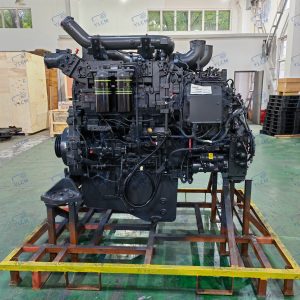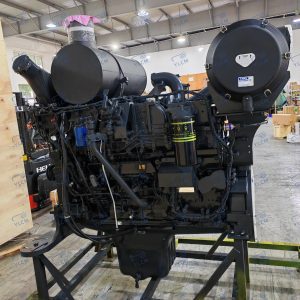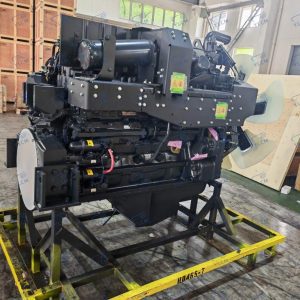

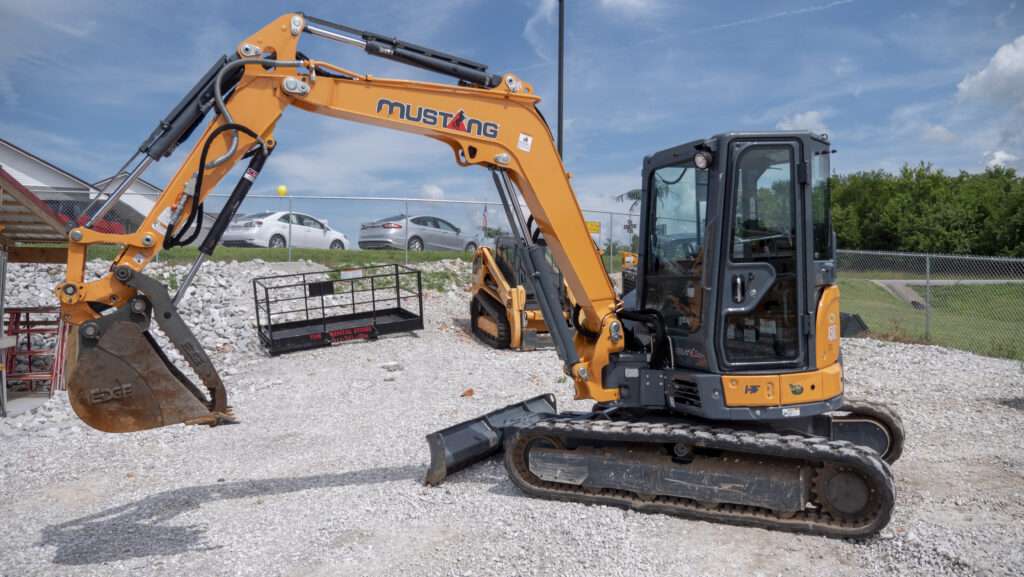
Mustang compact excavators earn their keep on utilities, landscaping, demolition, and residential construction. The parts question usually changes from “which model do I own?” to “which failure modes will pause the next job?” In 2026, sourcing Mustang excavator parts is less about chasing a single dealer and more about matching the machine’s work profile to the right component class: undercarriage, hydraulics, engine support, electrical, and attachments. A solid parts plan starts with the machine identity, moves through wear points, and ends with a supplier that can verify fit before the order leaves the warehouse.
Start With the Machine Identity, Not the Part Guess
The fastest way to waste budget on Mustang excavator parts is to order by appearance. Two compact excavators can share a paint color and still need different track frames, hydraulic fittings, or drive components. The machine identification plate is the anchor for every purchase. Record the model code, serial number, and production family before requesting quotes. If the plate is damaged, cross-reference the engine tag and any stamped chassis numbers.
ISO 7135 provides the commercial and technical vocabulary for hydraulic excavators, which helps when moving between owner manuals, parts catalogs, and supplier listings [1]. The same term can appear differently in aftermarket listings, so a consistent machine identity prevents ordering the wrong undercarriage width, pin size, or hydraulic pressure class.
Mustang Excavator Parts by System
Undercarriage and Wear Components
The undercarriage carries the most visible wear on a compact excavator. Track pads, idlers, rollers, sprockets, pins, and bushings all wear at different rates depending on whether the machine works in clay, sand, demolition waste, or rocky ground. A worn idler or loose track chain will accelerate sprocket wear even if the rest of the system still looks acceptable. For this reason, undercarriage inspections should be treated as a package review rather than a single-part replacement.
Mustang compact excavators share many undercarriage wear points with other mini excavators, so pad and sprocket condition determines most of the long-term cost profile. <Choosing Excavator Undercarriage: Performance & Durability for 2026> covers idler, roller, track, and sprocket decisions in detail.
Buyers should also verify whether the machine uses a standard, narrow, or wide track configuration before accepting a quote. A supplier that only asks for “track group” without the machine serial number may be guessing. [1] [2]
Hydraulic Components and Seals
Hydraulic issues rarely stay isolated. A weak pump, contaminated oil, or degraded seal can produce slow cycles, heat buildup, and valve wear. For Mustang mini excavators, the most common replacement items include gear pumps, relief valves, cylinder seal kits, hoses, and filtration elements. Contamination control matters as much as the replacement part itself. A new pump installed after a contamination event will fail again unless the reservoir, filters, and case drains are flushed.
When reviewing quotes, ask for the pressure class, port configuration, and seal material. Generic “excavator pump” listings are not enough. Hydraulic parts should be cross-referenced against the machine’s service manual or a verified part number. This is the point where small upfront questions prevent expensive downtime later.
Engine and Electrical Support Parts
Engine support parts include belts, water pumps, alternators, starters, fuel filters, glow plugs, sensors, and engine mounts. Mustang compact excavators often sit idle for long stretches between jobs, so electrical connections and fuel-related components suffer from moisture, corrosion, and contaminated fuel. An intermittent electrical fault can mimic a hydraulic or engine problem, so the diagnostic path should include harness inspection before replacing expensive components.
For engine and drivetrain-related purchases, the part number is only the beginning. Confirm the engine family, emission tier, and mounting pattern. [1]
OEM vs Aftermarket Parts: The 2026 Calculation
The real decision is not whether aftermarket parts are acceptable. The decision is whether the part is validated for the application. Many aftermarket parts match or exceed OEM service life when the manufacturer controls material, heat treatment, and dimensional tolerances. OEM parts remain the safest choice for critical sealing surfaces, high-pressure hydraulic components, and emission-sensitive engine parts.
Aftermarket parts can be a better value for wear items, brackets, pins, bushings, and non-safety-critical covers. The key is to avoid “generic” parts that may fit several brands but were not validated for Mustang load cycles.
When OEM Makes Sense
OEM parts make the most sense when machine warranty is still active, when the component is safety-critical, or when the part requires exact calibration. Engine electronic control modules, emission components, and certain high-pressure pumps fall into this category. If the failure risk of a wrong part is high, the convenience of OEM often outweighs the price difference.
When Validated Aftermarket Wins
Validated aftermarket parts work well for track groups, bucket teeth, pins, bushings, filters, seals, and standard hydraulic hoses. A dependable supplier can provide material certificates, dimension checks, and compatibility references. In 2026, lead time is another factor. Aftermarket channels often hold broader stock in regional warehouses, which reduces wait time for common Mustang models.
| Component | Preferred Information to Confirm | Why It Matters |
|---|---|---|
| Track group | Machine serial, track width, number of links | Prevents ordering the wrong pitch or shoe type |
| Hydraulic pump | Part number, displacement, shaft type, port orientation | Avoids misalignment and pressure mismatch |
| Seal kit | Cylinder part number or seal dimensions | Prevents internal leakage after rebuild |
| Bucket teeth | Adapter style, pin diameter, bucket lip profile | Ensures lock and wear retention |
| Engine filters | Engine family, emission tier, current part number | Avoids filter bypass or fit interference |
A Sourcing Checklist for Mustang Excavator Parts
Before committing to a quote in 2026, use this checklist:
- Confirm the machine model and serial number.
- Collect the original part number from the manual or removed component.
- Take clear photos of the part location and any tags.
- Record the working conditions, including soil type, operating hours, and attachment use.
- Ask whether the part is intended for the exact machine series or a cross-listed model.
- Confirm material, heat treatment, and dimensional checks for structural parts.
- Request lead time, packaging, and shipping terms in writing.
- Verify warranty terms and replacement procedures.
This checklist separates a professional sourcing conversation from a rushed parts order. It also helps suppliers route the request correctly instead of offering a “similar” part that may not fit.
When you’re reviewing the full parts package, separating critical drivetrain components from generic wear parts is the fastest way to avoid overbuying. <What Really Matters When Sourcing Excavator Parts: A Breakdown of Critical Components> covers the components that most affect availability and cost.
Common Failure Modes That Should Drive the Parts List
A parts plan built only around routine maintenance misses the real cost drivers. Common failure modes for compact excavators include:
- Track group looseness or uneven pad wear from worn idlers and misaligned track frames.
- Hydraulic drift, slow cycle times, or overheating from internal pump leakage, valve wear, or contaminated oil.
- Electrical intermittents from corroded connectors, chafed harnesses, or failing ground paths.
- Engine derate or hard starting from restricted filters, weak fuel supply, or failing sensors.
- Bucket pivot and linkage slop from worn pins, bushings, and weld cracks.
Each failure mode points to a different parts priority. A machine that moves between demo work and landscaping may need more bucket pins, quick-attach components, and hose protection than a machine used only for trenching. Use the failure mode list to build a small emergency stock package instead of trying to cover every possible part.
How to Request a Competitive Mustang Excavator Parts Quote
The strongest parts request is short and technically specific. Send the machine model and serial number, the required part numbers or photos, the operating conditions, and the delivery location. Include whether the machine is currently down or the part is for planned inventory. That small difference changes urgency and shipping decisions.
Email the request to [email protected] or call +86-21-55800172. A focused quote request moves the conversation directly to fit, availability, and lead time instead of a long guessing chain. If multiple parts are needed, list them in priority order so the supply team can confirm availability in one pass.
Plan the Mustang Excavator Parts Order Before the Machine Goes Down
A 2026 parts plan should be boring on paper and valuable in the field. Start with the machine identity, document the high-wear components, and maintain a short list of emergency spares. Keep the serial number in a maintenance log, not only on the machine. When quotes arrive, check the terms against the checklist above and verify that the supplier has asked the right questions.
Review the part numbers with an experienced parts team before releasing a large purchase. Email [email protected] or call +86-21-55800172 for a structured parts review. The goal is not the cheapest line item; it is the fewest days of unscheduled downtime across the 2026 season.
Frequently Asked Questions
What Mustang excavator parts wear fastest?
Track pads, idlers, bucket teeth, pins, bushings, hydraulic hoses, and cylinder seals usually wear fastest. The exact order depends on the work profile. Clay and demolition work accelerate steel-to-steel wear, while sandy or wet conditions often expose seal and filtration issues earlier.
Can I use aftermarket parts on a Mustang mini excavator instead of OEM?
Yes, aftermarket parts can be a good option when the component is validated for the machine series, especially for wear parts such as undercarriage components, bucket teeth, pins, bushings, and seals. OEM parts are safer for warranty-sensitive, emission-related, or safety-critical components.
How do I identify my Mustang excavator model without a serial plate?
Use the engine tag, any stamped chassis numbers, and the remaining part numbers. Photos of the track frame, cab layout, cylinder location, and hydraulic lines can also help a parts specialist narrow the model range. Do not order by paint color or bucket size alone.
What information do suppliers need to quote Mustang excavator parts?
Suppliers need the machine model, serial number, original part number, operating conditions, and delivery location. Photos of the part and tag are especially useful when the original part number is unreadable.
How should I stock parts for a 2026 maintenance plan?
Stock the parts that stop work first: filters, track group wear components, hydraulic hoses, seal kits, bucket teeth, and common pins. Keep a small emergency kit for the specific Mustang model in your fleet, and refresh it after each major repair so the inventory matches the actual failure history.
References
[1] ISO 7135:2009, Earth-moving machinery — Hydraulic excavators — Terminology and commercial specifications, International Organization for Standardization, 2009.
[2] ISO 6165:2022, Earth-moving machinery — Basic types — Identification and vocabulary, International Organization for Standardization, 2022.
If you’re interested, check out these related articles:
Excavator Seal Kits: Fast 3-Day Delivery for Repairs
How Aftermarket Excavator Parts Factories Operate: A Deep Dive
China Excavator Parts Canada: Your Practical Import Guide