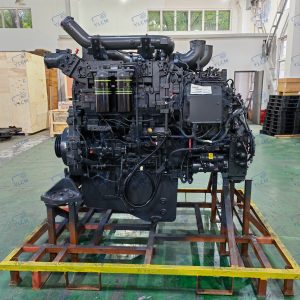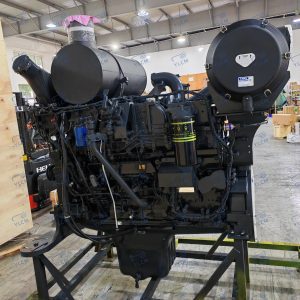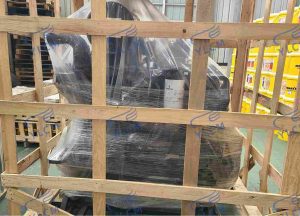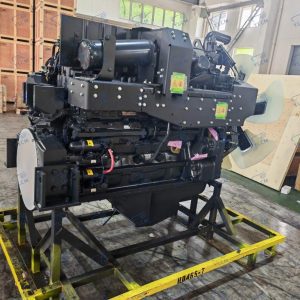

The heavy equipment industry depends on a steady supply of durable components to keep machinery running. Aftermarket excavator parts factories fill a critical gap in this supply chain, offering alternatives to original equipment manufacturer (OEM) parts that can reduce maintenance costs and shorten lead times. For equipment managers and procurement teams evaluating these sources, understanding how these factories operate—from production methods to quality verification—provides a practical basis for supplier selection.
What Exactly Does an Aftermarket Excavator Parts Factory Produce?
An aftermarket excavator parts factory manufactures replacement components for heavy construction machinery already in service. While OEM factories produce parts for new equipment assembly lines, aftermarket producers focus on the maintenance and repair market. Their objective is to replicate the form, fit, and function of original parts, typically at a lower price point, to support the operational life of existing excavator fleets.

The product range is extensive. Engine components include pistons, cylinder liners, and fuel injection systems. Hydraulic parts cover pumps, cylinders, and control valves. Undercarriage components—track links, rollers, sprockets, and idlers—represent a significant portion of production volume due to their wear characteristics. Bucket teeth, cutting edges, and other wear parts round out the catalog. Essentially, any component subject to wear or failure during an excavator’s service life falls within scope.
How Aftermarket Factories Reverse-Engineer and Manufacture Parts
The production process begins with reverse engineering. Engineers disassemble OEM parts to document precise dimensions, material composition, and manufacturing tolerances. This analysis generates the blueprints that guide production. Material sourcing follows, with suppliers selected based on their ability to meet specific metallurgical requirements—carbon content, alloy composition, and grain structure all affect final part performance.
Fabrication moves through casting or forging, machining, heat treatment, and assembly. Each stage operates within defined parameters. When developing a new undercarriage component line, for example, the engineering team specifies high-grade alloy steel with precise carbon and manganese content to match the original part’s hardness and wear resistance. A track link that fails prematurely often traces back to material specification errors or heat treatment deviations, which is why process control at each stage directly determines field durability.
| Material Type | Typical Application | Key Properties |
|---|---|---|
| Alloy Steel | Undercarriage, Gears | High strength, Wear resistance |
| Cast Iron | Engine Blocks, Housings | Vibration damping, Machinability |
| Bronze Alloys | Bushings, Bearings | Low friction, Corrosion resistance |
| High-Strength Composites | Cabin Interiors | Lightweight, Impact resistance |

What Quality Checks Separate Reliable Factories from the Rest
Quality assurance determines whether an aftermarket part performs like the original or fails prematurely. Incoming raw materials undergo chemical analysis and mechanical testing before entering production. In-process inspections monitor dimensions, surface finishes, and heat treatment parameters at each manufacturing stage. Finished parts face final inspection, including fitment verification, pressure testing for hydraulic components, and in some cases simulated operational stress testing. ISO 9001 certification provides a framework for these quality management systems, though certification alone does not guarantee part quality—implementation rigor varies.
One situation illustrates the importance of continuous monitoring. A batch of track links from a new supplier showed inconsistent hardness during quality checks. Production halted while the team traced the issue to a temperature deviation during heat treatment. Implementing stricter temperature controls and increasing the frequency of Rockwell hardness testing reduced the defect rate by 85% within a month. This kind of corrective response separates factories that maintain reliability from those that ship inconsistent product.
Do Aftermarket Parts Actually Match OEM Performance?
The quality gap between aftermarket and OEM parts has narrowed considerably, but variation across suppliers remains significant. Reputable aftermarket factories produce parts that meet or exceed OEM specifications through advanced manufacturing techniques, strict process control, and high-grade materials. Some aftermarket parts outperform originals when the factory has identified and corrected design weaknesses in the OEM version.
Lower-quality aftermarket parts, however, may use inferior materials or skip quality verification steps to reduce costs. These parts often fail prematurely, creating downtime costs that exceed any initial savings. The practical question is not whether aftermarket parts can match OEM quality—they can—but whether a specific supplier consistently delivers that quality level. Track record, quality documentation, and willingness to provide material certifications offer better indicators than price alone.

Why Equipment Managers Choose Aftermarket Parts
Cost savings drive initial interest in aftermarket parts. Prices typically run 30% to 60% below OEM equivalents for comparable quality levels, creating meaningful budget relief on maintenance-intensive fleets. Availability often proves equally important. OEM parts for older equipment models may have long lead times or limited stock, while aftermarket suppliers maintain broader inventories across model years.
| Feature | OEM Parts | Aftermarket Parts |
|---|---|---|
| Cost | Higher | Lower |
| Availability | Can be limited | Often readily available |
| Lead Time | Potentially longer | Generally shorter |
| Warranty | Manufacturer | Supplier/Factory |
| Innovation | Original design | Can include improvements |
Reduced downtime translates directly to productivity. When a hydraulic pump fails and the OEM quotes six weeks for delivery, an aftermarket supplier with the part in regional stock can have the machine running again in days. For operations where equipment utilization rates determine profitability, this availability advantage often matters more than the price difference.
How to Evaluate an Aftermarket Parts Supplier Before Ordering
Supplier selection requires verification beyond catalog review. Industry experience matters—factories that have produced specific part categories for years have refined their processes and identified failure modes. Request documentation of quality control procedures and ask for material certifications on critical components. ISO certification indicates a quality management system exists, but asking about specific inspection protocols reveals whether that system operates rigorously.
Evaluate logistics capabilities alongside manufacturing quality. A supplier with regional warehousing can deliver common parts faster than one shipping everything from a single overseas location. Customer support responsiveness and warranty terms indicate how the supplier handles problems when they occur. If your application involves specialized requirements or you need to verify compatibility with specific equipment models, discussing those details before ordering prevents costly mismatches.
Frequently Asked Questions
How do aftermarket parts factories ensure quality?
Aftermarket factories ensure quality through material verification at incoming inspection, process controls during manufacturing, and final testing before shipment. Dimensional checks confirm fitment. Hardness testing verifies heat treatment results. Hydraulic components undergo pressure testing. ISO-certified quality management systems provide the framework, though implementation quality varies by factory. Requesting material certifications and inspection reports for critical parts provides additional verification.
What are the typical lead times for aftermarket excavator parts?
Lead times depend on part complexity, inventory status, and shipping distance. Common wear parts and high-volume components often ship from regional warehouses within days. Custom or less common parts may require two to four weeks for manufacturing. Aftermarket lead times are generally shorter than OEM for equivalent parts because aftermarket suppliers maintain larger inventories across broader product ranges and do not prioritize new equipment production over replacement parts.
Can using aftermarket parts void my equipment’s warranty?
Using aftermarket parts does not automatically void equipment warranties in most jurisdictions. Warranty terms typically require that any failure be directly caused by the aftermarket part to deny coverage. A hydraulic pump failure unrelated to an aftermarket track link, for example, would remain covered. Review your specific warranty terms and retain documentation showing that aftermarket parts meet or exceed OEM specifications. If you need clarification on warranty implications for your equipment, contact us at [email protected] or +86-21-55800172 to discuss your situation.
If you’re interested, check out these related articles:
Fluid Coupling: Principles and Industrial Applications in 2026
Shanghai Yanli Participated in Mining & Construction Vietnam 2026 in Hanoi