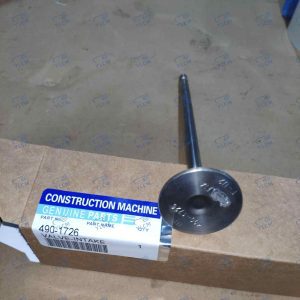
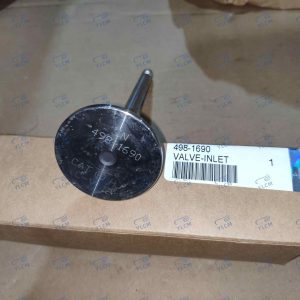
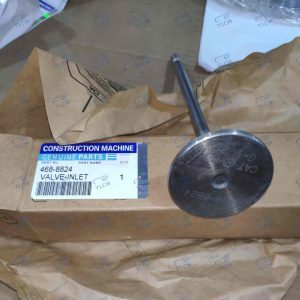
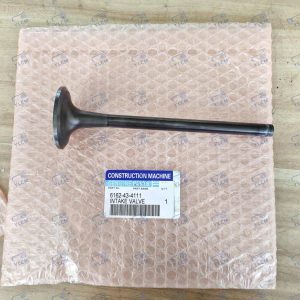
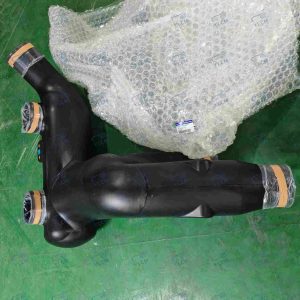
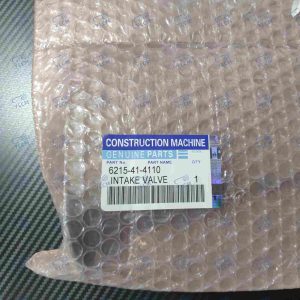
1. What is the function of an intake valve in heavy machinery engines?
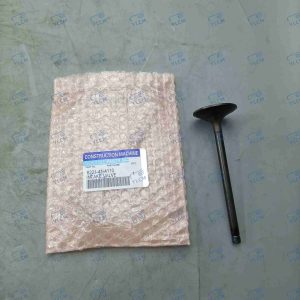
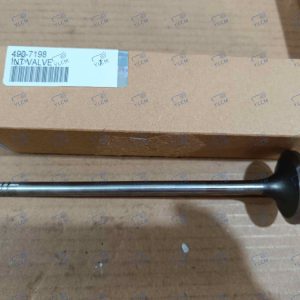
An intake valve opens to allow the air-fuel mixture (or air in direct injection engines) into the engine cylinder during the intake stroke, then closes to seal the cylinder during compression and combustion, ensuring optimal engine performance.
2. What types of intake valves do you offer?
We provide standard and high-performance intake valves for most heavy-duty diesel engine models, including valves for Komatsu, Caterpillar, Hitachi, Volvo and Cummins engines.
3. Are your intake valves compatible with different engine models?
Yes. Our intake valves are produced according to OEM specifications, compatible with most heavy-duty diesel engines used in excavators, loaders and mining trucks.
4. What materials and technologies ensure intake valve durability?
Our intake valves use heat-resistant alloy steel with precision heat treatment and surface hardening, achieving high temperature resistance, wear resistance and fatigue resistance to withstand continuous high-temperature engine operation.
5. Can your intake valves withstand high-temperature and high-pressure engine conditions?
Yes. Our intake valves are designed to withstand the high temperatures and pressures of heavy-duty diesel engines, with excellent heat resistance and wear resistance to prevent deformation, burning and failure under continuous operation.
6. What common intake valve faults do heavy machinery engines experience?
Common issues include valve burning, wear, sticking, breakage and seat damage, which can cause engine power loss, poor performance, abnormal noise and increased emissions.
7. What is the service life of your heavy machinery engine intake valves?
With proper lubrication and maintenance, our intake valves have a service life of 8–10 years, significantly longer than ordinary aftermarket valves, due to high-quality materials and precision manufacturing.
8. Do you provide valve seat and guide parts for intake valve overhaul?
Yes. We offer complete valve overhaul kits including intake valves, exhaust valves, valve seats, guides and seals, making engine valve maintenance more convenient and cost-effective.
9. What regular maintenance is required for engine intake valves?
Regularly change engine oil according to the maintenance schedule, use high-quality lubricating oil to prevent valve wear and sticking, and monitor engine performance and exhaust emissions to detect early signs of valve damage.
10. Why choose YLCM for heavy machinery engine intake valves?
We offer high-strength, heat-resistant intake valves with OEM compatibility, designed for high-temperature engine conditions, ensuring optimal airflow and engine performance.