
A failed hydraulic pump can sideline a mini excavator for weeks if the replacement isn’t right. In over two decades of sourcing construction machinery parts, I’ve seen too many operators choose a pump based only on catalog specs and end up with a unit that doesn’t fit, leaks, or fails within months. Choosing the best mini excavator hydraulic pump for your needs is not just about matching displacement or pressure. It is about verifying the supplier’s quality process and understanding where cost-cutting actually raises risk. This guide walks through pump types, key specifications, sourcing options, and the supplier checks that separate a reliable aftermarket pump from an expensive mistake.

What Type of Hydraulic Pump Does Your Mini Excavator Use?
Most mini excavators under 8 tons run either a gear pump or a variable-displacement piston pump. Gear pumps are common on smaller, simpler machines because they deliver fixed flow at a lower manufacturing cost. A gear pump with 10–16 cc/rev displacement is typical for the 1.5–3 ton class. Piston pumps appear on models where multiple functions share flow and the manufacturer wanted better fuel efficiency. These pumps adjust output based on demand, which reduces heat build-up during idle.
Gear vs Piston Pumps for Mini Excavators
Gear pumps are easier to rebuild and tolerate moderate contamination better than piston pumps. That matters on job sites where hydraulic oil quality isn’t checked frequently. Piston pumps deliver higher pressure with less parasitic loss, but they are expensive to replace and demand clean oil. If your excavator originally came with a gear pump and you try to upgrade to a piston pump, you will likely need to modify the mounting flange and possibly the suction line routing. I’ve advised clients against mixing pump types unless a hydraulic shop confirms the conversion.
How to Match a Hydraulic Pump to Your Excavator’s Specifications
Three numbers drive the selection: displacement in cc/rev, maximum continuous pressure in bar, and the shaft or mounting pattern. Displacement must stay within 5% of the original pump’s rated value unless you are adjusting the engine throttle and system relief valve to match. A pump with higher displacement forces the engine to work harder and can cause overheating.
Next, confirm the inlet and outlet port sizes and their orientation. Some Chinese aftermarket pumps mirror the OEM casting but rotate the port plate differently. I’ve encountered pumps that bolted on perfectly yet blocked the suction line because the inlet port faced the frame rail. Always request a dimensioned drawing before paying, not just a photo of the pump.
Shaft type is another trap. Mini excavators use splined shafts, tapered shafts, or keyed shafts with varying diameters. A 17-tooth spline vs. 15-tooth spline looks close in a photo but won’t engage. Ask the supplier to measure the spline with a caliper and send a close-up photo of the measurement. This step alone has saved our customers weeks of downtime.
| Specification | What to Check | Common Pitfall |
|---|---|---|
| Displacement (cc/rev) | Match within 5% of original | Over-displacement strains engine |
| Max Pressure (bar) | Must meet system relief setting | Pump rated 210 bar on a 250 bar system fails fast |
| Port Orientation | Inlet/outlet relative to mount flange | Wrong angle blocks hose routing |
| Shaft Type and Size | Spline count, diameter, taper angle | Mismatched spline strips drive gear |
| Seal Material | NBR, FKM, or PTFE for high-temp | Standard NBR swells with synthetic oil |
Where to Source a Reliable Mini Excavator Hydraulic Pump
Your options are the OEM dealer, a local aftermarket distributor, or direct from a factory in China, Japan, or Korea. OEM pumps cost 2–4 times more than a comparable aftermarket unit, but you get a warranty and known lead time. Local aftermarket suppliers reduce shipping risk but mark up the product, often without adding any quality inspection.
Direct sourcing from a Chinese hydraulic pump factory can cut the price by 40–60% compared to OEM, but the real savings come from choosing a supplier who runs a functional test on every pump before it leaves. I have visited factories where the “test” is a 30-second spin without load. That doesn’t tell you anything. A proper test runs the pump at rated pressure for 10–15 minutes and records flow delivery, case drain rate, and noise level. Ask for a copy of that test report. If the supplier cannot provide one, find another.
What to Look for in a Chinese Pump Supplier
Beyond the test report, ask for material certificates for the gears or piston shoes and the shaft. Many aftermarket pumps fail because the gear steel is soft and wears rapidly under load. A certificate showing 20CrMnTi or similar carburizing steel with surface hardness above HRC 58 is a good sign. Also check whether the supplier uses OEM-style cartridge seals or generic lip seals. Lip seals work if the oil is clean, but cartridge seals tolerate slight shaft runout better. This is the level of detail that separates suppliers who understand excavator duty cycles from those who just copy dimensions.
How to Verify Pump Quality Before You Buy
If you cannot visit the factory, request a video of the test process, not just the final report. In the video, look for a test bench with a data acquisition screen showing flow and pressure curves. The operator should vary the pressure in steps and hold at maximum for several minutes. Any pump that passes this test will almost certainly work out of the box.
Check the paint and casting finish. This sounds superficial, but I’ve learned that a factory that invests in consistent paint and smooth internal port castings usually pays attention to tolerance control as well. Rough castings can hide sand inclusions that break loose and score the internal surfaces.
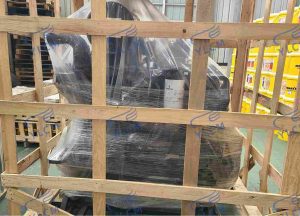
Also, verify how the supplier packages the pump for export. A pump shipped in a single cardboard box will arrive with the shaft bent. The correct packaging includes a plywood crate with the pump bolted down and the shaft protected by a rigid plastic sleeve. We have replaced pumps that arrived damaged simply because the supplier cut corners on crating.
The Real Cost of a Mini Excavator Hydraulic Pump
The sticker price of the pump is only part of the story. Shipping by air from Shanghai to a major US port adds roughly $80–$150 for a 15 kg pump, depending on dimensions. Sea freight is cheaper but takes 25–35 days. Add import duties and customs brokerage. Then factor in the downtime of your machine. A week of lost rental revenue can easily exceed the pump cost itself.
A rebuilt pump from a local shop may cost 60% of new OEM, but if the rebuild only replaces seals and doesn’t re-machine the wear plates, it won’t last. I’ve seen rebuilt pumps fail in under 200 hours because the shop reused a worn pressure plate. Always ask what specific components are replaced and request the old parts back for inspection.
OEM vs Aftermarket Cost Breakdown
| Expense Item | OEM Pump | Quality Aftermarket (Factory Direct) | Local Rebuild |
|---|---|---|---|
| Pump unit price | $1,200–$2,500 | $400–$900 | $600–$1,200 |
| Shipping & duties | Included or low | $150–$300 air freight | None |
| Lead time | 1–3 days | 5–10 days air, 30–40 sea | 1–2 weeks |
| Warranty | 12 months | 6–12 months (depends on supplier) | 3–6 months |
| Expected life (hours) | 3,000–5,000 | 2,500–4,000 (with proper quality) | 800–2,000 |
Keeping Your Pump Running: Installation and Maintenance
Installation mistakes kill more new pumps than manufacturing defects. Before bolting on the new pump, drain and replace the hydraulic oil and filter. Metal particles from the failed pump are suspended in the oil and will destroy the new unit in minutes. Use the oil grade recommended for your climate — 10W or AW32 is common for mini excavators in moderate temperatures.
Prime the pump before starting the engine. Pour hydraulic oil directly into the inlet port and turn the shaft by hand to coat the internal surfaces. Start the engine at idle for the first 10 minutes and check for leaks and abnormal noise. A slight whine during break-in is normal, but any knocking or metal-on-metal sound means stop immediately.
Monitor case drain flow after the first 50 hours. An increase in case drain rate signals wear on the internal sealing surfaces. If the drain rate doubles from the initial benchmark, the pump is heading toward failure and you can plan a replacement before it ruins the entire hydraulic system.
Common Causes of Mini Excavator Pump Failure
Contaminated oil causes most early failures. Even a small amount of dirt or metal chips from a previous pump failure can score the internal surfaces. The second cause is air leaks on the suction side, which create cavitation that pits the metal. Check all suction hose clamps and the O-ring on the suction strainer. Third, running the pump at relief pressure for extended periods overheats the oil and degrades the seals. If the excavator routinely stalls or the relief valve chirps frequently, the system is demanding more pressure than the pump can sustain.
Need a Reliable Pump Without the OEM Price Tag?
Every hour an excavator sits idle costs money. Matching the right pump isn’t just a spec exercise — it requires a supplier who tests every unit and stands behind it. I founded Shanghai Yanli Construction Machinery to give equipment owners access to factory-direct hydraulic pumps that meet OEM tolerances at prices that make economic sense. Send your excavator model, serial number if available, and the required displacement and pressure to sales@sh-yshuo.com. Or call +86-21-55800172 to discuss your project. We will verify the correct pump configuration and provide a quotation with a full test report before shipment.
Common Questions About Mini Excavator Hydraulic Pumps
Can I replace my OEM pump with an aftermarket unit without losing performance?
Yes, if the aftermarket pump matches the displacement, pressure rating, and mounting dimensions of the original. A quality aftermarket pump built with proper materials and tested under load will perform within 5–10% of OEM specifications. The performance gap widens when the supplier cuts corners on gear steel or seal quality. Always request a test report showing actual flow and pressure curves, not just a catalog data sheet.
How do I know if a pump from China is good quality?
Ask for video of the factory test run, material certificates for the rotating group, and photos of the finished pump showing the casting surface and port finishing. A reliable supplier will provide all three without hesitation. If the supplier balks, find another. My team routinely disqualifies factories that cannot document their testing process, and we have built a network of manufacturers that meet the bar.
What is the typical lead time for ordering a hydraulic pump overseas?
Air freight from Shanghai to North America or Europe takes 5–10 days door-to-door, including customs clearance. Sea freight takes 25–40 days but costs less. Factor in 2–3 days for the supplier to prepare the pump if it is in stock, or 1–2 weeks if they need to assemble it to your specifications. Always confirm in-stock status before paying.
Should I buy a new pump or have my old one rebuilt?
A quality rebuild by a hydraulic shop that replaces all wear plates, seals, and bearings can restore a pump to near-new condition at 50–70% of a new OEM unit. However, many rebuilds only replace seals and fail quickly. Ask for an itemized list of replaced parts and the warranty terms. If the shop won’t detail the scope of work, buy new.
How long should a mini excavator hydraulic pump last?
A properly sized, well-maintained pump with clean oil commonly lasts 3,000–5,000 hours. Pumps in dirty environments or with infrequent oil changes may fail before 2,000 hours. Overloading the excavator — for example, using too large an attachment — drives the pump into relief frequently and shortens its life. If your pump failed well under 2,000 hours, explore whether contamination or system overloading was the root cause before installing the replacement. If your replacement plan involves sourcing from overseas, share your operating conditions when you request a quote so the supplier can recommend the right oil and break-in procedure for your climate.
If you’re interested, check out these related articles:
Choosing Reliable Excavator Parts Suppliers: A China Guide
Hydraulic Rock Drills for Mini Excavators: Choosing Your Best Fit
Universal Excavator Keys: How They Work & Sourcing Tips
Excavator Implements: Types, Uses, and Sourcing Tips