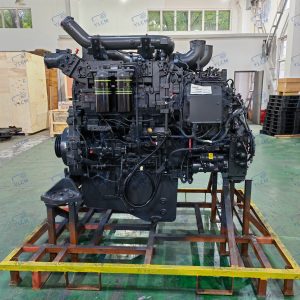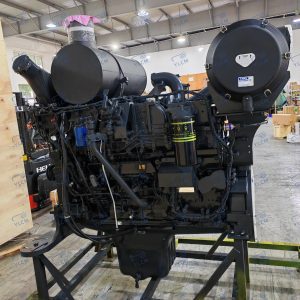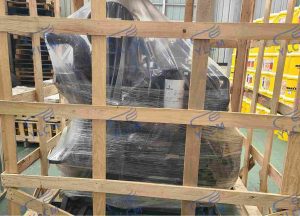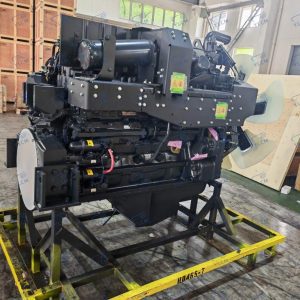

A Bobcat 331 excavator parts list is most useful when it is treated as a configuration-specific selection tool, not a generic shopping list. The machine is a compact excavator, so the list clusters around a few high-wear systems: undercarriage, hydraulics, engine and cooling, structural and cab, and electrical components. The exact line items depend on the serial number, build configuration, and attachments. Buyers who compare each component by part number, application, and material condition can avoid ordering the wrong fitment and reduce downtime. This guide explains how to read the list, which component groups matter first, and how to turn the information into a reliable purchase.
How a Bobcat 331 Parts List Is Organized
A Bobcat 331 parts list is usually organized by system rather than by common name alone. The main groupings follow the machine’s service structure: undercarriage, hydraulic system, engine and cooling, electrical, cab and structural parts, and attachment-related components. Each line typically includes a Bobcat part number, description, quantity, and, where it matters, a serial number range or production break. The serial range is the most important field for a 331 because a compact excavator can receive production updates that change hose routing, track components, or electrical connectors. Before ordering, use the machine’s full model designation, serial number, and, if available, the parts manual revision. That makes it easier to catch a superseded part number or a near-match that looks correct but may not fit.
| System group | Typical line items | Information to confirm before ordering |
|---|---|---|
| Undercarriage | Track chains, shoes, rollers, idlers, sprockets, adjuster seals | Shoe width, chain pitch, link count, roller style, mounting pattern |
| Hydraulics | Pump, cylinders, hoses, fittings, filters, seal kits | Cylinder bore and rod size, hose length, pressure rating, fitting type |
| Engine and cooling | Filters, belts, hoses, radiator parts, mounts, fuel system parts | Engine model, serial range, core dimensions, bracket spacing |
| Electrical | Alternator, starter, wiring harness, sensors, monitor, switches | Voltage, connector type, pin count, software or harness revision |
| Structural and cab | Pins, bushings, brackets, glass, seat, joysticks, guards | Diameter, length, material, option code, cab serial break |
| Attachment interface | Bucket pins, quick couplers, linkage parts | Attachment type, pin size, jaw spacing, mounting geometry |
Undercarriage Components That Need Attention
The undercarriage section usually contains track chains, track shoes, bolts and nuts, front idlers, top and bottom rollers, sprockets, track adjuster assemblies, and related seals. These parts are not always replaced individually. Track chains and sprockets should be evaluated as a wear set because mismatched pitch or sprocket tooth wear can shorten the life of the new part. For a Bobcat 331, the buyer should confirm the shoe width, chain pitch, number of links, roller style, and whether the machine uses a bolt-on or weld-on sprocket arrangement. If the parts list gives several options for the same position, the difference is usually tied to the serial number or a track option fitted at the factory.
Undercarriage parts wear at different rates depending on ground conditions, operating weight, and how often the machine turns on hard surfaces. <Choosing Excavator Undercarriage: Performance & Durability for 2026> covers how duty and job-site conditions affect undercarriage component selection.
In a parts list, wear parts such as rollers and idlers may be offered as new aftermarket, OEM, or remanufactured. Note the bore size, mounting width, and sealing arrangement instead of only selecting by the general machine model. A correct-looking idler can still be wrong if the shaft diameter or rail spacing does not match the frame series.
Hydraulic System Parts and Seal Kits
The hydraulic portion of a Bobcat 331 parts list normally includes the main pump, control valve, cylinders, hoses, fittings, filters, and seal kits. On a compact excavator, hose assemblies and cylinder seals are among the most common replacement items because the machine works with frequent directional changes and variable flow. When reviewing a seal kit line, confirm the cylinder or component it fits, the rod diameter, bore diameter, and the seal material. A model-level match is not enough when a machine has multiple cylinder sizes across boom, arm, bucket, swing, and blade functions. The same rule applies to hoses. The parts list may show a Bobcat assembly number, but a supplier should still confirm the end fittings, length, working pressure, and routing path before shipping.
Hydraulic repairs often require more than replacing the damaged part when wear or contamination has already spread through the circuit. <Excavator Seal Kits: Fast 3-Day Delivery for Repairs> covers seal kit selection and fast repair support for excavator hydraulic systems.
Filters and hydraulic oil are not always line items in a parts list, but they belong in the ordering plan. A pump replacement without clean oil and correct filtration can repeat the original failure. Before changing a major hydraulic component, record the machine’s recent oil condition, any visible metal particles, and the last filter service.
Engine Cooling and Fuel System Components
The engine and cooling section typically includes air filters, oil filters, fuel filters, belts, hoses, radiator components, cooling fan parts, water pump components, engine mounts, and fuel injection-related parts. The exact engine fitment depends on the machine’s serial range and, in some cases, the emission or market configuration. Buyers should confirm the engine manufacturer and model installed in their unit before accepting an aftermarket filter, belt, or gasket set. Belts and hoses are often listed in different lengths or profiles for the same model, so a parts list entry may include a production break. For cooling system parts, check core dimensions, inlet and outlet locations, and bracket spacing when the original part is not available for direct comparison.
Structural Cab and Electrical Parts
Structural and cab lines include pins, bushings, brackets, boom and arm components, guards, glass, seat assemblies, joysticks, and floor or panel parts. These components appear on a parts list with dimensions or position references. A pin or bushing should be verified by diameter, length, material specification, and available greasing or retention details. When an operator enclosure part is needed, check the cab serial or option code because glass, trim, and control panels can change by build date.
Electrical components such as the alternator, starter, ignition switch, wiring harness, sensors, and display require connector type, voltage, pin count, and sometimes software compatibility. A parts list entry can look correct, but an older connector or changed harness routing can still make the part unusable. For harnesses and monitors, avoid buying on part name alone. Ask the supplier to confirm the serial break and connector face before dispatch.
How to Use the Parts List for a Reliable Order
A parts list becomes a reliable order only when the supplier receives the right machine context. Use a short process to reduce errors.
- Record the full Bobcat 331 model, serial number, and year, and note any attachment or option changes.
- Mark each requested line with the part number, the system it belongs to, and the required quantity.
- For fitment-sensitive items, add the serial-number range or production break shown in the manual.
- For hoses, seals, pins, and electrical parts, include dimensions, connector details, or photos of the old component.
- Confirm whether you need OEM, aftermarket, or rebuilt parts, and ask about compatibility, packaging, and delivery terms before payment.
A clear sourcing process matters as much as the list itself when you are ordering for a small excavator. <Sourcing Quality Kubota Mini Excavator Parts Step by Step> covers a step-by-step approach to confirming fitment and supplier quality for mini excavator components.
Where the machine has been modified or repaired with nonstandard parts, mention that too. Photographs of the data plate, the old part, and the mounting area help the supplier catch mismatches before shipment.
Common Mistakes to Avoid with a 331 Parts List
- Ordering by part name alone instead of checking the serial number range
- Treating track chains and sprockets as independent purchases when they should be evaluated as a wear set
- Selecting a seal kit or hose by machine model only without confirming cylinder size, fitting type, and pressure rating
- Ignoring production breaks that affect electrical connectors or cooling components
- Choosing the lowest price without checking whether the item is new, remanufactured, or generic and how that affects warranty and fitment
Each of these mistakes can turn a correct-looking list into freight, delay, or a second repair. When a line item is unclear, request the measurement, connector detail, or serial reference that proves the fit rather than assuming the listing is close enough.
Send Your Bobcat 331 Parts List for a Matched Quote
Send the parts list, serial number, and photos of the worn components to Shanghai Yanli Construction Machinery Co., Ltd. The team can check availability, match aftermarket or OEM options, and confirm packaging for mixed small parts and heavy undercarriage items. Email sales@sh-yshuo.com or call +86-21-55800172 with your machine details and target delivery location.
FAQ
Is a Bobcat 331 parts list the same for every machine?
No. The list changes by serial number, build configuration, attachments, and market. Compact excavators receive updates that alter hoses, track components, electrical connectors, and cab details over time. Always match part numbers against the machine serial range and, where possible, the parts manual revision. A list for one Bobcat 331 may look similar to another, but small changes in an idler, wiring harness, or seal kit can stop the part from fitting.
What should I send with a parts list to get an accurate quote?
Send the full Bobcat 331 model and serial number, the requested part numbers and quantities, and photos of the data plate or worn component where available. For hoses and seals, include dimensions or the old part tag. For undercarriage parts, note the track shoe width, chain pitch or link count, and whether the part is being replaced as part of a set. That information helps a supplier confirm fitment, availability, and shipping requirements.
Can I use aftermarket parts for a Bobcat 331?
Yes, aftermarket parts can be a practical option for many Bobcat 331 components, especially wear items, filters, seals, and undercarriage parts. The key is to confirm the aftermarket part is specified for the same serial range, dimensions, and operating conditions as the original. For precision hydraulic and electrical components, ask about the manufacturer, material or testing standard, and warranty. Aftermarket does not mean universal; it still needs a machine-specific fitment check.
How do I confirm that a part fits my Bobcat 331?
Start with the serial number and the component’s exact position or function. Compare any dimensions, connector type, pressure rating, or wear-set relationship shown in the parts manual. If the old part is available, photograph the tag, stamped number, and mounting area. A supplier should be able to explain which serial range or configuration the offered part suits. When uncertainty remains after a visual check, ask for dimensioned drawings or installation references rather than relying on a model match alone.
If you’re interested, check out these related articles:
JCB Excavator Parts: Functions, Sourcing, and Compatibility
How to Choose Aftermarket Engine Parts for Bobcat Excavators
Excavator Hydraulic Pumps Near Me: 5 Expert Sourcing Tips
Fluid Coupling: Principles and Industrial Applications in 2026
Locating an Excavator Hydraulic Pump: A Sourcing Guide