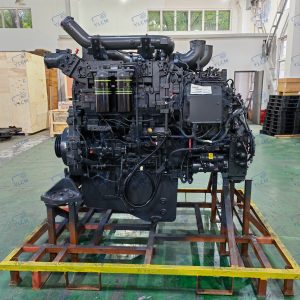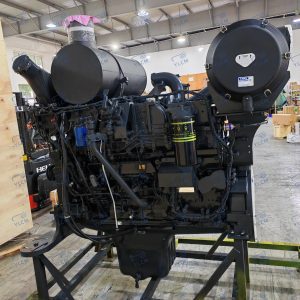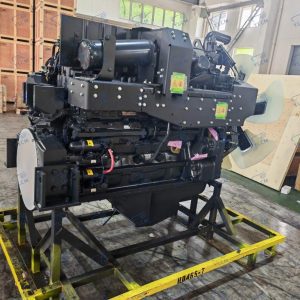

When a JCB excavator sits idle waiting for the right component, every hour costs money. Over more than two decades in construction machinery supply chain, I have seen too many fleets lose weeks because a part arrived wrong or a supplier quoted cheap but delivered unusable quality. Understanding JCB excavator parts means more than memorizing names; it means knowing what each component does, how to confirm it fits your specific model, and where to source with supply chain certainty. For JCB excavator parts, verifying compatibility and supplier track record matters more than chasing the lowest price.
What Are the Main Parts of a JCB Excavator?
JCB excavators share a core structure with most hydraulic excavators but have their own design signatures. The main parts group into three systems: the undercarriage, the upper structure, and the work equipment.
The undercarriage carries the machine and provides mobility. It includes track frames, track chains, idlers, rollers, and the final drive that turns the tracks. JCB uses either rubber tracks for urban work or sealed and lubricated steel tracks for demanding ground conditions. A worn idler or loose track tension will cause uneven wear across the whole undercarriage quickly.
The upper structure houses the engine, hydraulic pumps, cab, and swing system. The cab on a modern JCB excavator gives the operator a central monitor that displays engine load, hydraulic temperature, and diagnostic codes; familiarity with this data stays ahead of failures. Swing components rotate the upper frame, with a slew motor and a large ring gear that handles constant torque in trenching or loading cycles.
The work equipment includes the boom, arm, bucket, and all the linkage pins and bushings that transfer digging forces. JCB offers both monobloc booms and two-piece adjustable booms for jobs needing extra reach or compact transport. The bucket itself comes in many types: general purpose, heavy-duty, and severe-duty, each built for different abrasion levels.

How Do JCB Excavator Hydraulic Systems Function?
Main hydraulic power on a JCB excavator starts at the hydraulic pumps mounted behind the engine. Most JCB models use variable-displacement axial piston pumps that adjust flow to demand. At idle, output is low; at full load, the pumps deliver maximum flow while the engine management system holds RPM steady. This keeps fuel burn predictable.
Hydraulic oil flows through a main control valve block that splits high-pressure oil to each function: boom lift, arm crowd, bucket curl, swing, and travel. The operator’s joysticks send pilot signals to spool valves, directing oil to the appropriate cylinders or motors. A separate pilot pump generates lower-pressure oil for these control signals, so hydraulic response stays smooth even when the main pumps are heavily loaded.
Two other subsystems matter: the cooling and filtration circuit routes return oil through a cooler and a high-efficiency filter, which protects all close-tolerance components. The swing circuit uses a dedicated swing motor and a spring-applied, hydraulically released brake that locks the upper frame whenever the swing lever is in neutral. If that brake drags or fails to release, rotation becomes erratic and the motor can score internally.
How Can You Identify the Right JCB Excavator Parts for Your Machine?
JCB models span from compact mini excavators like the 1CX to full-size crawlers in the JS series. A correct part for a JCB 85Z-1 seldom fits a JS220 without cross-reference. The first step is always to locate the machine identification plate, which carries the serial number and model code. Write those down before calling a supplier; they are the only way to lock in compatibility.
From there, look at the part number stamped on the original component. JCB uses both its own part numbers and, for engine or hydraulic components, the supplier’s OEM number. A genuine JCB injection pump, for example, may have a Lucas or Delphi part number etched on the housing. Cross-referencing those numbers against the OEM catalog avoids ordering by guess.
Electronic access to the JCB parts catalog helps enormously, but many repair shops in developing markets rely on paper microfiche or dealer scans. In such cases I have found that clear photos of the old part next to a ruler, plus the serial number, give a supplier enough to confirm fitment before shipment. Sending a data sheet like that avoids most misorders.
OEM or Aftermarket: Which JCB Excavator Parts Should You Choose?
There is no universal answer, but the decision almost always hinges on three factors: failure consequence, duty cycle, and availability.
For safety-critical or high-precision items such as a control valve or a final drive planetary gear set, OEM parts retain the design specifications that the machine was engineered around. An aftermarket planetary gear may function, but heat treatment and tooth finish differences can cause premature wear; the cost savings disappear quickly when a final drive needs rework after 700 hours.
For high-wear consumables like bucket teeth, undercarriage rollers, or hydraulic filters, a quality aftermarket part from a factory that directly cooperates with OEM suppliers often meets or exceeds the needed lifecycle. I have sourced undercarriage parts from factories that supply the same forgings to the OEM line; the difference in performance was not discernible over 2,000 hours in hard clay. The price advantage, however, ran between 25 and 40 percent.
| Factor | OEM Parts | Quality Aftermarket Parts |
|---|---|---|
| Fit | Guaranteed exact | Requires part number cross-check |
| Warranty | Manufacturer-backed | Supplier-backed; varies by seller |
| Lead time | Often slower for older models | Can be faster with regional stock |
| Cost | Typically higher | 25–40% lower for wear parts |
| Suitability | Best for critical assemblies | Best for high-wear consumables |
If your machine operates on a remote mine site where unscheduled downtime costs more than any part premium, OEM for failure-sensitive assemblies is money well spent. For a fleet running multiple older JCB machines on routine earthmoving, a measured aftermarket program cuts total ownership cost.
Where Can You Source Reliable JCB Excavator Parts?
A dependable supply chain needs three pillars: technical verification, consistent quality, and logistics control.
First, the supplier must verify part numbers against your serial number. Our company works with over 20 OEM and aftermarket manufacturers across China, Japan, Russia, and the USA; we cross-check every order against manufacturer databases. It is a discipline learned at Komatsu China, where a single digit mismatch can hold up a machine for days. That discipline is non-negotiable whether the part costs five dollars or five thousand.
Second, quality does not come from a certificate alone. It comes from knowing the factory that casts, forges, or machines the part. We visit the plants. We watch the heat treatment records and the QC sampling. For complex hydraulic components, bench testing with actual load conditions catches issues that a static measurement never will.
Third, logistics. Clear Incoterms, packing rated for sea freight, and a tracking link sent as the container leaves the factory. We have served mining companies and repair shops in Central Asia, Russia, Africa, and Southeast Asia. The common thread across those regions is that a reliable delivery timeline builds more trust than a cheap quote.
What Maintenance Practices Extend the Life of JCB Excavator Parts?
Undercarriage cleaning at the end of each shift prevents abrasive grit from grinding between pins and bushings. Track tension should be checked while the machine sits on firm, level ground; too loose and the track links hammer the idler, too tight and the final drive bearings take extra thrust load.
Hydraulic oil sampling every 500 hours detects early wear metals before a pump fails. A rising copper count points to slipper foot wear; silicon suggests ingression past a worn breather. Both are fixable before the component becomes hazardous.
Pin and bushing greasing on the boom, arm, and bucket pivots must follow JCB’s interval, but in practice, if the machine works in water or mud, double the frequency. The grease not only lubricates but also pushes out moisture and contaminant slurry. A pin that runs dry for even one shift elongates the bore and accelerates the whole linkage wear.
Electrical connectors in the cab and engine bay should be inspected for corrosion every quarter. A single open-circuit fault in a JCB excavator can throw a wrong sensor reading and cause the ECU to derate the engine. Dielectric grease applied during assembly prevents most of those intermittent headaches.
These practices keep the parts you already have working longer, which simplifies planning the parts you will eventually need.
Sourcing JCB Excavator Parts with Confidence
When a machine is down, the part that arrives on time and fits immediately is the one that matters. We have seen operations lose days because a part was incorrectly cross-referenced or packed carelessly. The right approach puts serial-number verification, supplier quality audit, and logistics planning ahead of price comparison. If you are planning a maintenance cycle or need an urgent replacement, send your part numbers and required quantity to [email protected] or call +86-21-55800172. We will confirm fitment against your serial number and provide a transparent delivery timeline. Making the first inquiry is the fastest way to get the machine back to work.
Common Questions About JCB Excavator Parts
What is the fastest way to identify a JCB excavator part number?
Start with the machine serial plate, then find the stamped number on the old part. If the number is worn, measure key dimensions and take clear photos. A supplier who holds the OEM cross-reference database can usually identify the correct number from these details. In most cases this takes minutes, not days.
Does using aftermarket parts void JCB warranties?
For machines still under manufacturer warranty, using aftermarket parts for a repair does not automatically void the warranty, but if the aftermarket part causes a failure, that repair may not be covered. For older machines out of warranty, this concern disappears entirely. The real question is whether the aftermarket part matches the OEM specification closely enough for your application, not whether the warranty paper is still valid.
How do I know if an aftermarket JCB part is from a reliable factory?
Look for a supplier who can tell you the factory location, share heat treatment and material certification reports, and who has a return policy that covers performance issues, not just initial damage. If the seller resists sharing technical documentation or avoids direct questions about manufacturing, consider that a warning. In our experience, genuinely capable manufacturers are proud of their process records and share them willingly.
Is it safe to buy JCB excavator parts from overseas suppliers?
With the right precautions, yes. Use Incoterms that clarify shipping responsibility, request packing photos before dispatch, and track the container. Working with a supplier who has a record of deliveries in your region eliminates most of the risk. We have regularly shipped to Central Asia and Africa, and the key to safety is not the supplier’s location but their logistics discipline and documentation accuracy.
Should I stockpile common JCB wear parts?
If your machine works in remote locations or if your local dealer does not hold stock for your model, keeping a small inventory of high-wear items such as bucket teeth, hydraulic filters, fan belts, and track adjuster seals can cut downtime dramatically. For fleets running multiple JCB excavators, a shared parts pool for common fast-moving consumables repays the upfront cost many times over. If you are not sure which parts your fleet consumes fastest, share your last six months of maintenance records and we can suggest a stocking list.
If you’re interested, check out these related articles:
DAEWOO Throttle Motor 523-00006: Function, Faults, and Replacement
Understanding Excavator Undercarriage Parts and Their Roles
Choosing Genuine Cat Excavator Parts Online: Smart Sourcing