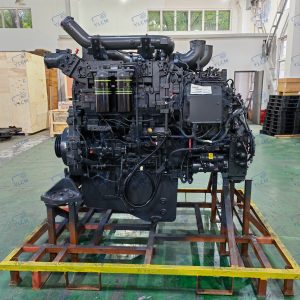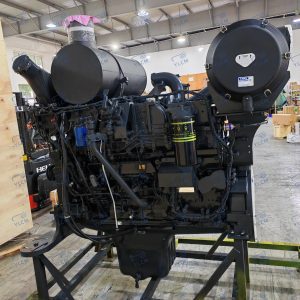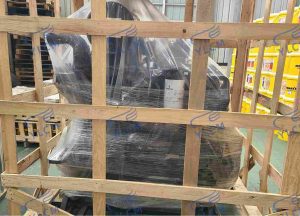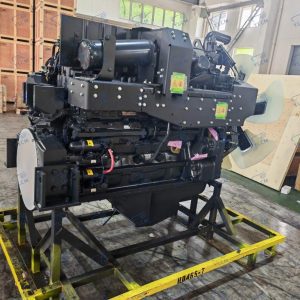

Sourcing excavator parts from China offers real cost advantages and supply chain flexibility, but the market demands careful navigation. Supplier types vary widely, quality control standards differ between factories, and logistics require attention to detail that many buyers underestimate. After more than two decades working in heavy equipment procurement, including extensive time at Komatsu China, I have seen how the right supplier relationship keeps machines running while the wrong one creates expensive downtime. This guide covers what actually matters when selecting excavator parts suppliers for your operation.
What Types of Excavator Parts Suppliers Operate in China
The Chinese market for excavator components spans genuine OEM parts to aftermarket alternatives across a wide quality spectrum. Genuine parts come directly from the Original Equipment Manufacturer, matching exact specifications but carrying premium pricing. Aftermarket parts are produced by independent manufacturers to fit specific equipment models, typically at lower cost but with quality that ranges from excellent to inadequate.
Many Chinese factories produce aftermarket parts that meet or exceed OEM standards. These manufacturers invest in advanced production equipment and maintain strict quality protocols. Other suppliers prioritize cost reduction, which often means compromises on material specifications or manufacturing precision. Procurement managers and workshop owners need to distinguish between these categories before engaging any supplier. My work has involved auditing dozens of these factories directly, which provides clear visibility into what separates reliable manufacturers from those cutting corners.

How to Vet Excavator Parts Supplier Credentials Properly
Assessing a potential supplier’s legitimacy requires more than reviewing online listings or comparing initial price quotes. Surface-level evaluation creates significant risk, including receiving substandard or counterfeit parts. A thorough vetting process involves verifying business licenses, checking certifications such as ISO 9001 for quality management, and requesting references from other international clients.
Early in my career, a client in Central Asia received a shipment of excavator hydraulic pumps that failed within weeks of installation. Investigation revealed the supplier had misrepresented their manufacturing capabilities entirely. The client faced substantial machine downtime and financial losses that exceeded any savings from the lower purchase price. Our team sourced genuine OEM hydraulic pumps from a verified manufacturer within two weeks, reducing projected downtime by 40% and restoring confidence in the supply chain. That experience reinforced why diligent supplier vetting is non-negotiable.
Supplier Credential Checklist
| Criterion | Description | Importance |
|---|---|---|
| Business License | Verify legal registration and operational status. | High |
| Certifications | Check for ISO 9001, CE, or other relevant standards. | High |
| Factory Audit | Conduct a physical or virtual inspection of production. | Very High |
| References | Speak with existing international customers. | Medium |
| Experience | Assess years in business and specialization in excavator parts. | High |
| Communication | Evaluate responsiveness and clarity in interactions. | High |
What Quality Indicators Matter for Excavator Parts
Evaluating excavator parts requires attention to material specifications and manufacturing processes that determine field performance. High-quality parts are engineered for the rigorous demands of construction and mining environments, which means looking beyond surface appearance to understand metallurgy, heat treatment, and machining precision. Inferior parts often use cheaper materials or production shortcuts that lead to premature wear and component failures.
Shanghai Yanli Construction Machinery Co., Ltd. sources high-quality spare parts through direct cooperation with over 20 manufacturers across China, Japan, Russia, and the USA. These direct relationships allow competitive pricing without compromising reliable quality. We scrutinize manufacturing standards across our partner network, ensuring that OEM equivalents and premium aftermarket parts meet required performance benchmarks for demanding applications.
OEM vs. Aftermarket Parts Quality
| Feature | OEM Parts | Quality Aftermarket Parts | Budget Aftermarket Parts |
|---|---|---|---|
| Material | Original specification | Equivalent specification | Lower grade materials |
| Fit & Finish | Exact fit, superior finish | Precise fit, good finish | May require adjustments |
| Durability | Longest lifespan | Comparable lifespan | Shorter lifespan |
| Warranty | Manufacturer’s warranty | Supplier/manufacturer warranty | Limited or no warranty |
| Cost | Highest | Moderate | Lowest |

How to Manage Logistics, Payment, and Communication
International sourcing introduces complexity in logistics, payment terms, and cross-cultural communication that requires planning. Shipping logistics involve selecting appropriate freight methods, managing customs clearance, and understanding realistic lead times for your region. Payment terms should protect both parties, often through letters of credit or escrow services for initial transactions until trust is established.
Communication barriers present ongoing challenges. Language differences, business etiquette variations, and expectation gaps require patience and explicit clarity. Establishing clear communication channels and confirming all details in writing prevents costly misunderstandings. One client faced a two-week delay because a critical part number was miscommunicated during ordering. We clarified the order directly with the factory, expedited the correct part, and delivered it within days of the original expected date. If your sourcing involves technical specifications or custom requirements, confirming details through multiple channels before production begins is worth the extra time.
Why Long-Term Supplier Partnerships Reduce Risk
Strong relationships with excavator parts suppliers create strategic advantages that transactional purchasing cannot match. Long-term partnerships deliver consistent supply, better pricing, and access to technical support and warranty services when problems arise. This reliability matters most for construction and mining operations where equipment downtime directly impacts revenue.
Shanghai Yanli Construction Machinery Co., Ltd. operates on integrity and commitment to long-term cooperation. We provide cost-effective solutions and professional service to global partners, which includes technical advice, inventory management support, and efficient after-sales service. The goal is functioning as a reliable extension of your procurement team, keeping your machinery operational without supply chain interruptions.

How to Start Working with Chinese Excavator Parts Suppliers
Finding dependable excavator parts suppliers in China becomes manageable with a structured approach. Systematic vetting, focus on quality indicators, and commitment to clear communication establish successful partnerships that last.
To discuss specific requirements for your excavator parts needs, contact us at [email protected] or +86-21-55800172.
FAQ
How can I verify the quality of excavator parts from China?
Quality verification requires multiple checkpoints before committing to volume orders. Request detailed material specifications and technical drawings from the supplier. Arrange pre-shipment inspections through a third-party inspection service if the order value justifies the cost. Always request product samples for independent testing before placing large orders. Reputable suppliers will be transparent about their manufacturing processes and quality assurance procedures, while evasive responses to technical questions indicate potential problems. If you need guidance on inspection protocols for specific part categories, our team can advise based on the component type and application requirements.
Are Chinese OEM excavator parts as good as original ones?
Chinese OEM parts from reputable manufacturers can match the quality of parts sourced elsewhere. Many global equipment brands contract Chinese factories for their own OEM production, so country of origin alone does not determine quality. The determining factors are the specific supplier’s credentials, their adherence to quality standards, and their track record with similar parts. Verification matters more than assumptions based on geography.
If you’re interested, check out these related articles:
Fluid Coupling: Principles and Industrial Applications in 2026
Shanghai Yanli Participated in Mining & Construction Vietnam 2026 in Hanoi