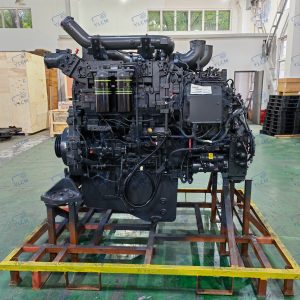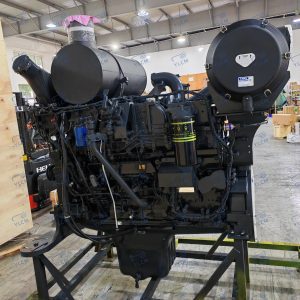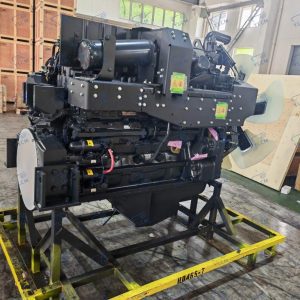

Keeping a 307 Cat excavator running well comes down to knowing which parts wear out and when to replace them. The right 307 Cat excavator parts, combined with a maintenance routine that matches your operating conditions, will cut unplanned downtime and keep repair costs predictable. This guide covers the components that matter most and the practices that actually work in the field.
Which 307 Cat Excavator Parts Wear Out First
Excavators work in conditions that grind through components at different rates depending on soil type, load cycles, and operator habits. Tracking wear on these parts before they fail prevents the kind of cascading damage that turns a $200 seal replacement into a $4,000 hydraulic pump rebuild. I have watched this pattern repeat across mining sites in Central Asia where a cracked idler left unaddressed eventually took out an entire track assembly.
The parts that need the most attention fall into predictable categories:
| Component Category | Specific Parts | Typical Wear Indicators |
|---|---|---|
| Undercarriage | Track links, rollers, idlers, sprockets | Excessive looseness, uneven wear, cracks |
| Ground Engaging Tools (GET) | Bucket teeth, adapters, cutting edges | Blunted edges, missing teeth, structural cracks |
| Hydraulic System | Hoses, seals, O-rings, hydraulic filters | Leaks, reduced power, slow response |
| Engine Components | Air filters, fuel filters, oil filters, belts | Reduced performance, unusual noises, visible damage |
| Pins and Bushings | Boom, stick, bucket pins and bushings | Excessive play, squeaking, visible scoring |

What a Realistic Maintenance Schedule Looks Like
Manufacturer intervals provide a starting point, but actual replacement timing depends on how hard the machine works and what it digs through. A 307 Cat moving clean gravel eight hours a day wears differently than one breaking frozen ground in twelve-hour shifts. The schedule below reflects what holds up across varied conditions.
Daily Checks: Walk around the machine before starting. Check engine oil, hydraulic fluid, and coolant levels. Look under the machine for fresh puddles. Inspect tracks for thrown pins and GET for missing teeth. Verify lights and backup alarms work.
Weekly Inspections: Hit every grease fitting. Clean corrosion from battery terminals. Check belt tension by pressing down at the midpoint. Blow out the engine compartment if dust has accumulated.
250-Hour Service: Change engine oil and filter. Pull the hydraulic filter and check for metal particles. Inspect the air filter element and replace if restricted. Trace all hoses and electrical connections for chafing or heat damage.
500-Hour Service: Replace primary and secondary fuel filters. Check transmission fluid level and condition. Inspect radiator hoses and clamps. Rotate bucket teeth to even out wear or swap in new ones if edges are rounded.
1000-Hour Service: Drain and replace hydraulic fluid. Install new hydraulic return and pilot filters. Measure undercarriage wear against spec limits. Inspect boom and stick welds for cracking. Check swing bearing for play.
How Often Should I Replace Filters on My Cat 307 Excavator
Engine oil filters typically need changing every 250 to 500 hours, depending on oil analysis results and operating dust levels. Fuel filters run closer to 500-hour intervals under normal conditions. Hydraulic filters can last 1000 to 2000 hours, though dusty sites or cold starts with thick fluid shorten that window. Your operator manual gives baseline numbers, but the real answer comes from watching filter condition at each service and adjusting intervals based on what you find.
How to Source 307 Cat Excavator Parts That Actually Last
The gap between a $40 seal kit and a $120 seal kit often shows up six months later when the cheaper one starts weeping. OEM parts guarantee fit and material spec, but quality aftermarket parts from manufacturers who supply the same factories can deliver comparable performance at lower cost. The key is knowing who made the part, not just who sold it.
When evaluating a supplier, look for specifics rather than claims:
Manufacturing transparency: Can they tell you which factory produced the part and what standards it meets? A supplier who sources from multiple certified manufacturers and can trace part origins offers more reliability than one who cannot answer these questions.
Model-specific compatibility: A “fits Cat 307” listing is not enough. The 307 went through several iterations with different hydraulic pressures and pin sizes. Confirm the part number matches your serial number range.
Warranty terms: Reputable suppliers back their parts. Ask what happens if a part fails within the warranty period and how they handle returns.
A client in Southeast Asia learned this the hard way after installing the cheapest hydraulic pump seals they could find. Three months later, the seals failed, fluid leaked into the pump housing, and the resulting contamination damaged the pump itself. The total cost in parts, labor, and downtime ran about 15% higher than if they had bought quality seals from the start.
| Feature | Genuine OEM Parts | High-Quality Aftermarket Parts |
|---|---|---|
| Fit and Performance | Guaranteed precise fit and optimal performance | Excellent fit and performance when sourced from certified manufacturers |
| Cost | Higher initial cost | 20–40% savings on most components |
| Availability | Longer lead times for some items | Often in stock from multiple sources |
| Warranty | Manufacturer’s warranty | Varies by supplier, typically 6–12 months |
| Quality Assurance | Factory testing and documentation | Depends on manufacturer, requires supplier vetting |
What Are the Benefits of Using Genuine Cat Parts Versus Aftermarket Parts
Genuine Cat parts come with exact specifications and a warranty backed by the manufacturer, which matters for critical components like final drive gears or hydraulic pumps where failure costs are high. Aftermarket parts make sense for routine replacements like filters, seals, and wear items where quality manufacturers produce equivalent products at lower cost. The decision depends on the component, the application, and how much downtime you can absorb if something fails early.
Where Can I Find Reliable Suppliers for 307 Cat Excavator Spare Parts
Start with suppliers who have direct relationships with manufacturers rather than those buying through multiple intermediaries. Ask about their quality control process and whether they can provide documentation on part origins. Suppliers with experience serving mining and construction contractors understand the cost of downtime and tend to stock parts that hold up. Shanghai Yanli Construction Machinery Co., Ltd. works directly with over 20 manufacturers, which allows us to verify quality at the source and maintain competitive pricing across a broad parts range.
Troubleshooting Problems Before They Get Expensive
Catching a problem early often means the difference between a $50 fix and a $5,000 repair. Train operators to report anything that feels or sounds different, even if the machine still runs. Here is what to check when common symptoms appear:
Hydraulic power drops off: Start with fluid level and look for fresh leaks around cylinder seals and hose fittings. Pull the hydraulic filter and check for metal contamination, which indicates pump or motor wear. Listen for whining or cavitation noise from the pump.
Engine runs hot: Check coolant level first, then look for debris blocking the radiator fins. Verify the fan belt is tight and the fan clutch engages. A clogged radiator core may need pressure washing from the engine side out.
Tracks wear unevenly: Measure track sag and compare to spec. Uneven wear often points to a seized roller or idler that drags instead of turning. Check sprocket teeth for hooking or cupping.
Electrical gremlins: Clean battery terminals and check cable connections at the starter and ground points. Inspect the fuse panel for corrosion. Trace wiring harnesses for chafing where they pass through bulkheads or near hot components.
New noises: Grinding from the undercarriage usually means a dry roller bearing. Squealing from the engine compartment points to belt slip or a failing idler pulley. Knocking from the hydraulic system can indicate air in the lines or a failing pump.
Keeping Maintenance Costs Under Control Without Cutting Corners
Spending less on maintenance does not mean skipping services or buying the cheapest parts available. It means preventing the expensive failures and avoiding the rush charges that come with unplanned breakdowns.
Stick to the schedule: Preventive maintenance costs a fraction of emergency repairs. A $300 service interval is cheaper than a $3,000 pump replacement plus two days of lost production.
Buy quality where it counts: Filters, seals, and wear items from reputable aftermarket manufacturers perform well and cost less than OEM. Save the OEM premium for components where failure consequences are severe, like final drives or main control valves.
Train operators to notice changes: An operator who reports a slight hydraulic hesitation gives you time to find a small leak before it becomes a pump failure. Operators who push through symptoms create bigger problems.
Use fluid analysis: A $30 oil sample can detect bearing wear, coolant contamination, or fuel dilution months before these conditions cause visible damage. Catching a problem at the fluid analysis stage often means replacing a $200 part instead of a $2,000 assembly.
Consolidate your parts sourcing: Working with a single supplier who stocks your common parts reduces lead times and often improves pricing. My years at Komatsu China showed me how much a reliable supply chain matters when a machine goes down. At Shanghai Yanli Construction Machinery Co., Ltd., we maintain direct relationships with over 20 manufacturers specifically so clients can get the right 307 Cat excavator parts without waiting weeks for shipment.
How Can I Identify If a 307 Cat Excavator Part Needs Replacement
Visual inspection catches most wear items. Look for cracks, scoring, leaks, and deformation during daily walkarounds and scheduled services. Listen for changes in sound during operation. Check measurements against service manual specs for components like track link pitch, pin diameter, and bushing clearance. When a part approaches the wear limit, order the replacement before it fails completely.
Is It Always Better to Use OEM Parts for My Cat 307 Excavator
Not always. OEM parts make sense for complex assemblies where engineering tolerances are tight and failure costs are high. For filters, seals, hoses, and standard wear items, quality aftermarket parts from manufacturers who supply OEM production lines deliver equivalent performance at lower cost. The right choice depends on the specific part, how critical it is to machine operation, and what your downtime tolerance looks like.
What Are the Most Common Maintenance Oversights for 307 Cat Excavators
Skipping grease points ranks highest. Dry pins and bushings wear exponentially faster than lubricated ones. Extending oil change intervals based on appearance rather than hours or analysis causes accelerated engine wear. Ignoring small hydraulic leaks allows contamination into the system. Running past filter change intervals lets debris circulate through pumps and valves. These oversights seem minor individually but compound into major repair bills over a machine’s life.
If you need specific 307 Cat excavator parts or want to discuss your maintenance requirements, reach out to us at [email protected] or +86-21-55800172.
If you’re interested, check out these related articles:
Shanghai Yanli Participated in Mining & Construction Vietnam 2026 in Hanoi
Fluid Coupling: Principles and Industrial Applications in 2026