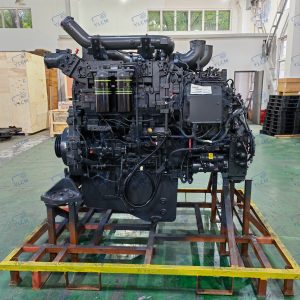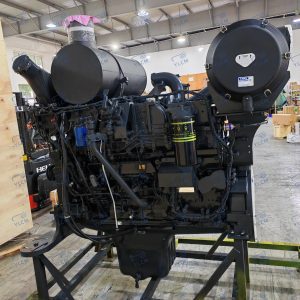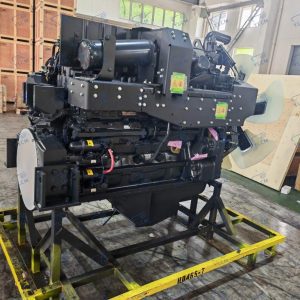

Maintaining heavy machinery requires a systematic approach to maintenance, especially when managing older or specialized fleets. Learning how to replace Nissan excavator parts effectively is the key to minimizing job site downtime and protecting your equipment investment. Whether your machine is a compact Hanix model or a mid-size N-series excavator, replacing worn undercarriage rollers, engine pistons, and hydraulic couplings requires precise technical knowledge and the correct sourcing strategy. By following structured installation steps and choosing high-quality aftermarket components, fleet managers can restore original machine performance while keeping operational costs highly competitive.
Why Should You Replace Nissan Excavator Parts Effectively to Prevent Downtime?
During my twenty-two years working in the construction machinery supply chain, including my tenure at Komatsu China, I have observed that many operators struggle with Nissan excavator parts replacement due to the historical branding overlap with Hanix. Nissan manufactured a successful line of mini and mid-size excavators, such as the N150-2 and N260, which remain active on job sites globally. Operating these machines with worn components compromises safety and accelerates wear on adjacent assemblies. When a single track roller or hydraulic seal fails, the resulting mechanical imbalance increases the load on the entire system, leading to unexpected structural failures.
Replacing these components before catastrophic failure occurs is a financial necessity. In heavy earthmoving applications, an unsourced or improperly installed part can halt an entire project, costing operators thousands of dollars in daily lost productivity. Because Nissan excavators are no longer in active production under the primary brand, finding exact technical specifications requires careful analysis. Sourcing high-quality aftermarket options that match original equipment manufacturer specifications is the most practical path to keep these reliable machines in service. Our team at Shanghai Yanli Construction Machinery Co., Ltd. focuses on clarifying these technical complexities to simplify the procurement process for our global partners.
How Do You Replace Nissan Excavator Undercarriage Parts on the Job Site?
Undercarriage maintenance represents a significant portion of an excavator’s lifetime operating cost. For Nissan mini excavators like the N31 or N080, the undercarriage parts must endure constant friction, mud, and rocky terrain.
When track tension slackens or rollers develop flat spots, immediate intervention is required to prevent track derailment and sprocket damage. Understanding the mechanical relationship between these components is critical, as detailed in our guide on Understanding Excavator Undercarriage Parts and Their Roles.
To replace a worn bottom track roller effectively, follow this structured process:

- Position the excavator on a flat, stable surface and use the boom to lift the track frame on the target side off the ground. Place heavy duty jack stands under the chassis to secure the machine.
- Release the track tension by backing out the grease valve on the track adjuster. This action permits the idler to slide backward.
- Slide the track off the idler wheel. This creates the necessary slack in the rubber or steel track to facilitate roller removal.
- Remove the mounting bolts securing the damaged roller to the track frame. Because these bolts are exposed to moisture and debris, apply a penetrating fluid and use an impact wrench to prevent stripping.
- Slide the old roller out and clean the mounting surfaces on the track frame. Inspect the adjacent track guide and mounting threads for wear.
- Position the new roller, apply a medium strength thread-locking compound to the bolts, and tighten them to the manufacturer’s specified torque.
- Re-tension the track by pumping grease into the adjuster valve until the track sag matches the factory specification, typically between 10 to 15 millimeters.
During this process, also inspect the drive sprocket and track links. If the sprocket teeth show a sharp, hook-like profile, replace the sprocket immediately to avoid rapid wear on new track links.
When replacing track pins, utilizing a high-quality pin set guarantees correct alignment.
Similarly, a new bushing installation prevents premature track elongation and maintains correct track pitch.
Using this systematic approach prevents uneven track wear and maintains stable machine tracking.
The table below details the wear limits and recommended replacement intervals for common Nissan excavator undercarriage components under standard operating conditions:
| Undercarriage Component | Primary Wear Indicator | Maximum Allowable Wear | Recommended Inspection |
|---|---|---|---|
| Bottom Track Roller | Oil leakage or flat spots | 15% reduction in flange diameter | Every 250 operating hours |
| Front Idler Wheel | Lateral play in the shaft | 10% wear on the center tread | Every 500 operating hours |
| Drive Sprocket | Pointed or hook-shaped teeth | 5mm reduction in tooth width | Every 500 operating hours |
| Rubber Track | Deep cracks or exposed steel cords | Exposed internal steel cables | Every 250 operating hours |
How Do You Replace Nissan Excavator Engine Components to Restore Power?
Nissan diesel engines, including the BD30, TD27, and NE6 series, are known for their thermal efficiency and durability. However, operating under high loads eventually requires replacing critical engine components to maintain compression and prevent oil consumption.
When planning an engine overhaul, selecting parts that match the exact cylinder bore and stroke is vital to avoid catastrophic piston-to-valve contact. For detailed insights on selecting durable parts, refer to our guide on Choosing Excavator Undercarriage: Performance & Durability for 2026.
Replacing a worn engine piston and liner assembly requires a clean workspace and strict adherence to torque sequences:
- Drain the engine oil and coolant completely. Remove the cylinder head and oil pan to access the connecting rods.
- Rotate the crankshaft to position the target piston at the bottom of its stroke. Mark the connecting rod cap and matching rod to guarantee correct orientation during reassembly.
- Remove the rod cap bolts and carefully push the piston and rod assembly upward through the top of the cylinder block. Use a brass drift to avoid scratching the crankshaft journal.
- Clean the cylinder bore and measure the inside diameter at multiple points to check for taper or out-of-round wear. If wear exceeds 0.15 millimeters, install a new cylinder liner.
- Install the new piston rings onto the piston using a ring expander, making sure the ring gaps are staggered at 120-degree intervals to prevent blow-by.
- Lubricate the piston, rings, and cylinder wall with clean engine oil. Compress the rings using a piston ring compressor and gently tap the assembly into the bore.
- Reattach the connecting rod cap with new bearings, torqueing the bolts in three progressive stages to the exact factory specification.
While the engine is disassembled, inspect the cooling system. A failing water pump can cause rapid overheating, leading to warped cylinder heads and blown gaskets.
Additionally, inspect the cooling fan for any cracked blades that could disrupt airflow. Replacing these auxiliary parts during an engine rebuild is a cost-effective way to secure long-term reliability.
If you operate a mixed fleet, we also offer high-quality components for komatsu equipment.
Our inventory includes parts for cat machines as well, letting you simplify your maintenance inventory.
By maintaining strict cleanliness and utilizing precise torque measurements, you protect the internal engine clearances and guarantee smooth operation under heavy loads.
How Do You Replace Nissan Excavator Hydraulic Pump and Coupling Assemblies?
The hydraulic system is the muscular network of your excavator, translating engine horsepower into fluid force. Over time, the main hydraulic pump experiences internal wear, resulting in slower cycle times, weak arm movement, and increased operating temperatures.
Replacing these hydraulic components requires absolute cleanliness, as even microscopic dust particles can score control valve spools and damage piston pump rotating groups.
When replacing the hydraulic pump, the drive coupling must also be inspected. The coupling connects the engine flywheel to the pump input shaft, absorbing torsional vibrations and compensating for minor shaft misalignment. Selecting the correct coupling material and size is critical to prevent spline stripping, a topic explored in detail in our guide on How to Choose the Right Hydraulic Pump Coupling for Your System.
To replace the hydraulic pump and coupling assembly:
- Clean the exterior of the pump and the surrounding engine compartment thoroughly to prevent dirt from entering the open hydraulic lines.
- Label and disconnect all hydraulic hoses attached to the pump. Immediately cap the open hoses and pump ports with clean plastic plugs.
- Sustain the weight of the pump using a hoist or a transmission jack. Remove the mounting bolts securing the pump to the engine flywheel housing.
- Carefully pull the pump straight back to disengage the input shaft from the coupling. Remove the worn coupling from the flywheel.
- Inspect the flywheel mounting threads and clean the input shaft. Install the new coupling, making sure the mounting bolts are torqued to specification.
- Install new hydraulic seals on all hose connections to prevent high-pressure oil leaks.
- Inspect the pump drive gear for any chipped teeth before final mounting.
- Before starting the engine, fill the pump housing with clean hydraulic oil through the case drain port to prevent dry-start damage.
If your fleet maintenance involves older Hanix or Nissan N-series models with discontinued serial numbers, it is worth confirming the exact shaft spline count and hydraulic pressure ratings before finalizing your order, so reach out to our technical team at [email protected].
Following this detailed procedure protects your hydraulic system from contamination and guarantees immediate, responsive pressure delivery.
How Do You Source High Quality Aftermarket Nissan Excavator Parts?
Sourcing replacement parts for out-of-production machinery requires a balance of technical verification and supplier evaluation. While original parts offer guaranteed fitment, their high cost and limited availability for older Nissan or Hanix models often make aftermarket components the most viable alternative. However, not all aftermarket factories maintain the same quality standards. To understand how premium aftermarket parts are manufactured, you can read our deep dive on How Aftermarket Excavator Parts Factories Operate: A Deep Dive.
When evaluating suppliers, prioritize those who can supply detailed material certifications and dimensional diagrams. This verification is especially critical for high-wear items like the final drive and travel motors, where internal gear tolerances are measured in microns.
Working with an experienced sourcing partner who understands global supply networks, such as Mr. Jim Hu and our team at Shanghai Yanli Construction Machinery Co., Ltd., assists in eliminating compatibility risks. For practical steps on selecting a trustworthy supplier, consult our guide on Choosing Reliable Excavator Parts Suppliers: A China Guide.
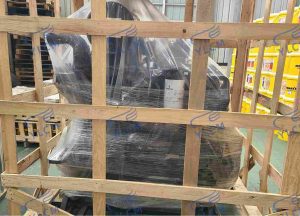
To protect your machinery investment during transit, confirm that your supplier utilizes heavy-duty wooden crates and vacuum-sealed packaging. This prevents rust and physical impact damage during long-distance maritime shipping, as discussed in Safe Shipping Excavator Parts: Protecting Your Heavy Machinery Investment.
Sourcing reliable components for older or specialized excavators can be a frustrating process, especially when dealing with discontinued parts or mismatched specifications. At Shanghai Yanli Construction Machinery Co., Ltd., we simplify your supply chain by offering direct access to premium OEM and aftermarket parts from verified manufacturers. To secure the exact components you need without the risk of costly compatibility errors, send your Nissan part numbers, machine model, and required quantities to [email protected] or speak directly with our sourcing experts at +86-21-55800172.
Common Questions About Nissan Excavator Maintenance
How do I identify the correct part numbers for my Nissan excavator?
Finding the correct part numbers requires locating the machine’s metal identification plate, typically mounted on the cabin frame or the track structure. Because Nissan excavators were often distributed under the Hanix brand name in specific markets, cross-referencing both names in a verified parts catalog is necessary to secure accurate component dimensions. If the original identification plate is missing or unreadable, measuring the physical dimensions of the worn part, such as shaft diameters and bolt hole spacing, is the most reliable way to verify compatibility before ordering aftermarket replacements.
Can I use parts from other excavator brands on my Nissan machine?
Many operators incorrectly assume that parts from major brands like Komatsu or Hitachi are interchangeable with Nissan excavators, but in reality, most structural and hydraulic components have unique dimensions. While certain auxiliary engine parts or standard hydraulic seals may cross-reference with other Japanese manufacturers, critical assemblies like final drives, track rollers, and control valves are model-specific. Attempting to force a mismatched component onto your machine can lead to severe mechanical interference, oil leaks, and premature wear on adjacent systems.
Should I choose rubber or steel replacement tracks for my mini excavator?
It depends on your primary operating environment; rubber tracks are highly recommended for urban construction sites where preserving concrete and asphalt pavement is necessary. Conversely, steel tracks are far more durable for demolition yards, rocky terrains, and forestry applications where sharp debris can easily cut rubber compounds. If your projects involve a mix of both surfaces, utilizing bolt-on rubber pads over steel track chains offers a versatile compromise that balances surface protection with long-term wear resistance.
How often should I replace the hydraulic cylinder seal kits on my excavator?
In the field service programs our team has managed, we found that replacing hydraulic cylinder seals every 2,000 operating hours prevents sudden pressure drops and oil contamination. Operating a machine with hardened or cracked seals lets microscopic dirt enter the hydraulic circuit, which rapidly scores the cylinder rods and damages the main hydraulic pump. Inspecting the cylinder rods for oil film buildup during daily walk-arounds is the best way to detect early seal degradation. Share your Nissan excavator model and serial number with our team at [email protected], and we will verify the exact seal kit compatibility for your hydraulic cylinders.
Industry Standards and Data Sources Cited
FULIAN Machinery, Nissan Excavator Replacement Spare Parts Catalog, 2024
MiniFinalDrives, Nissan Hydraulic Final Drive and Travel Motor Technical Specifications, 2025
TVH Parts, Nissan Mini Excavator Aftermarket Parts and Accessories Guide, 2026
If you’re interested, check out these related articles:
Using Caterpillar Excavator Parts Catalogs: Maximize Uptime
DAEWOO Throttle Motor 523-00006: Function, Faults, and Replacement
How Aftermarket Excavator Parts Factories Operate: A Deep Dive
Kobelco Excavator Parts Manuals: Your Guide to Efficient Maintenance
OEM vs Aftermarket Hitachi Undercarriage Parts: A Deep Dive