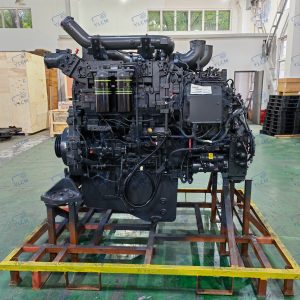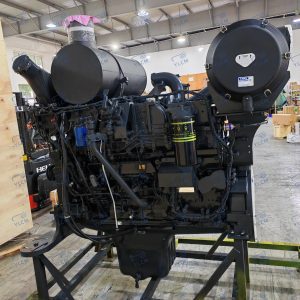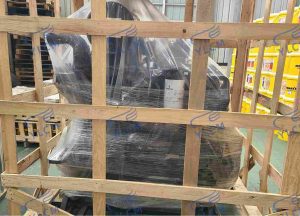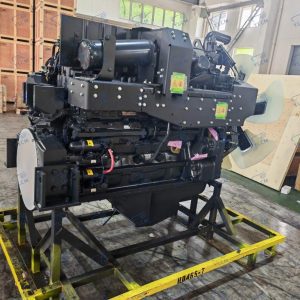


Shipping excavator parts across international borders exposes components to handling forces, environmental conditions, and regulatory checkpoints that can delay projects or damage precision-machined surfaces. The gap between a part leaving a factory floor and arriving at a remote job site often spans weeks and multiple transshipment points. Getting this right means fewer emergency air shipments, lower repair bills, and equipment that returns to service on schedule.
Pre-Shipment Preparation and Packaging Standards
Packaging failures account for a disproportionate share of transit damage claims on heavy equipment components. A cracked hydraulic valve housing or corroded cylinder bore surface traced back to inadequate protection during ocean transit can set a project back by weeks while replacements are sourced. The preparation steps below address the specific failure modes I have seen repeatedly over two decades of handling excavator parts shipments.
Clean and inspect parts thoroughly. Remove all dirt, grease, and debris from components. Inspect for any existing damage before packaging. Surface contamination trapped under protective coatings accelerates corrosion rather than preventing it.
Apply corrosion protection. For metal parts, especially those exposed to moisture or sea air, apply rust prevention coatings, VCI (Volatile Corrosion Inhibitor) films, or desiccant packs. Precision-machined surfaces and hydraulic components require particular attention because even light surface oxidation can compromise seal integrity or dimensional tolerances.

Disassemble and secure smaller elements. Break down larger assemblies into smaller, manageable units where possible. Secure any loose parts or delicate mechanisms to prevent movement during transit. A hydraulic pump shipped with its mounting hardware loose inside the same crate will sustain impact damage that no external packaging can prevent.
Use heavy-duty crates or pallets. Construct custom wooden crates for oversized or high-value excavator parts, ensuring they meet ISPM 15 international phytosanitary standards for wood packaging. For smaller, heavier items, use reinforced steel or hardwood pallets. Non-compliant wood packaging triggers quarantine holds at destination ports, adding days or weeks to delivery timelines.
Provide adequate internal cushioning. Use shock-absorbing materials such as foam, specialized dunnage, or robust bracing to fill voids and prevent parts from shifting inside the packaging. The rule of thumb: if you can hear anything move when you tilt the crate, it will move during transit.
Seal and weatherproof. Apply waterproof liners, heavy-duty plastic sheeting, and industrial-grade shrink wrap to protect against moisture, dust, and other environmental contaminants. Ocean containers experience significant temperature swings that cause condensation inside the container, a phenomenon known as container rain that damages unprotected metal surfaces.

Label clearly and accurately. Affix durable, weather-resistant labels on multiple sides of each package. Include recipient and sender addresses, part numbers, weight, dimensions, handling instructions (such as “Fragile” or “This Side Up”), and hazard warnings where applicable.
Photograph before and after packaging. Document the condition of the parts and their packaging with clear photographs. This visual record is invaluable for insurance claims or disputes, and it establishes baseline condition if questions arise at destination inspection.
How to Select a Logistics Partner for Heavy Equipment Parts
A freight forwarder without heavy equipment experience will quote competitive rates and then struggle with the actual execution. The problems show up as damaged cargo, missed connections, or customs holds that extend transit times by weeks. When evaluating potential partners for excavator spare parts transport, their operational track record matters more than their rate sheets.
Experience with heavy equipment logistics. Does the partner have a proven track record in transporting large, heavy, and often irregularly shaped machinery components? Ask for references from customers shipping similar cargo.

Global network and reach. Can they handle shipments to and from your required regions, including challenging markets like Central Asia, Russia, Africa, or Southeast Asia? Some routes require specialized knowledge of local port operations and inland transport limitations.
Specialized equipment and facilities. Do they possess the necessary equipment for loading, unloading, and securing oversized cargo, along with appropriate warehousing? A partner who subcontracts every specialized handling step introduces additional handoff points where damage can occur.
Customs and compliance expertise. Are they knowledgeable about international trade laws, customs procedures, and Incoterms relevant to heavy machinery parts? Errors in documentation or classification can trigger inspections, fines, or seizure of goods.
Insurance coverage. What level of cargo insurance do they offer, and what is their process for handling claims? The claims process matters as much as the coverage limits. A partner who fights every claim or takes months to process paperwork provides little practical protection.
Throughout my 22 years at Komatsu China, I observed that logistics partners with deep understanding of specific routes and local customs requirements consistently delivered parts with fewer delays and lower damage rates. When I founded Shanghai Yanli Construction Machinery Co., Ltd., I prioritized establishing relationships with freight forwarders who demonstrated this specialized knowledge. Our delivery success rate for critical components to remote mining sites improved by over 15% compared to working with generalist providers.
| Service Type | Best For | Key Benefit | Potential Drawback |
|---|---|---|---|
| Full Container Load (FCL) | Large volume, high value | Dedicated container, faster transit | Higher cost for smaller shipments |
| Less than Container Load (LCL) | Smaller, non-urgent shipments | Cost-effective for smaller volumes | Longer transit times, more handling |
| Air Freight | Urgent, high-value, light parts | Fastest delivery | Highest cost, size limitations |
| Break Bulk | Oversized, non-containerizable | Handles very large, heavy items | Slower, more complex handling |
What Documentation Clears Excavator Parts Through Customs
Incorrect documentation or missing paperwork triggers customs holds that can extend transit times by days or weeks. Each country has specific import and export regulations, and the documentation requirements vary by component type, value, and end use. Getting this right the first time avoids storage fees, demurrage charges, and the scramble to produce corrected paperwork while cargo sits in a bonded warehouse.
Commercial Invoice. This document details the seller, buyer, description of goods, quantity, unit price, total value, and terms of sale (Incoterms). Customs authorities use it to assess duties and verify declared values.
Packing List. Provides a detailed inventory of the contents of each package, including dimensions and weight. Discrepancies between the packing list and actual contents trigger inspections.
Bill of Lading (B/L) or Air Waybill (AWB). This is the contract between the shipper and the carrier, serving as a receipt for goods and a document of title. The consignee needs the original B/L to take possession of ocean freight.
Certificate of Origin. Verifies the country where the excavator parts were manufactured, which can affect duties and tariffs. Some trade agreements provide preferential duty rates for goods originating in specific countries.
Import/Export Licenses. Certain specialized or dual-use components may require specific licenses depending on the country of origin and destination. Engine control modules and some electronic components fall into categories that require additional scrutiny.
Material Safety Data Sheets (MSDS). Required for any parts containing hazardous materials, such as certain lubricants or batteries. Shipping lithium batteries in electronic components requires specific packaging and documentation.
Customs Declaration Form. A formal declaration to customs authorities, often prepared by the freight forwarder or customs broker. Accuracy here determines whether goods clear smoothly or get flagged for inspection.

Cargo Securement and In-Transit Risk Mitigation
Inadequate cargo securement is a primary factor in transit damage, and the forces involved are substantial. A container on an ocean vessel experiences rolling, pitching, and sudden deceleration that can shift unsecured cargo with enough force to breach container walls. Road transport adds vibration and impact loads from uneven surfaces. The securement approach must account for all these forces.
Common shipping risks for heavy machinery parts. Physical damage from impacts or vibrations, corrosion due to moisture or saltwater exposure, theft, and loss during transshipment all occur with enough frequency to warrant specific countermeasures. Temperature fluctuations can also affect sensitive components, causing material stress or degradation in seals and electronic assemblies.
Use appropriate dunnage and bracing. Employ wooden blocks, airbags, or specialized restraints to prevent movement within the container or on the transport vehicle. The bracing must resist forces in all directions, not just forward and backward.
Distribute weight evenly. Ensure heavy excavator parts are loaded to distribute weight uniformly, preventing imbalance that could compromise vehicle stability or container integrity. Concentrated loads can exceed floor strength limits in standard containers.
Regular inspections. Conduct pre-shipment inspections of the container or vehicle to confirm its suitability and integrity. Check for holes, rust damage, residual odors from previous cargo, and proper door seals.
Consider transportation insurance. While every precaution reduces risk, unforeseen events still occur. Comprehensive cargo insurance provides financial protection against loss or damage during transit. The cost of adequate coverage is typically a small percentage of cargo value.
Monitor environmental conditions. For highly sensitive electronic or hydraulic components, consider specialized containers that control temperature and humidity. Reefer containers or climate-controlled packaging add cost but protect components that cannot tolerate condensation or temperature extremes.

How to Minimize Shipping Damage and Delays for Excavator Components
Reducing damage and delays requires coordination between shipper, logistics provider, and receiver throughout the transit process. The steps that matter most happen before the cargo leaves the origin facility and during the critical handoff points where cargo changes hands or transport modes.
Collaborate closely with your logistics partner from the outset. Provide precise dimensions, weight, and handling instructions for each excavator part. Ambiguity in specifications leads to incorrect equipment assignments or inadequate securement.
Ensure all documentation is accurate and complete to avoid customs holds. A single transposed digit in an HS code or a mismatch between declared and actual weight can trigger inspections that add days to transit time.
Regularly track your shipments and maintain open communication with the freight forwarder regarding any potential issues or changes in transit. Modern tracking systems provide visibility, but the value comes from acting on that information when delays or route changes occur.
If your shipment involves time-critical components for equipment that is already down, discuss contingency options with your logistics partner before the shipment moves. Knowing the backup plan in advance allows faster response when problems arise.
Strategic Sourcing and Quality Assurance for Critical Components
The integrity of excavator components begins with reliable sourcing. Substandard parts, even if shipped safely, undermine equipment performance and longevity. A cylinder that fails after 200 hours because of poor metallurgy costs far more than the original price difference between it and a quality component.
Quality is determined long before a part enters the shipping container. It starts with selecting manufacturers who adhere to stringent production standards and have a track record of reliability. When I founded Shanghai Yanli Construction Machinery Co., Ltd., my priority was to establish direct cooperation with over 20 OEM and aftermarket manufacturers across China, Japan, Russia, and the USA. This strategy allows us to maintain strict quality control and offer competitive prices for excavator parts.
Every component, from engine parts to undercarriage elements, must meet the necessary specifications and performance criteria. This proactive approach to quality assurance at the sourcing stage significantly reduces the risk of receiving defective parts, which could otherwise lead to expensive returns and project delays regardless of how well they were shipped. We verify manufacturing processes and conduct independent inspections to uphold our commitment to reliable quality.
Frequently Asked Questions
How do I handle customs duties and taxes for international excavator component shipments?
Customs duties and taxes vary significantly by country and component type. The Harmonized System (HS) code assigned to each part determines the applicable tariff rate, and classification errors are common with complex machinery components. Consult with your freight forwarder or a customs broker early in the process to understand applicable tariffs and ensure proper classification. Some countries offer duty relief programs for temporary imports or goods destined for re-export that can reduce costs for certain shipment types.
Is cargo insurance always necessary for shipping heavy excavator parts?
Cargo insurance is not legally mandatory in most cases, but the financial exposure from an uninsured loss can be substantial. Carrier liability under standard shipping contracts is limited and often excludes common damage scenarios. For heavy equipment logistics involving high-value components, comprehensive cargo insurance provides financial protection against damage, loss, or theft during transit. The premium is typically 0.3% to 0.5% of cargo value, a modest cost relative to the replacement expense and project delay impact of an uninsured loss.
What are the environmental considerations when shipping large machinery components?
Environmental considerations include proper disposal of packaging materials at destination, minimizing carbon footprint through efficient transport routes, and ensuring any hazardous materials are handled according to international regulations. Lubricants in engine components, hydraulic fluids, and batteries all have specific declaration and packaging requirements. Some destinations have strict regulations on wood packaging treatment and disposal of desiccants or VCI materials.
If you’re interested, check out these related articles:
Fluid Coupling: Principles and Industrial Applications in 2026
Shanghai Yanli Participated in Mining & Construction Vietnam 2026 in Hanoi
Contact Shanghai Yanli Construction Machinery Co., Ltd.
International logistics for excavator components involves coordination across multiple parties, regulatory jurisdictions, and transport modes. Shanghai Yanli Construction Machinery Co., Ltd. leverages decades of industry expertise and a global network of trusted manufacturers to ensure critical spare parts are sourced reliably and delivered safely. To discuss specific requirements for your excavator parts shipment, contact us at [email protected] or +86-21-55800172.