
Finding the right replacement part for a Link-Belt excavator often takes longer than the repair itself. The challenge is not availability but identification: model year variations, superseded part numbers, and regional catalog differences create confusion that delays orders and extends downtime. After more than two decades sourcing construction machinery components across OEM and aftermarket channels, I have found that the most reliable path to accurate Link-Belt parts lookup combines systematic cross-referencing with supplier verification before any purchase order is issued. This approach eliminates the costly cycle of ordering, returning, and reordering that plagues rushed procurement decisions.
Why Link-Belt Parts Lookup Demands Extra Attention
Link-Belt excavators have changed hands multiple times over the decades. The brand originated with FMC Corporation, passed through Samsung Heavy Industries, and now operates under LBX Company as a joint venture with Sumitomo. Each ownership transition introduced catalog restructuring, part number migrations, and specification updates that complicate identification today.
A hydraulic pump seal kit for a 1990s Link-Belt 2800 Quantum uses different part numbers than the same functional component on a 2015 210 X3. The physical dimensions may be identical, but catalog systems treat them as distinct items. Buyers who search only by model number without confirming serial number ranges frequently receive parts that fit the machine name but not the specific production run.
Cross-referencing becomes mandatory rather than optional. The same cylinder seal might appear under an LBX part number, a Sumitomo equivalent, and multiple aftermarket designations. Knowing which numbers correspond to which manufacturing source prevents the frustration of receiving a part that technically matches the description but fails to perform in the application.

How to Identify the Correct Part Number Before Ordering
Start with the machine’s serial number plate, not the model designation alone. Link-Belt excavators carry serial number prefixes that indicate production facility and year range. A 210 X4 built in 2018 uses different hydraulic components than a 210 X4 built in 2022, even though both carry the same model name.
The parts manual for your specific serial number range is the authoritative source. LBX Company maintains an online parts lookup system that requires serial number input to generate accurate results. Third-party parts databases exist, but they aggregate information from multiple sources and sometimes display superseded numbers without noting the replacement.
When the OEM catalog shows a part as discontinued or superseded, record both the original and replacement numbers. Aftermarket suppliers often stock components under the original designation because that is what their customers search for, while OEM dealers only recognize the current number. Having both on hand speeds up the quoting process regardless of which channel you pursue.
For older machines where digital catalogs are incomplete, the physical part itself becomes the reference. Measure critical dimensions: bore diameter, rod diameter, stroke length for cylinders; shaft diameter, spline count, and mounting pattern for pumps and motors. These specifications allow suppliers to cross-reference against their inventory even when part numbers are unavailable or illegible.
OEM, Aftermarket, and Remanufactured Options Compared
The choice between OEM and aftermarket Link-Belt excavator parts depends on the component category and the machine’s role in your operation.
| Component Type | OEM Recommendation | Aftermarket Viability | Remanufactured Option |
|---|---|---|---|
| Hydraulic pumps | High-hour machines, warranty considerations | Acceptable for older units, verify pressure ratings | Often best value for main pumps |
| Seal kits | Preferred for critical cylinders | Widely available, quality varies significantly | Not applicable |
| Undercarriage | Depends on operating conditions | Strong aftermarket options from established manufacturers | Track chains, rollers commonly rebuilt |
| Electrical components | Sensors, controllers require OEM | Switches, relays often interchangeable | Limited availability |
| Filters | OEM spec preferred for warranty | Acceptable if filtration ratings match | Not applicable |
Aftermarket parts for Link-Belt excavators come from multiple manufacturing tiers. Some aftermarket suppliers produce components in the same factories that supply OEM contracts, using identical materials and tolerances. Others manufacture to looser specifications that reduce cost but may compromise service life. The price difference between these tiers is often smaller than buyers expect, making quality verification worthwhile before committing to the lowest quote.
Remanufactured hydraulic pumps and motors deserve consideration for machines outside warranty. A properly rebuilt Kawasaki main pump for a Link-Belt 300 X4 typically costs 40 to 60 percent of new OEM pricing while delivering equivalent performance. The key is confirming the remanufacturer’s process: complete disassembly, dimensional inspection, replacement of all wear items, and pressure testing to OEM specifications.
Cross-Reference Strategies That Save Time
Link-Belt excavators share components with Sumitomo and, in some cases, Case excavators due to historical manufacturing relationships. A hydraulic control valve on a Link-Belt 240 X2 may be identical to the valve on a Sumitomo SH240-5, listed under a different part number but sourced from the same Kawasaki production line.
Building a cross-reference list for your specific machines accelerates future parts lookup. Document the OEM part number, any known equivalents, the aftermarket designations you have successfully used, and the supplier who provided each. This institutional knowledge prevents repeating the identification process every time a component fails.
For common wear items like bucket teeth, cutting edges, and undercarriage components, the aftermarket has standardized around physical specifications rather than OEM part numbers. A tooth that fits a Link-Belt bucket is sold by dimensions and mounting style, not by Link-Belt’s internal designation. Knowing your bucket’s tooth system (typically Esco, Hensley, or proprietary patterns) simplifies ordering and expands supplier options.
When cross-referencing hydraulic components, pressure and flow ratings matter more than physical appearance. Two pumps may look identical and even share the same displacement, but internal porting differences affect compatibility with specific control systems. Always confirm that a cross-referenced pump matches the original’s maximum pressure rating and control type (load sensing, pressure compensated, or fixed displacement).
Supplier Verification Before Purchase
The parts lookup process does not end when you find a matching part number. Verifying the supplier’s ability to deliver the correct component prevents delays that extend machine downtime.
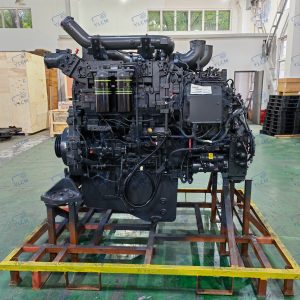
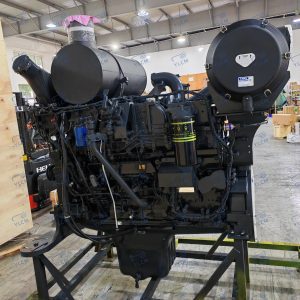
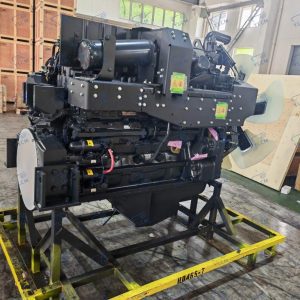
Request photographs of the actual part in stock, not catalog images. A reputable supplier will provide pictures showing the part number marking, overall condition, and any identifying features. This step catches errors before shipment and confirms that “in stock” means physically available rather than drop-shipped from an unknown source.
For critical components, ask about return policies and warranty terms before ordering. Hydraulic pumps and motors should carry at least a 90-day warranty against manufacturing defects. Suppliers unwilling to stand behind their products signal quality concerns that outweigh any price advantage.
If your operation requires parts for multiple Link-Belt models or you anticipate ongoing needs, establishing a relationship with a supplier who maintains inventory depth pays dividends. A supplier who stocks common Link-Belt components can ship immediately rather than waiting for their own procurement cycle to complete.
When Parts Lookup Gets Complicated
Some Link-Belt parts lookup situations require more than catalog research. Machines that have been modified, rebuilt with non-original components, or operated in unusual applications may need custom solutions.
Hydraulic system modifications are common on older Link-Belt excavators. Previous owners may have installed aftermarket quick couplers, added auxiliary circuits, or replaced failed components with available alternatives rather than exact replacements. The current parts configuration may not match any catalog listing.
In these cases, working backward from the installed component provides the identification path. Remove the part, document all markings, measure critical dimensions, and photograph the mounting arrangement. This information allows suppliers to identify the actual component rather than what the catalog says should be there.
For obsolete parts no longer manufactured, the options narrow to used components, custom fabrication, or machine modification to accept a current production alternative. Used parts from salvage operations can be viable for non-critical applications, but hydraulic components from unknown service histories carry risk. Custom fabrication makes sense for structural items and brackets but rarely for precision hydraulic or electrical components.
Common Questions About Link-Belt Parts Sourcing
What information do I need to look up Link-Belt excavator parts accurately?
The serial number is the minimum requirement for accurate parts lookup. Model designation alone is insufficient because production changes within model runs alter component specifications. The serial number plate, typically located on the main frame near the swing bearing, provides the complete identification. For hydraulic components, having the existing part number from the failed component speeds the process significantly, though worn or corroded markings sometimes require dimensional identification instead.
How do I know if an aftermarket part will fit my Link-Belt excavator?
Physical dimensions and specifications must match, not just the part number cross-reference. For hydraulic components, confirm pressure ratings, flow capacity, and control type. For undercarriage parts, verify pitch, link count, and shoe width. Reputable aftermarket suppliers provide specification sheets that allow direct comparison with OEM data. If a supplier cannot provide specifications beyond “fits Link-Belt 210 X3,” the identification confidence is too low for critical components.
Are Link-Belt parts interchangeable with Sumitomo or Case excavators?
Many components share common origins due to manufacturing partnerships, but interchangeability is not universal. Hydraulic pumps, motors, and control valves often cross-reference between Link-Belt and Sumitomo models from the same era. Case excavators share fewer components despite historical connections. Each cross-reference requires verification rather than assumption. The safest approach is confirming that both the part number and specifications match before treating components as interchangeable.
How long should I expect to wait for Link-Belt parts delivery?
Common wear items and filters typically ship within one to three business days from stocked suppliers. Hydraulic components may require five to ten business days if not immediately available. Electrical components, particularly controllers and sensors, sometimes extend to three or four weeks when sourced through OEM channels. Building a relationship with a supplier who maintains Link-Belt inventory reduces lead times for routine orders. If your timeline is critical, share your required delivery date when requesting quotes so suppliers can confirm availability before you commit.
What should I do if I cannot find a part number for my Link-Belt excavator?
Dimensional identification becomes the fallback when part numbers are unavailable or illegible. Measure the component, photograph all markings and mounting features, and provide this information to suppliers who specialize in Link-Belt equipment. Experienced suppliers can often identify components from physical characteristics even without catalog numbers. For hydraulic seals and bearings, industry-standard designations based on dimensions allow sourcing without OEM part numbers. Share your machine model, serial number, and the component’s location on the machine to give suppliers the context needed for accurate identification.
Accurate Link-Belt excavator parts lookup requires patience and systematic verification, but the investment prevents costly ordering errors and extended downtime. If you have a specific part identification challenge or need pricing on Link-Belt components for your fleet, send your serial numbers and part requirements to [email protected] or call +86-21-55800172. We will confirm availability and cross-reference options before you commit to an order.
If you’re interested, check out these related articles:
How to Choose Cat 320 Excavator Parts for Peak Performance
469334 Excavator Part: Function and Application Explained
OEM vs Aftermarket Hitachi Undercarriage Parts: A Deep Dive
Hyundai Excavator Spare Parts: Choose the Best Fit
Choosing Reliable Excavator Parts Suppliers: A China Guide