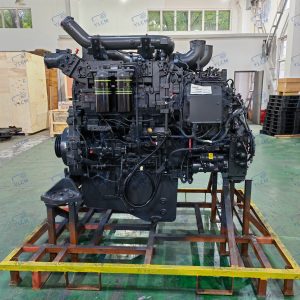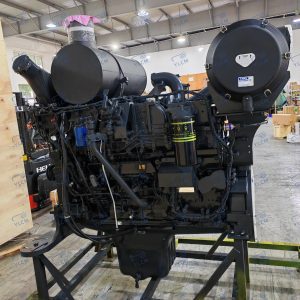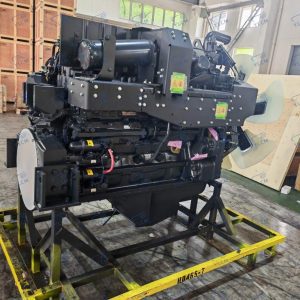

A hydraulic pump is one of the most expensive components to replace on an excavator, and a wrong replacement can push total cost far above the purchase price. The better question for a U.S. buyer is not only which pump costs less, but which option will hold pressure, stay clean, and fit the machine without a rework cycle.
The practical USA excavator hydraulic pump options that save you money usually come from one of four routes: a dealer OEM pump, a matched aftermarket unit, a properly remanufactured pump, or a direct supplier with documented testing. Each can work, and each can fail if the pump is chosen by price alone.
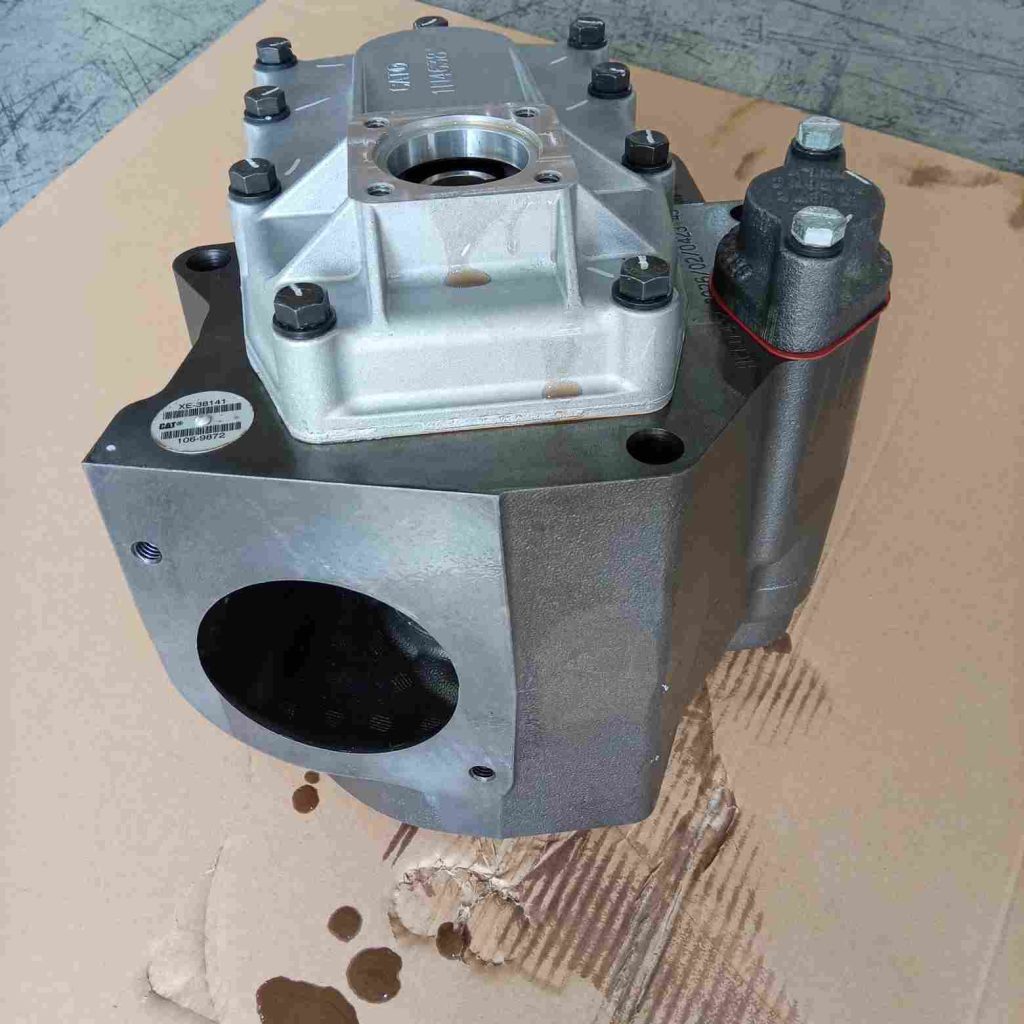
First, Match the Pump to the Machine
The cheapest pump is rarely the one that almost fits. Before comparing quotes, collect the machine model, pump part number, serial number, flow rating, pressure setting, rotation direction, shaft type, mounting style, and control type. Many U.S. suppliers reject orders that arrive with only a photo of the old pump. The photo helps, but the data plate is what confirms interchange.
Flow and pressure matter more than brand. A pump with the right displacement but the wrong control or port orientation can bolt up and still cause heat, noise, or slow cycle times. If the specification is unclear, ask the supplier to cross-reference the old part number instead of promising a universal fit.
For a step-by-step process to confirm pump identity before buying, <Locating an Excavator Hydraulic Pump: A Sourcing Guide> covers the key data points to collect.
USA Sourcing Options That Actually Save Money
A dealer pump is a safe choice from a fit and warranty standpoint, but it is not automatically the lowest total cost. Dealer lead times can be long, and the core price may be high. If the machine is older or approaching a major overhaul, a full OEM replacement may also be more investment than the remaining service life justifies.
A quality aftermarket pump is often a stronger value when the supplier can show the correct displacement, control logic, and test curve. The savings should come from a leaner supply chain, not from missing tests. Ask whether the pump is new, remanufactured, or surplus. The words “will fit” are not the same as a verified part number.
Direct sourcing from a specialized parts supplier can also reduce cost on U.S. orders, especially when the supplier carries multiple pump lines and can compare availability before purchase. The trade-off is that you must verify lead time, warranty, and return terms more carefully because you cannot walk the pump into a local dealer.
If you are comparing local sourcing routes, <Excavator Hydraulic Pumps Near Me: 5 Expert Sourcing Tips> explains the checks that separate dependable pump suppliers from risky ones.
How to Keep the Lower Price From Becoming a Risk
The real savings are in total cost per operating hour. A pump that fails shortly after installation costs more than a higher-priced pump that runs to its expected service interval after you add labor, fluid, filters, and downtime. For that reason, lower price should only be accepted when the pump comes with evidence.
Ask for a documented test report, not a verbal promise. A useful report shows flow, pressure, case drain flow, and temperature at known test conditions in line with a repeatable pump test procedure such as SAE J745 [3]. For remanufactured pumps, the report should also show that rotating elements were inspected and the outlet contamination level was controlled. A cleanliness target aligned with ISO 4406 [2] reduces the chance of introducing abrasive particles into the machine’s hydraulic system.
The supplier’s quality system also matters. A supplier operating under a certified ISO 9001 process [1] is more likely to have repeatable inspection, traceability, and change control than a seller assembling pumps in an unverified workshop. This does not mean every small shop is unsafe, but it does mean the buyer needs a different level of proof.
Need a second quote before you commit?
If you already have a part number or machine serial number, send it to [email protected] with the target flow and pressure. A sourcing engineer can cross-check the pump reference against available new, aftermarket, and remanufactured options and return a comparison before you agree to any purchase.
Common Pitfalls That Turn a Cheap Pump Expensive
Avoid buying by photo alone. A pump can look identical on the outside and still have a different displacement, rotation, or control style. If the part number is missing or unreadable, the next best step is to pull the machine serial number and let the supplier verify from the manufacturer build record.
Do not skip the hydraulic system cleanup after a pump failure. A failed pump can send metal particles into the fluid, valves, and cylinder circuits. Installing a new pump without flushing the system and replacing filters may contaminate the new unit and repeat the failure. Any saving disappears quickly if another component fails right after startup.
Watch for core charges and return clauses on remanufactured units. Some low advertised prices assume the old core is returned in a buildable condition. If the old housing is cracked or the core is lost, the true price changes. Confirm the core policy in writing before comparing quotes.
Finally, be careful with absolute claims. A reputable supplier will describe the pump by part number, test data, and warranty terms rather than promising that one option is always the best or never fails. Those claims are a sign that the seller is replacing engineering proof with sales language.
When a pump replacement is part of a larger repair, <What Really Matters When Sourcing Excavator Parts: A Breakdown of Critical Components> breaks down the checks that matter most before you approve a parts order.
Get a Cost-Cutting Hydraulic Pump Sourcing Review
Spend the time on specification before you spend the money on the pump. At Shanghai Yanli Construction Machinery Co., Ltd., the team works from your part number and machine build data to compare compatible pump options, then confirms test records, lead time, and warranty before order confirmation.
Contact us at [email protected] or call +86-21-55800172. Include the pump part number, machine model and serial number, required flow and pressure, and the destination port or address. Our sourcing team, led by Jim Hu, uses more than 22 years of heavy equipment supply chain experience, including prior work at Komatsu China, to separate real value from cheap replacement risk.
Frequently Asked Questions
What is the most affordable USA excavator hydraulic pump option?
The most affordable option depends on the machine model, pump part number, and service life expectation. Remanufactured and aftermarket pumps often have lower purchase prices, but the safest lower-cost choice is one with a documented test report, confirmed interchange, and warranty rather than the lowest advertised number.
Can an aftermarket pump be used without creating a warranty problem?
Warranty terms vary by machine and supplier. A correctly specified aftermarket pump does not automatically void a machine warranty, but the buyer should keep the specification, test report, and purchase documentation in case a failure needs to be reviewed. The key is verified interchange, not the brand label alone.
What should I send to get an accurate pump quote?
Send the pump part number, machine model, serial number, required flow and pressure, rotation direction, shaft style, mounting pattern, and a clear photo of the old pump if available. This allows the supplier to cross-reference rather than guess.
Is it cheaper to import a pump than to buy from a U.S. dealer?
It can be, particularly for older machines or when the local dealer quote includes a long lead time and full OEM price. The saving is only acceptable when the importer provides test data, known lead time, clear warranty terms, and a return policy. Without those, the lower price is an added risk.
How do I avoid contaminating a new pump after installation?
Flush or clean the hydraulic system according to the machine manufacturer’s service procedure, replace filters, and use clean hydraulic fluid. After installation, run the pump at low load while watching pressure, flow, and case drain readings before returning the machine to full production.
How long should a replacement pump last?
Service life depends on machine duty cycle, fluid cleanliness, operating temperature, and maintenance. A properly matched pump running in a clean, well-maintained system can reach its expected design life. One installed into a contaminated system after a previous failure may fail early regardless of the pump’s original quality.
References
[1] ISO, ISO 9001:2015, Quality management systems — Requirements, International Organization for Standardization.
[2] ISO, ISO 4406:2021, Hydraulic fluid power — Fluids — Method for coding the level of contamination by solid particles, International Organization for Standardization.
[3] SAE International, SAE J745, Hydraulic Power Pump Test Procedure.
If you’re interested, check out these related articles:
How to Choose the Right Hydraulic Pump Coupling for Your System
Sourcing John Deere 120C Excavator Parts: A Practical Guide