
The John Deere 120C excavator has been out of production for years, and that changes everything about how parts sourcing works. If your machine is still earning its keep on a job site or in a fleet rotation, you have probably already hit the wall: the local dealer has a long lead time, the price is hard to justify against the machine’s book value, or the part is simply no longer in the dealer system. I spent over two decades inside the OEM parts supply chain before founding Shanghai Yanli, and I have seen the same pattern repeat across markets in Central Asia, Africa, and Southeast Asia. The operators and fleet managers who keep older machines running are not relying on a single source. They use a multi-channel approach that combines dealer support, aftermarket manufacturers, and international suppliers in a practical way. This article walks through that approach for the John Deere 120C — what parts you can realistically source, where they come from, and how to avoid the mistakes that cost time and money.
What Makes Sourcing John Deere 120C Parts Different from Newer Models
The 120C sits in a category that creates specific sourcing challenges. When a machine is in current production, the dealer network maintains inventory depth and the factory continues to supply service parts through established channels. The 120C is past that window. Dealer stock for model-specific components becomes thin, and regional availability varies considerably from one market to the next.
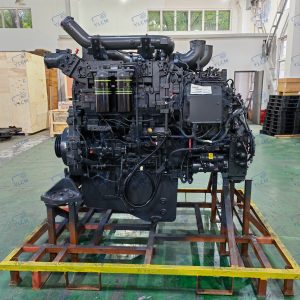
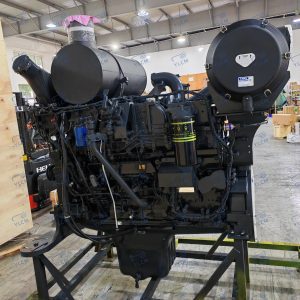
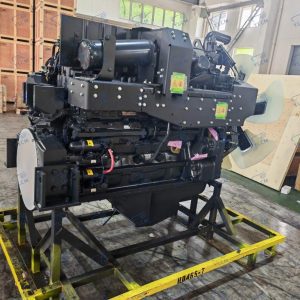
The parts that tend to cause the most sourcing headaches fall into three groups. Undercarriage components — track chains, rollers, idlers, and sprockets — wear predictably, but exact-fit replacements for the 120C are not always on the shelf at a dealership in every region. Hydraulic components, particularly pump assemblies and control valves, carry high OEM price tags that can make the repair economics difficult on an older machine. Engine parts for the John Deere PowerTech engine in the 120C overlap with other Deere models, which helps, but the specific configuration matters. A part number that works for a 120C may not interchange with the same engine variant in a different machine series.

What makes this manageable is that the 120C shares component DNA with other John Deere excavators of the same era, and the aftermarket has had years to develop compatible parts for this generation of equipment. The sourcing strategy that works best does not start with a single supplier. It starts with confirming exactly what you need.
Where 120C Parts Actually Come from in a Multi-Source Strategy
In practice, I see four sourcing channels that fleet managers and independent operators use for the 120C, each with a distinct role.
The dealer channel still has a place, especially for parts where the aftermarket has not yet developed a reliable alternative. Certain engine sensors, ECU components, and proprietary electronic modules are dealer-only items in most cases. I recommend starting with the dealer for those categories because the compatibility risk of an unverified aftermarket electronic part can outweigh the cost saving.
Independent parts distributors who stock both OEM surplus and aftermarket brands form the second channel. These distributors often buy dealer closeout inventory or source directly from aftermarket manufacturers in China, Japan, and Korea. The advantage is faster turnaround than ordering from overseas yourself, and a reputable distributor will have already done some vetting of the manufacturers they buy from.
The third channel is direct sourcing from international suppliers, particularly manufacturers and export companies in China. This is the channel I know best from my own work. Over the past several years, the quality of aftermarket parts coming from established Chinese manufacturers has improved substantially. These are not counterfeit parts. They are components manufactured to fit the John Deere 120C specification, produced by factories that also supply OEM assembly lines or that specialize in replacement parts for specific machine families.
The fourth channel is salvage and dismantled machines. For body panels, cab components, and structural parts that do not wear in the same way as running gear, a dismantled 120C can be the most practical source.
| Sourcing Channel | Best For | Watch Out For |
|---|---|---|
| John Deere dealer | Electronics, sensors, proprietary modules | Price premiums, lead times on backordered items |
| Independent distributors | Common wear parts, hydraulic components | Verify the manufacturer behind the distributor’s brand |
| International suppliers | Undercarriage, buckets, pins, bushings, seal kits | Shipping logistics, import duties, payment terms |
| Salvage and dismantled | Cab parts, structural components, body panels | Condition verification, no warranty |
Aftermarket and OEM Parts for the 120C: How Experience Guides the Choice
The OEM versus aftermarket conversation usually gets framed as a simple trade-off between quality and cost, but on a machine like the 120C, the real decision is about fit and availability. I have worked with mining companies that run OEM-only policies on undercarriage for their primary production excavators, and I have worked with contractors who run entirely on aftermarket parts for machines of this vintage. Both approaches can work, provided you match the part category to the right source.
Undercarriage parts for the 120C are now widely available from aftermarket manufacturers in China and Korea. Track chains, rollers, idlers, and sprockets are commodity wear items with well-understood metallurgy requirements. The aftermarket options from established manufacturers typically use the same steel grades and heat treatment processes specified for the OEM parts. I have seen aftermarket undercarriage sets last within 10 to 15 percent of OEM life in normal digging conditions, at roughly half the cost. For a machine that is not running 2,000 hours a year, that is a compelling equation.
Hydraulic components require more careful selection. A hydraulic pump or final drive is a precision assembly. The aftermarket has capable manufacturers for these components, but the quality range is wider than it is for track parts. When I evaluate a hydraulic component supplier, I want to know which foundry casts their housings, where they source their bearings, and whether they have a test bench that can produce a performance curve before the part ships. A supplier who cannot answer those questions is a risk.
Engine parts for the John Deere PowerTech engine used in the 120C represent a middle ground. Piston kits, liners, gaskets, and filters are available from established aftermarket engine component manufacturers, many of whom supply the same parts to the OEM. For rotating assemblies, crankshafts, and fuel system components, I lean toward OEM or a known aftermarket specialist with documented engine program experience.
If your program involves the hydraulic pump or swing motor for the 120C, it is worth confirming the exact part number and serial number break with your supplier before committing. These assemblies changed mid-production on some Deere excavator series, and a mismatch can set a project back by weeks. Reach out at [email protected] with your machine details and we can help verify compatibility before you order.
Ordering and Shipping 120C Parts from International Suppliers
This is the part of the process where practical experience makes the difference between a smooth transaction and an expensive delay. Most sourcing problems I have seen over the years are not caused by bad parts. They are caused by unclear communication and shipping surprises.
Before you place an order with any supplier, confirm these four things. First, verify the part number against your machine serial number range. John Deere uses serial number breaks to distinguish production changes, and a part that fits a late-production 120C may not fit an early unit. Second, ask for dimensional confirmation on any part where fit is critical — particularly pins, bushings, and hydraulic fittings. A reputable supplier will have measurement data or can produce it on request. Third, confirm the shipping terms and Incoterms explicitly. An FOB price from a Chinese supplier does not include freight, insurance, or import duties, and those costs can add 15 to 25 percent to the landed total depending on the destination country. Fourth, request photos of the actual parts before shipment. This step catches picking errors and gives you a record if something goes wrong.
Freight options vary by part size and urgency. Small parts like seal kits, sensors, and filters ship cost-effectively by air courier and arrive in most markets within five to seven business days. Undercarriage sets, bucket assemblies, and heavy castings move by sea freight, and you should plan for four to six weeks of transit time plus customs clearance. If you need a part urgently and the supplier has it in stock, air freight on a palletized shipment can bridge the gap, but the cost per kilogram is substantially higher. I advise customers to build a small buffer stock of the wear parts they replace most often — track pad bolts, bucket teeth, hydraulic filters — so that routine maintenance does not create an emergency sourcing situation.
Getting Parts That Fit the First Time
A recurring frustration I hear from operators sourcing 120C parts internationally is receiving a part that looks right but does not fit. This usually traces back to one of two root causes: the part number was assumed based on model alone, or the supplier shipped a part that is technically compatible but dimensionally off by a small margin.
The 120C was built in different configurations for different markets, and some components changed during the production run. The safest approach is to provide your supplier with the machine serial number, the part number if you have it from a previous order or a parts manual, and — for fit-critical components — a measurement or photograph of the existing part. This may feel like overkill, but it closes the loop on the most common failure points.
For undercarriage components, the key dimensions are track pitch, pin diameter, and bushing diameter. For hydraulic cylinders, the critical measurements are the pin-to-pin length, rod diameter, and bore diameter. For pins and bushings, even a fraction of a millimeter matters. I recommend asking the supplier to confirm these measurements in writing before shipping, especially on a first order with a new supplier. If they resist or cannot produce the data, that tells you something useful about their operation.
When you need John Deere 120C excavator parts and the dealer lead time or pricing does not work for your situation, the alternative is not a compromise on quality. It is a different sourcing approach that puts you in contact with the manufacturers who build these parts for the global aftermarket. The difference between a good experience and a bad one usually comes down to working with a supplier who verifies part numbers, confirms dimensions, and ships with transparent terms. Send your part number and quantity to [email protected] or call +86-21-55800172. We work with over 20 OEM and aftermarket manufacturers across China, Japan, Russia, and the USA and can confirm availability and compatibility before you commit to an order.
Common Questions When Sourcing John Deere 120C Excavator Parts
How do I find the correct part number for my John Deere 120C?
The most reliable method is to use your machine serial number with the official John Deere parts catalog, accessible through the John Deere Parts website or a dealer portal. Enter the serial number and navigate the exploded diagrams to locate your part. If you do not have access to the online catalog, the paper parts manual for your specific serial number range is the next best option. I have also found that clear photographs of the existing part, ideally with a ruler or measuring tape in the frame, help suppliers cross-reference part numbers when the original documentation is unavailable.
Are aftermarket undercarriage parts safe to use on a 120C that works in hard digging conditions?
In rock and hard digging, undercarriage wear accelerates regardless of whether you use OEM or aftermarket parts. The key variable is the metallurgy and heat treatment of the track components, not the brand on the box. Established aftermarket manufacturers serving the global construction market use boron steel for track chains and induction-hardened pins and bushings that meet or approximate the OEM specification. I recommend asking the supplier for the material specification and hardness range for the track components. If they cannot provide that, find a supplier who can. The quality difference within the aftermarket is real. The better manufacturers stand behind their product data.
What if I need a part that is no longer available from John Deere at all?
This is a common scenario for machines of the 120C’s age, particularly for trim pieces, interior cab components, and certain hydraulic hard lines. The most practical path is to reach out to aftermarket manufacturers and parts exporters who specialize in older machine models. Some components can be cross-referenced to other Deere models that share the same part. For hydraulic hard lines and structural brackets that are no longer available anywhere, a local hydraulic shop or fabrication shop can often reproduce the part from the original as a template. Salvage yards and dismantlers are also worth checking — a dismantled 120C can supply parts that are otherwise unobtainable.
How do I know if an international supplier is reliable before placing an order?
Start with a small trial order of a non-critical part before committing to a large purchase. Ask for references from customers in your region. Check whether the supplier can produce dimensional data, material specifications, and test reports for the parts they sell. A supplier who communicates clearly in writing, answers technical questions directly, and provides shipping documentation promptly is more likely to deliver a smooth transaction than one who only quotes prices. I also suggest confirming payment terms and refund or replacement policies in writing before you send money. Share your specific requirements with a supplier who has experience in your machine category, and confirm they understand the 120C configuration before proceeding.
If you’re interested, check out these related articles:
How to Buy Doosan Excavator Parts Online: A Smart Procurement Guide
How to Choose the Right Hydraulic Pump Coupling for Your System
469334 Excavator Part: Function and Application Explained