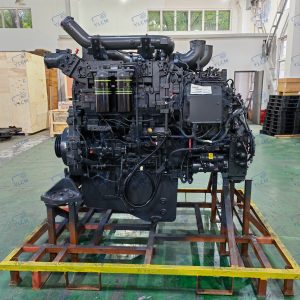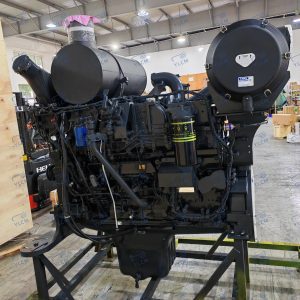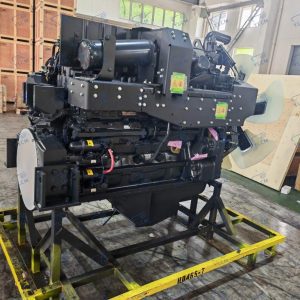

Bobcat 331 excavator parts selection trips up even experienced fleet managers. Ordering the wrong track roller or an aftermarket seal kit that doesn’t match OEM tolerances can sideline a machine for weeks. After 22 years in heavy equipment supply chains, I’ve seen how a disciplined sourcing approach cuts downtime and total cost. These five practical tips cover compatibility checks, supplier evaluation, and the hidden logistics that make or break a project timeline.
1. Confirm Exact Part Compatibility Before Sourcing
Many Bobcat 331 components look identical but have subtle dimensional differences across production years. Before placing an order, cross‑reference the serial number break in the parts manual and verify measurements of critical wear parts like track rollers and bucket pins. I once received an emergency call from a contractor in Ghana who had ordered a set of idlers that fit the earlier 331 series but not the 331G he actually operated. The 3‑week re‑order cost him a dry‑season contract.
| Part Name | OEM Part Number Example | Common Aftermarket Alternative | Notes |
|---|---|---|---|
| Track Roller | 6660634 | TF-331-TR-01 | Confirm roller diameter |
| Idler Assembly | 6659785 | ID-331-G | Check offset between flanges |
| Bucket Tooth | 6701369 | BT-331-HD | Verify pin and retainer hole |
| Hydraulic Seal Kit | 6677890 | SK-331-HY | Confirm seal material spec |
Even with an image, request the supplier’s inspection report for critical dimensions before shipping.

2. Verify Quality Standards Across Suppliers
Not all aftermarket parts are equal. The material grade, heat treatment, and surface finish determine whether a component lasts 500 hours or 2,000. I always ask for a mill certificate for structural steel parts and a hardness test report for wear‑resistant castings. A few years ago we switched from a low‑cost Chinese foundry to a mid‑range manufacturer that used ISO 9001‑controlled processes; the bucket teeth life doubled for a Zambian mining customer with the same price point.
A supplier that cannot produce quality documentation for high‑wear items is a red flag. For hydraulic components, confirm seal material compatibility with your oil type. The $5 saved on an NBR seal instead of a polyurethane one can lead to a blown cylinder.
3. Compare OEM and Aftermarket Supply Channels
OEM parts guarantee spec‑exact fit and come with warranty backing from Bobcat. However, aftermarket parts often deliver 80‑90% of the life at 50‑60% of the cost when you choose a manufacturer that uses equivalent materials and has clean reverse‑engineering records. For a mini excavator doing light‑duty trenching, aftermarket undercarriage and bucket teeth usually make sense. For engine internals or the hydraulic main pump, I still recommend OEM or a premium‑tier aftermarket supplier with traceable test reports.
If your program involves frequent work in abrasive sand, it is worth confirming whether aftermarket seals meet extended‑life service requirements before committing—reach out at [email protected].
4. Assess Supplier Reliability and Lead Times
A competitive price means little if the parts arrive after your machine has already missed the job deadline. I once sourced swing bearings for a Kazakhstan contractor; the supplier’s claimed 15‑day lead turned into 45 days because they didn’t account for ocean freight consolidation. Now we insist on a written lead‑time breakdown that includes raw material procurement, production, testing, and shipping. For air‑freightable items like seal kits, we offer 5–7 day delivery. For heavy undercarriage parts, plan on 30–45 days sea freight.
Ask for a realistic shipping schedule and verify the supplier’s export documentation history. A professional parts partner will provide a packing list, commercial invoice, and bill of lading without hesitation.
5. Build a Long-Term Parts Procurement Strategy
Transactional buying works for one‑off needs, but if you run a fleet of Bobcat 331 excavators, stocking a small inventory of high‑wear items pays for itself through reduced downtime and consolidated shipping. We work with mining contractors in Africa who keep basic kits of track rollers, sprockets, and seal sets, reordering quarterly based on hour‑meter readings. That predictability lets us negotiate better factory pricing and combine shipments, lowering total landed cost.
Your Bobcat 331 Parts Supply Chain Partner
Sourcing parts across continents doesn’t have to feel like a gamble. With direct partnerships covering more than 20 manufacturers in China, Japan, Russia, and the USA, Shanghai Yanli Construction Machinery Co., Ltd. delivers verified Bobcat 331 components with transparent lead times. For a no‑obligation quote or to discuss a tailored supply plan, email [email protected] or call +86-21-55800172.
Common Questions About Sourcing Bobcat 331 Mini Excavator Parts
How do I find the correct part number for my Bobcat 331?
Start with the machine’s serial number plate and the Bobcat parts manual for your exact model variant. If the manual is missing, many online equipment databases let you search by serial number prefix. I always recommend taking a clear photo of the existing part and any cast‑in numbers and sharing it with your supplier for a pre‑shipment verification.
Is it safe to use aftermarket parts on a Bobcat 331?
For most wear items—track rollers, idlers, bucket teeth, and seals—a quality aftermarket source performs similarly to OEM when the material grade matches. Critical components like the main hydraulic pump or the final drive motor deserve more caution; if the aftermarket option isn’t backed by a test report, stick with OEM.
What are the most commonly replaced Bobcat 331 parts?
Undercarriage components top the list: track rollers, idlers, sprockets, and track chains. Next come hydraulic seal kits, bucket teeth and adapters, and engine service kits. In dusty environments, air and fuel filters need frequent replacement.
How long does typical shipping take for overseas Bobcat 331 parts?
Air freight can deliver undercarriage components to major European or North American airports in 5–7 working days. Ocean freight usually takes 30–45 days from port to port, plus inland trucking. For bulk orders, consolidating shipments into one container lowers per‑unit cost but requires planning well ahead.
What should I look for in a long‑term supply partner?
A partner who provides inspection reports, consistent lead times, and a dedicated contact person reduces the daily hassle. Look for a supplier who asks about your operating conditions before quoting, because the right track roller choice differs between a sandy site in Saudi Arabia and a rocky quarry in Nigeria. If you’re ready to simplify your Bobcat 331 parts procurement, share your part numbers and working conditions with us at [email protected].
If you’re interested, check out these related articles:
Shanghai Yanli Participated in Mining & Construction Vietnam 2026 in Hanoi
How to Buy Doosan Excavator Parts Online: A Smart Procurement Guide
OEM vs Aftermarket Hitachi Undercarriage Parts: A Deep Dive
Choosing Reliable Excavator Parts Suppliers: A China Guide
How to Choose Cat 320 Excavator Parts for Peak Performance