
A Sany excavator parked beside a haul road because the wrong replacement part shipped is a sourcing failure, not a machine failure. For Sany excavator parts, most delays come from two missed steps: confirming the exact machine specification before quoting and verifying the supplier before payment. Buyers who treat those steps as administrative chores end up with parts that look right and fail early. We take a different approach: record the full model, serial number, and component details first, then match the part through a supplier that can confirm fitment. That sequencing, not price shopping alone, keeps repair windows short and the fleet working.
Which Records Should You Lock Before Quoting Sany Excavator Parts?
Most Sany excavator and bulldozer parts have an engineering break point, and the model code alone is not enough. A Sany excavator sold in one market can carry a different hydraulic pump or emission package than the same model sold in another market. We ask for the full machine serial number, engine serial, pump model, and track details before we quote. That is not bureaucracy. It is the fastest way to remove the wrong-part failures I have seen across Central Asia and Africa, where a part number printed in a manual did not match the machine standing in the yard. The same rule applies to bulldozer undercarriage quotes: a track shoe width that works on one serial range may not fit the next. If the serial plate is damaged, photos of the old part and the machine configuration are the next best reference.

How Do You Match Sany Excavator Parts to the Original Specification?
Specification matching starts with the component that takes the most load in your ground. For many fleets, that is the undercarriage parts: track chain pitch, shoe width, idler diameter, and sprocket tooth count. These are not interchangeable across every Sany model, and an incorrect chain can pull the track off. Hydraulic parts are equally strict: a main pump with the same bolt pattern can have a different displacement, so pressure behavior changes even when the part mounts. Boom and bucket cylinders carry seal kits matched by rod diameter and stroke, not by model name alone. The component that wears fastest in your operating conditions deserves the strictest spec review. If your fleet includes both excavators and bulldozers, confirm the pump model and track pitch before finalizing the order; send your machine list to sales@sh-yshuo.com and we will check fitment.
Should You Choose OEM, Aftermarket, or Rebuilt Sany Excavator Parts?
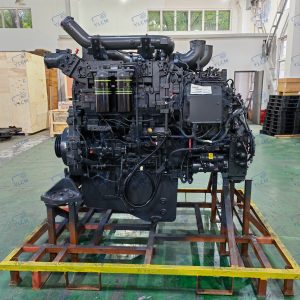
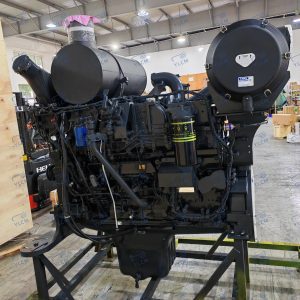
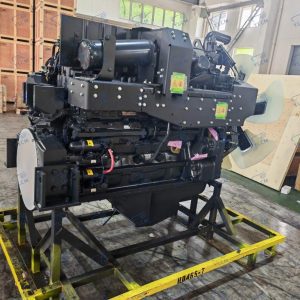
OEM Sany parts simplify the decision but cost more and can sit behind a dealer lead time. Aftermarket parts work when the supplier holds the original drawing and verifies material, heat treatment, and finished dimensions. Rebuilt components make sense for hydraulic pumps and final drives when the failure is limited to seals, bearings, or plates. engine components follow a separate rule: filters, belts, pulleys, and turbochargers should be matched to the engine serial number and emission version, not the chassis model. The tradeoff changes by position. A track roller can be aftermarket with low risk if the supplier matches the OEM dimension and surface hardness. A main hydraulic pump is different; we prefer a new or factory-rebuilt unit unless the core can be inspected first.
| Choice | Best fit | Main risk |
|---|---|---|
| OEM Sany parts | New machines, warranty jobs, low quantity | Higher cost and longer dealer lead time |
| Aftermarket parts | Wear parts and structural items | Fitment and material variation |
| Rebuilt components | Hydraulic pumps and final drives | Core condition and warranty depth |
| Used as-is | Emergency parts and obsolete models | Unknown remaining service life |
How Do You Verify a Supplier for Construction Machinery Parts?
Sany excavators and bulldozers run in abrasive conditions across Central Asia, Russia, Africa, and Southeast Asia, so supplier claims need to be checked before payment. We source from more than 20 OEM and aftermarket manufacturers across China, Japan, Russia, and the USA, and that network exists because no single factory holds every Sany part. Ask for the production standard, material grade, and finished dimensions, not a catalog photo. For hydraulic components, the pressure test record and component source matter more than the outer casting. The tag on the pump body, the rotation arrow, and the port positions all need to match the machine, because a hydraulic pump that builds too much flow can damage downstream valves and cylinders even when the bolt holes line up. We check those details before shipment, and we reject parts that cannot pass a bench test. For structural components, welding inspection and plate hardness tell you whether a bucket edge or arm will survive. A part that fits the drawing but fails in the field is still a wrong part. The checklist in Choosing Reliable Excavator Parts Suppliers: A China Guide covers a repeatable vetting process for buyers who want more than a supplier slogan.
What Should You Confirm Before Ordering Sany Excavator Parts?
Mismatched Sany excavator parts create downtime that no price discount recovers. We keep the final step direct: send the part numbers you have, the model and serial number, the quantities, and the required delivery date, and we confirm fitment before shipment. If the part number is missing, we can work back from the machine details and photos. That process removes the guesswork that turns urgent orders into return shipments. Contact Shanghai Yanli at sales@sh-yshuo.com or +86-21-55800172. The goal is one correct shipment, not a cycle of claims.
Which Questions Do Buyers Ask About Sany Excavator Parts?
Does a Sany excavator part always interchange with a Sany bulldozer part?
No. Even when the component looks the same, Sany can use different part numbers across machine families and production years. A hydraulic pump may share a mounting face but carry a different displacement or control setting. We confirm interchange only against the full model and serial records. If you are comparing a Sany excavator pump to a Sany bulldozer pump, check the pump tag, rotation, and port positions before ordering. That is the only way to avoid a fit that mounts but does not perform.
How do I know whether an aftermarket Sany excavator part will fit?
A common mistake is assuming that matching outside dimensions is enough. Fitment is also about material grade, heat treatment, and internal clearances. An aftermarket track roller can measure correctly and still fail early if the shaft hardness is low. Ask the supplier to confirm the dimensional drawing, material specification, and hardness range against the original part. If those records are not available, treat the lower price as the risk it is.
When should I rebuild a Sany excavator component instead of replacing it?
It depends on how far the failure progressed and which component you are repairing. If a final drive lost oil but was stopped quickly, a seal and bearing rebuild can be reliable. If the unit ran dry and the gears show scoring, replacement is usually less expensive than repeated labor. Hydraulic pumps follow the same logic: rebuild when wear is limited to seals and sliding clearances; replace when the barrel and pistons are damaged. We ask for failure photos and hour meter readings before recommending a path.
What is the fastest way to get a quote for Sany construction machinery parts?
In requests we handle, the fastest requests are consolidated: one email with the part numbers, machine model, serial number, quantities, and required delivery date. That lets us check stock and lead time in one pass. When the part number is missing, we ask for photos of the tag or the component location so we can identify it. Send those details to sales@sh-yshuo.com and we will confirm price, availability, and delivery timing.
If you’re interested, check out these related articles:
Safe Shipping Excavator Parts: Protecting Your Heavy Machinery Investment
Excavator Implements: Types, Uses, and Sourcing Tips
Link-Belt Excavator Parts Lookup: Your 2026 Sourcing Guide
Sourcing John Deere 120C Excavator Parts: A Practical Guide
Finding Quality 220 Excavator Parts: A Sourcing Strategy