
Every maintenance manager who runs Hitachi excavators eventually weighs the Hitachi excavator spare parts genuine vs aftermarket equation. The sticker price gap is obvious; genuine parts can cost 30 to 50 percent more. But focusing only on price ignores the deeper supply chain factors that determine actual value. With over two decades in heavy equipment parts procurement, I’ve seen that the real question is not whether aftermarket parts can perform; it’s whether the supplier behind them has the right sourcing network and quality controls. This article breaks down what matters beyond the price tag.
What Really Distinguishes OEM Hitachi Parts from Aftermarket Options?
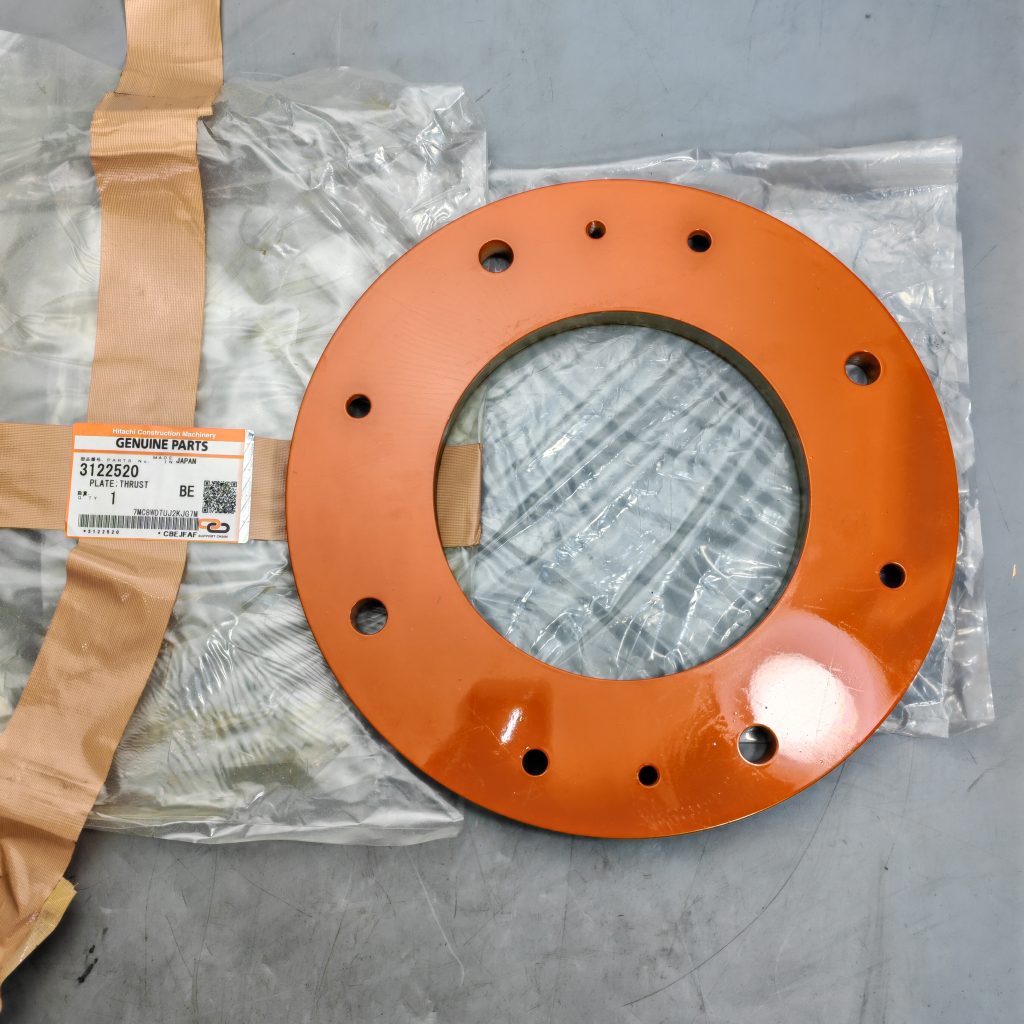
OEM parts, also called genuine Hitachi parts, are manufactured by Hitachi Construction Machinery or its contracted suppliers to the exact material specifications, heat treatments, and dimensional tolerances of the original design. They come with full traceability, a manufacturer warranty, and guaranteed fitment. Aftermarket parts, on the other hand, are produced by independent manufacturers. These can range from high‑quality components made in ISO 9001‑certified factories that also supply major OEMs, to low‑cost imitations without any quality control.
In my experience, the most reliable aftermarket Hitachi parts come from factories that already produce components for other well‑known construction equipment brands. These manufacturers understand the required metallurgy and precision. They have the tooling, the testing benches, and the process documentation. The real differentiator is not the “aftermarket” label; it is whether the supplier can show you who made the part and how.
The table below summarizes the three typical tiers of Hitachi excavator spare parts you will encounter in the market.
| Part Tier | Price vs OEM | Typical Warranty | Quality Indicators | Best Suited For |
|---|---|---|---|---|
| Genuine Hitachi (OEM) | 100% (baseline) | 6‑12 months | Manufacturer traceability, full packaging, datasheet | Critical components, machines under warranty |
| Premium Aftermarket | 50‑70% of OEM | 3‑6 months | ISO‑certified factory, material certificates, sample testing | Wear parts, hydraulic seals, undercarriage |
| Economy Aftermarket | 20‑40% of OEM | Often none | No certification, variable dimensions | Non‑safety, low‑load applications if tolerance risks accepted |
How Does the Performance and Reliability of Aftermarket Parts Compare?
When you replace a Hitachi excavator bucket tooth, track link, or hydraulic hose with a premium aftermarket option, the performance difference is often negligible in general construction applications. The key is that these parts operate in a well‑defined load envelope, and a reputable aftermarket manufacturer can replicate the necessary material grades and heat treatment. I’ve seen aftermarket undercarriage components last within 10‑15% of OEM lifespan while costing half as much. That math works for many fleet budgets.
However, for components like fuel injectors, turbochargers, or electronic control modules—where precision, balance, and software compatibility are tight—the risk of an aftermarket part failing increases. I won’t recommend aftermarket turbochargers or ECU units unless the supplier can provide a detailed performance test report and a list of existing fleet references. Even then, genuine parts carry less risk for these high‑consequence failures.
The decision also depends on your operating environment. A mine in Central Asia running Hitachi EX‑3600 excavators 24/7 puts far more stress on parts than a construction contractor using a ZX200 for eight hours a day. The higher the utilization and the harsher the conditions, the more the performance margin of a genuine part becomes valuable.
When Should You Choose Genuine Hitachi Components Over Aftermarket?
Aftermarket parts make sense for most non‑critical wear items, but there are situations where genuine is the only responsible choice.
First, if your Hitachi excavator is still under the manufacturer’s warranty, using non‑genuine parts for critical assemblies can void coverage. Always check the warranty terms before switching.
Second, for safety‑related components—boom cylinder seals, swing motor drives, brake systems—the cost of a failure is far higher than the part cost. I always recommend staying with OEM for these.
Third, when you operate in a remote location where a sudden part failure could mean weeks of downtime waiting for a replacement. Genuine parts have predictable lifespans, so your maintenance schedule becomes more reliable.
Fourth, if an aftermarket supplier cannot provide a material test report or a reference from another fleet of similar size, that part is a guess. In those cases, even if the part is in stock and cheap, I would not install it. The true cost of an unknown part is the cost of the machine sitting idle plus the repair labor plus the new part—that risk rarely justifies the savings.
If your Hitachi fleet includes models with serial number breaks that make part interchange tricky, it is worth confirming compatibility before ordering. Reach out with your machine details and we’ll verify fitment across our supply network—[email protected].
How Can You Identify a Trustworthy Aftermarket Parts Supplier?
This is where our supply chain experience makes the biggest difference. A trustworthy aftermarket supplier is not just a trading company with a catalog; it is an organization that has direct, ongoing relationships with the factories that produce the parts. For a deeper look at how a professional aftermarket factory manages quality, see our guide on how aftermarket excavator parts factories operate.
When I evaluate a source, I look for five things:
- Factory transparency. A reliable supplier can tell you the exact factory name and location for each part number. If they cannot, they are likely drop‑shipping from unknown sources.
- Quality system documentation. The factory should hold an ISO 9001 certification at minimum. The supplier should be able to provide material certificates (3.1B) for castings, heat treatment records, and dimensional inspection reports for machined parts.
- Sample order policy. A supplier confident in its quality will let you order a small quantity first for inspection before committing to a larger shipment.
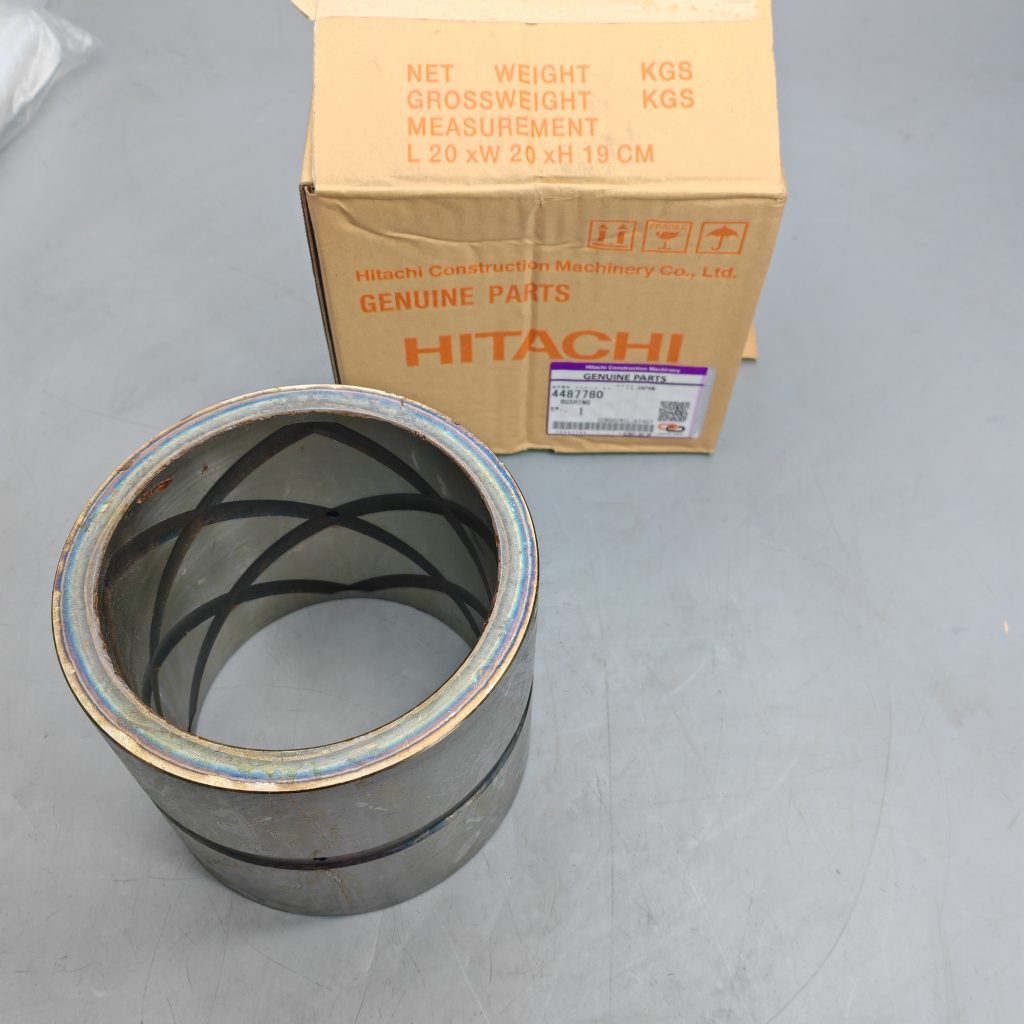
- Consistent packaging and marking. Parts should arrive with clear part numbers, batch codes, and the manufacturer’s mark. Generic brown‑box parts with no identification are a warning sign.
- After‑sales support. A good supplier will work with you if a part fails prematurely—not just replace the part, but help you analyze why it failed.
We apply these principles daily at Shanghai Yanli. With direct cooperation from over 20 OEM and aftermarket manufacturers across China, Japan, Russia, and the USA, we can trace every component back to its production floor. That supply chain visibility is what turns aftermarket parts from a gamble into a procurement strategy.
If your current sourcing process for Hitachi excavator parts does not include these verification steps, you are probably leaving money on the table—or accepting risks you don’t see. A quick call or email to a supplier who can answer these questions will immediately reveal whether you are dealing with a professional or a middleman.
How Do You Calculate the Total Cost Difference Over Time?
Price per part is the most visible number, but it is the wrong one to use alone. The smarter metric is total cost of ownership (TCO) over the component’s installation cycle. If you’re sourcing from multiple locations, our guide on choosing reliable excavator parts suppliers in China covers additional due diligence steps.
The formula is simple: TCO = (Part Price + Installation Labor + Downtime Cost) ÷ Expected Life in Machine Hours.
Consider an aftermarket track idler for a Hitachi ZX350 priced at $600, compared to a genuine idler at $1,200. If the aftermarket idler delivers 4,500 machine hours and the genuine one delivers 5,500 hours, and your downtime and installation cost is $200, the genuine idler’s TCO per hour is ($1,200+$200)/5,500 = $0.25, while the aftermarket is ($600+$200)/4,500 = $0.18. The aftermarket saves 28% per hour. However, if the aftermarket idler fails early at 3,000 hours due to a bearing defect, the TCO jumps to $0.27—worse than genuine.
The takeaway: when you have a reliable aftermarket supplier with quality controls, many wear parts will deliver lower TCO. For components where early failure causes massive downtime—swing bearings, final drives, main hydraulic pumps—the genuine part’s longer guaranteed life often makes it cheaper in the long run.
That calculation changes by machine model, application, and supplier. If you need to compare specific part numbers for your Hitachi fleet, share your requirements and we’ll provide a side‑by‑side cost analysis based on real supply data, not catalog prices.
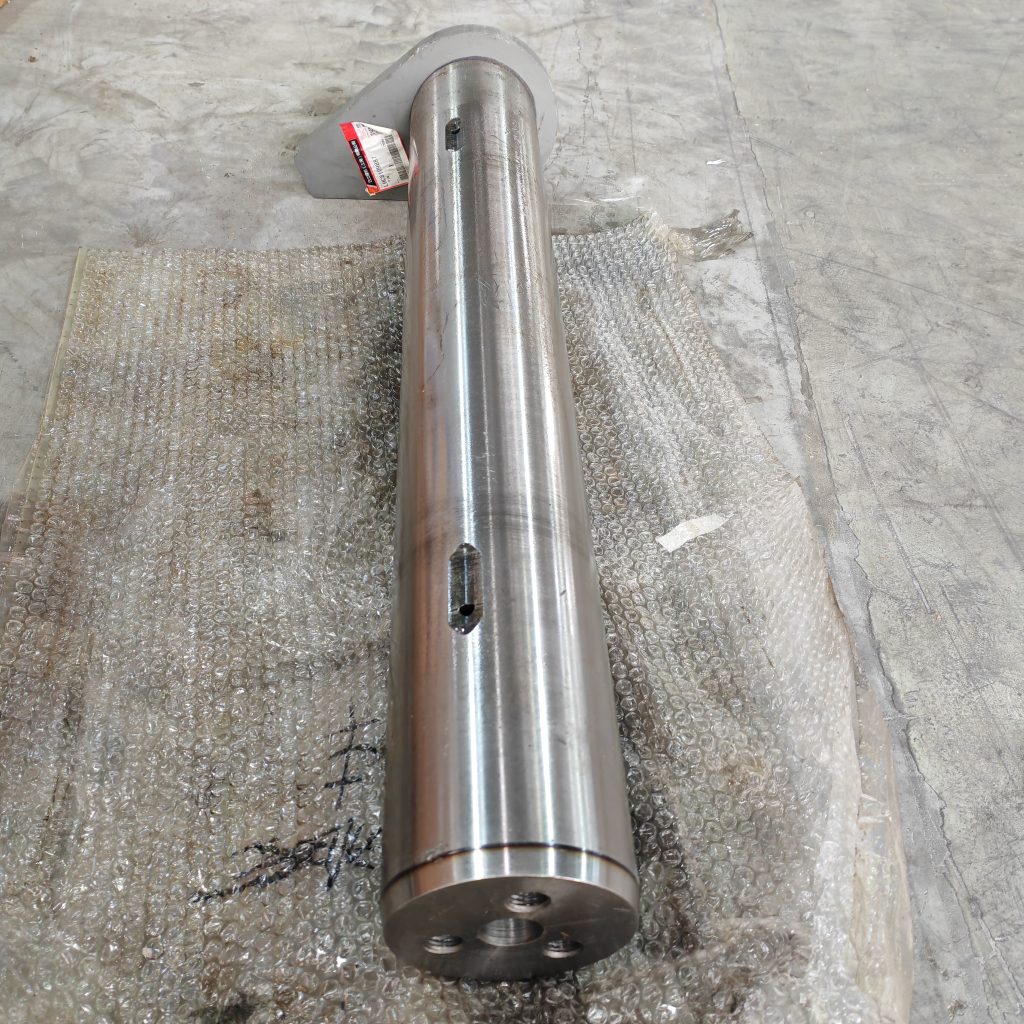
If sourcing reliable aftermarket Hitachi excavator parts feels like a constant balancing act between cost and quality, you are not alone. The right supplier can turn that balance into a consistent advantage. Whether you need a routine undercarriage component or a hard‑to‑find hydraulic pump, we can provide transparent pricing, full traceability, and the factory relationships that take the guesswork out of aftermarket purchasing. Send your part numbers and expected quantities to [email protected] or reach our team at +86-21-55800172 to start a conversation. There is no commitment—just a clear path to lower parts costs with less risk.
Questions Buyers Ask About Hitachi Excavator Parts
Are aftermarket Hitachi parts compatible with all excavator models?
Not all aftermarket parts are universal. While many common components like bucket teeth, track shoes, and filters fit across multiple Hitachi models with the same part number, some hydraulic and engine parts have subtle variations by serial number range. A quality aftermarket supplier will ask for your machine’s full model and serial number to verify compatibility before shipping. Never assume a part listed under the same OEM part number will fit every variant without checking the manufacturer’s cross‑reference.
Will using aftermarket parts void my machine warranty?
In most markets, using aftermarket parts for non‑critical components does not automatically void the entire machine warranty. However, if an aftermarket part directly causes a failure—say, an aftermarket hydraulic hose bursts and damages the pump—the repair may not be covered. The safest approach is to check your warranty agreement and discuss with your dealer if they have an approved aftermarket supplier program.
How do I verify the quality of an aftermarket hydraulic pump for a Hitachi excavator?
Request a detailed test report from the supplier showing flow rate, pressure, and volumetric efficiency under load. A reputable aftermarket pump supplier will perform bench testing and provide a serialized report. Compare the pump’s casting markings and machining finish to a known genuine unit—a well‑made aftermarket pump will have clean port threads, balanced rotor assembly, and consistent paint or coating. Always ask for a warranty period and check whether the supplier stocks replacement seal kits for the same pump.
What is the typical lead time for Hitachi excavator spare parts from China?
Lead times vary by part type and supplier capability. Standard wear parts like bucket edges, idlers, and sprockets are often in stock and can ship within 3 to 7 days. Specialized components, such as a final drive for a Hitachi ZX870, may require 15 to 30 days if not held in inventory. A supplier with multiple factory relationships can typically reduce wait times by checking stock across several production lines. I recommend always asking for a confirmed lead time in writing and factoring in transit time to your location.
Can I get aftermarket parts with the same part number as OEM?
Yes, most aftermarket manufacturers use the OEM part number as a reference. However, the part number alone does not guarantee identical performance. The physical dimensions and material properties must match. When comparing quotes, confirm that the supplier is using the OEM number as a cross‑reference, not just a marketing label. If you share your required part number and machine details with us at [email protected], we can check availability and provide a technical comparison against the genuine specification before you commit.
If you’re interested, check out these related articles:
How to Extend Caterpillar Excavator Wear Parts Life: Tips
Kobelco Excavator Parts Manuals: Your Guide to Efficient Maintenance
Common Mini Excavator Bucket Parts and Replacement Choices