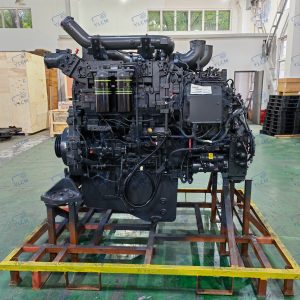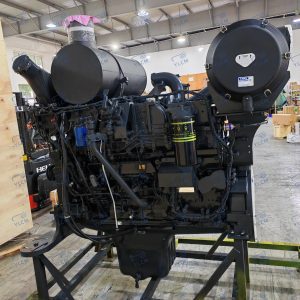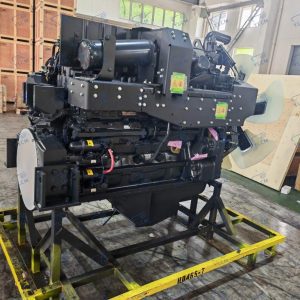


When an excavator breaks down, the first question is often which internal part failed and why. Understanding excavator internal parts isn’t just about knowing names; it’s about recognizing how each component affects uptime, repair costs, and machine reliability. For fleet managers and repair shops, a clear grasp of the engine, hydraulic pump, final drive, and transmission functions can turn a panic breakdown into a planned repair. From my experience sourcing parts for construction equipment across global markets, I’ve seen that knowing what’s inside the machine is the first step to making smarter procurement decisions. This article walks through the key internal components, what they do, and what to look for when it’s time to buy replacements.
Engine and Power System Internal Parts
The engine block, pistons, crankshaft, and camshaft form the core of the power system. In most excavators, a turbocharger forces extra air into the combustion chamber, boosting output without increasing engine size. I’ve worked with many different engine configurations, and over the years I’ve noticed that the cooling and fuel injection systems usually determine whether an engine reaches its expected service life. If you’re replacing engine components, you’ll also want to check the injection pump, nozzles, and alternator. On Komatsu machines, for example, I saw that a well-maintained injection system could keep fuel consumption stable for thousands of hours, while a neglected nozzle would cause uneven combustion and premature wear on the pistons and rings. Other parts like the water pump, oil pump, and fan belt may seem small, but a failure in any one of them can overheat the engine within minutes. When evaluating a replacement engine part, verify the material grade and surface treatment. Aftermarket components that meet the same heat treatment standards as the OEM design often perform just as well, provided the machining tolerances are tight.

Hydraulic Pumps and Motors: Core Internal Components
The hydraulic pump converts engine power into fluid pressure, and the travel and swing motors convert that pressure back into mechanical motion. Inside a piston pump, the cylinder block, pistons, valve plate, and swash plate wear against each other under high load. Common failure points here include scoring on the valve plate and worn piston shoes. I once inspected a pump that had run for over 12,000 hours without major overhaul; the difference was regular oil sampling and early replacement of the hydraulic filter. For many hydraulic components, contamination is the real enemy. The swing motor, located in the center of the machine, drives the upper structure rotation. Inside, planetary gears and a pinion mesh with the swing bearing. When a swing motor starts to feel sluggish, the problem is often internal leakage past worn seals or a damaged relief valve, not a complete mechanical failure. Replacing just the seal kit and re-testing the relief pressure can restore performance at a fraction of the cost of a full motor replacement. That’s a pattern I’ve seen repeatedly on older CAT and Hitachi machines. If you need to specify a replacement pump or motor, always confirm the displacement, mounting flange pattern, and shaft type. A pump that doesn’t match exactly will cause problems with flow and pressure, no matter how well it’s built.

Final Drive and Transmission Internal Parts
The final drive assembly sits inside the track frame and turns the sprocket. Inside a typical final drive, you have a hydraulic motor coupled to a two- or three-stage planetary gear set, supported by bearings and sealed with floating seals. In my experience, the most common failure here is oil contamination entering through a damaged floating seal, especially in sandy or muddy conditions. When that happens, the gears and bearings wear rapidly, and a replacement final drive or full rebuild becomes necessary. We’ve sourced transmission parts for many customers whose machines were down because of final drive damage that could have been avoided with a simple seal inspection. The transmission, in the sense of the travel gearbox, works similarly but often runs at a lower reduction ratio. The planetary gear sets inside both the final drive and swing reducer use sun gears, planet gears, and ring gears that must mesh cleanly. Even a small chip in a tooth will create noise and eventually cause catastrophic failure. When you’re ordering replacement internals, don’t just match the part number. Ask the supplier for the gear material specification and hardness. Reputable manufacturers will provide that data. If they won’t, that’s a warning sign. Also, check the pinion shaft and carrier for wear. Replacing only the gears while reusing a worn carrier may give you a few hundred extra hours, but it’s not a real fix.
Cooling, Filtration, and Electrical Internal Components
These systems don’t always get the same attention as the engine or hydraulic pump, but they directly impact the lifespan of every other internal part. The radiator core, oil cooler, and aftercooler need to handle the machine’s ambient operating temperature, and a partially clogged core will cause overheating across multiple systems. We’ve seen customers in tropical regions struggle because standard cooling packages couldn’t handle the sustained high ambient temperatures combined with dusty air. Upgrading to a high-efficiency core or adding a reversible fan can solve that problem without any changes to the engine itself. Filtration is equally critical. The hydraulic return filter, pilot filter, and engine air filter are the first line of defense. I recommend sticking to filter elements that meet the OEM’s beta ratio and micron rating, not just generics that claim to fit. A filter that looks the same but has a coarser media will let abrasive particles through, and that shows up later as pump and motor wear. On the electrical side, the wiring harness, sensors, and ECU control everything from fuel timing to pump displacement. A faulty sensor can make a perfectly good hydraulic pump behave erratically. When troubleshooting a performance problem, I always check the electrical connectors and sensor values before ordering mechanical repairs. For electrical components, a multimeter check of the wiring harness resistance and continuity often reveals a simple broken wire or corroded pin, saving the cost of a new controller.
Evaluating Internal Parts Quality for Heavy Equipment
After 20-plus years of handling both OEM and aftermarket parts, I’ve learned that quality evaluation comes down to a few specific checks that anyone can apply. First, look at the surface finish on machined surfaces like bearing journals, valve plates, and gear teeth. A cheap component will often show tool chatter marks or rough grinding, while a quality part has a smooth, consistent finish. Second, request a material certificate. If you’re buying a replacement crankshaft or piston, the steel or aluminum alloy grade should be clearly stated. For bearing components, ask about the clearance class and cage material. Bronze-caged bearings will last longer under shock loads than standard stamped steel cages. Third, if the part involves seals or gaskets, confirm the elastomer compound. Nitrile works for standard hydraulic oil up to 100°C, but if your machine runs hotter, you need fluoroelastomer seals. I’ve seen repair shops reuse old seal material specifications and end up with leaks within weeks. Fourth, weigh the part. Not as a quality check on its own, but as a consistency check. If a replacement pump housing is significantly lighter than the original, the wall thickness may have been reduced, which affects pressure containment. These checks do not require a full lab. They can be done by any experienced technician during receiving inspection. For readers who want to understand how aftermarket factories actually control quality, our article How Aftermarket Excavator Parts Factories Operate: A Deep Dive shows the sourcing and production side in detail, including what separates a process-driven facility from a simple assembly workshop.
Sourcing Excavator Internal Parts: OEM and Aftermarket Considerations
The decision between OEM and aftermarket parts isn’t just about price. It’s about lead time, warranty coverage, and the criticality of the component. OEM parts come with full traceability and a manufacturer warranty, but they can take weeks to arrive and cost significantly more. That makes sense for a long block engine or a precision pump that downtime cannot afford to get wrong. Aftermarket parts can offer comparable quality and shorter delivery, provided you select the right supplier. In my daily work, I see that the most successful procurement strategies use a mix: OEM for core power and hydraulic components that are difficult to validate in the field, and aftermarket for wear parts and standardized items like track rollers, bucket pins, and bushings. When sourcing internal parts specifically, I always recommend asking the supplier for test data. A hydraulic pump rebuild should include a pressure and flow test report. A final drive assembly should come with a break-away torque measurement and gear contact pattern check. These documents are not a guarantee, but they show that the supplier has a quality process in place. If the supplier can’t provide any test data, the risk increases. However, some top-tier aftermarket manufacturers in China now operate with ISO-certified production lines and full test benches, so a blanket rejection of all non-OEM parts is outdated. The key is to match the part type to the supplier’s capability, not to buy on brand name alone. For a practical example, read How to Choose the Right Hydraulic Pump Coupling for Your System, which breaks down coupling selection, a small but critical component whose failure can damage both the pump and the engine.
Unplanned failures in excavator internal parts eat into your project schedule and maintenance budget. If you’re building a parts list for a fleet or preparing for an overhaul, we can help you verify specifications, confirm compatibility, and source the right components from the factories we trust. Send your part numbers and quantities to [email protected] or call +86-21-55800172, and we’ll get back to you with availability, material data, and lead time information.
Common Questions About Excavator Internal Parts
What is the most frequent internal part failure across all excavator brands?
Hydraulic pump wear is the most common internal failure I see, especially on machines that operate beyond 10,000 hours. The failure usually starts with decreased flow and slower cycle times, caused by internal leakage past worn piston shoes and valve plate surfaces. If you catch it early and replace the rotating group, you can often avoid replacing the entire pump housing. The root cause is almost always contaminated oil or extended drain intervals.
Can I tell if an aftermarket part is high quality just from a photo?
A photo alone won’t tell you much, but there are some visual clues. Look for sharp, clean stamp marks on the part body. A blurry part number or inconsistent font can indicate a low-grade copy. Machined surfaces should be bright and free of burrs. If the part includes a gasket or seal, check whether it’s pre-lubricated or packaged in a sealed bag. That kind of attention to packaging is a signal that the manufacturer cares about preventing contamination before installation.
How often should I change the hydraulic oil to protect internal parts?
Most manufacturers recommend changing hydraulic oil every 2,000 to 4,000 hours, but that depends on the operating environment. In dusty or high-temperature conditions, I recommend sampling the oil every 500 hours and watching the ISO cleanliness code. If the particle count rises, change the oil and filters sooner. The goal is to keep the oil clean, not just change it on a fixed schedule. A machine with a high-quality filtration system can run longer between changes without harming internal components.
What is the HS code for excavator internal parts, and why does it matter?
Most excavator internal parts fall under HS code 8431.49, which covers parts suitable for use solely or principally with the machinery of headings 8425 to 8430. This code matters for import and export customs clearance, duty calculation, and trade compliance. If you’re importing parts from China, using the correct HS code speeds up clearance and avoids delays. We always confirm the appropriate sub-heading based on the specific part before shipping.
What information do I need to order the correct internal part for my excavator?
You need the full machine model, serial number range, and the original part number if available. For hydraulic pumps and motors, also note the displacement and any stamped identification numbers on the housing. A clear photo of the existing part and a short description of the failure mode help the supplier confirm compatibility. If your machine runs in extreme conditions or has been modified, mention that upfront so we can recommend parts with appropriate specifications. Share your machine details with us at [email protected], and we’ll check the correct part number and verify availability from our network.
If you’re interested, check out these related articles:
Cat 215 Aftermarket Parts Guide: Top Choices for 2026
Hyundai Excavator Spare Parts: Choose the Best Fit
Sourcing John Deere 120C Excavator Parts: A Practical Guide
OEM vs Aftermarket Hitachi Undercarriage Parts: A Deep Dive