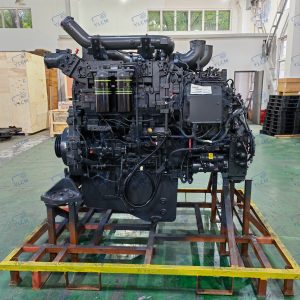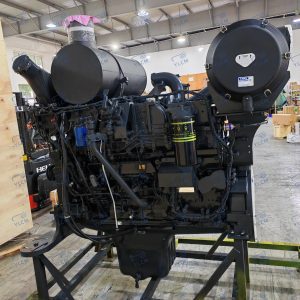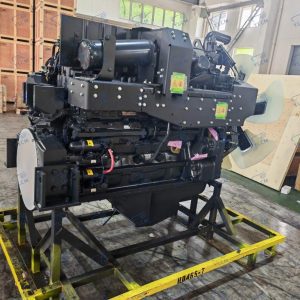

When a Kobelco SK35 or SK45 sits idle because a hydraulic pump seal failed or a track adjuster seized, every hour costs money. The immediate reflex is to grab the first available part online and get back to work. But the heavy equipment parts market is full of quality gaps and inflated pricing, and one rushed purchase can put a machine right back in the shop. This guide lays out a repeatable sourcing process that protects your uptime and your budget, drawn from years of supply chain work across OEM and aftermarket channels.
Pin Down the Exact Part Specs Before You Order
You need more than a part name. Kobelco mini excavators span models from the SK15 to the SK55 and beyond, and even within the same model, serial number breaks can change a seal dimension or a bearing type. Start with the machine serial number and the official parts manual. If you do not have the manual, a dealer or an aftermarket supplier that cross‑references by serial number can pin down the correct part number. Do not rely on photos or generic “fits all mini excavators” listings. Engine components for these machines are a classic example—pistons and rings for a 4‑cylinder Yanmar engine must match the exact engine model variant, not just the displacement class.

Compare OEM and Aftermarket Parts Without Bias
Buyers often split into two camps: genuine‑only or cheapest‑possible. Both miss the middle ground where value lives. An OEM Kobelco part carries the manufacturer’s qualification and warranty, but it also carries a premium price and sometimes a longer lead time. Aftermarket parts span a wide range, from supplier‑branded components that match the OEM drawing to no‑name stock with inconsistent heat treatment. The difference is not about the label “aftermarket”—it is about the supplier’s sourcing discipline. A supplier that can tell you which factory produced the part, what material grade it used, and how it verifies dimensional tolerances is offering something far closer to OEM value at a lower cost. The same evaluation logic applies across brands. A deeper look at comparing part streams appears in OEM vs Aftermarket Hitachi Undercarriage Parts: A Deep Dive, and the decision framework translates directly to Kobelco undercarriage components.
Evaluate a Supplier Remotely Using Supply Chain Fundamentals
You cannot walk every factory floor, but you can read what the supplier puts in front of you. Ask for three things right away: the factory audit report or quality certification for the part category you need, a physical photo of the part next to a caliper measuring a critical dimension, and a reference order for a similar Kobelco mini excavator part shipped to a customer in your region. Real suppliers have this data on hand. A supplier that hesitates to share a dimensional check or material certificate is often one that does not perform them.
Check how the supplier talks about lead time and freight. A supplier that quotes a flat “10 days” without asking about your port, the HS code classification, or the packaging requirement is guessing. That guess leads to customs holds and surprise invoices. During 22 years inside the parts supply chain, I have seen more delays come from poor document preparation than from production. If your order involves multiple part numbers with different HS codes, the supplier should be able to explain how they will consolidate paperwork to keep clearance clean. If your equipment runs in abrasive conditions, confirming the correct material specification for wear parts before committing the order avoids premature replacement cycles. Send your part list and application details to [email protected], and we can confirm the right grades before you spend.
Decide Which Parts Are Worth Stockpiling
Not every component is worth tying up cash. The parts that pay for themselves in stock are the fast‑wear consumables and the long‑lead items that can strand a machine for weeks. For Kobelco mini excavators, this list starts with undercarriage parts: rubber tracks, track rollers, idlers, and sprocket hardware. A torn track or seized roller stops a machine completely, and aftermarket rubber‑track quality varies enormously. Next come hydraulic seals and hose kits. A single blown boom cylinder seal pack can wait 10–14 days if you do not have it on the shelf. Engine service kits—oil, fuel, air filters, and the water pump gasket set—round out the minimum inventory. Hydraulic components that fail predictably, such as pilot control joystick rebuild kits and relief valve seal sets, are also worthwhile because the parts cost is low and the repair requires only basic mechanic time.
Inspect Your Shipment for Quality and Completeness
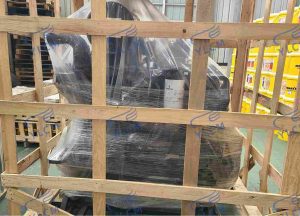
How a part arrives tells you almost as much as how it performs. Before signing any delivery receipt, check the packaging: sealed plastic inside oil‑resistant wrapping for hydraulic parts, edge protection on gasket surfaces, and no metal‑on‑metal contact inside the box. Open a sample seal kit and confirm the o‑ring cross‑section is uniform—wipe with a white cloth and look for black residue that signals cheap filler in the rubber compound. Count the parts against the packing list while the courier is still present. Two missing bolts on an otherwise complete track‑shoe assembly can add three days of waiting. For additional guidance on transport protection, Safe Shipping Excavator Parts: Protecting Your Heavy Machinery Investment outlines measures that complement your receiving inspection checklist.
Common Questions About Kobelco Mini Excavator Parts
How do I confirm a Kobelco part number works across different models?
Start with the serial number, not the model. Kobelco often uses the same base component—such as a travel motor or a swing reduction gear—across several models within the same weight class, but the hydraulic port locations or mounting bolt patterns can shift between serial number ranges. Cross‑reference the part number in the official parts catalog with the serial number prefix. If you are working with an aftermarket supplier, ask for a screenshot of their ERP system showing the part number matched to the Kobelco serial number range before you pay.
Is it safe to run aftermarket parts in the hydraulic system?
The hydraulic system runs at 3,000–5,000 psi, and a seal or pump component failure here is expensive. Sticking to a known aftermarket brand that publishes its pressure ratings and material certifications is a reasonable approach, provided the supplier can trace the part to a specific hydraulic component manufacturer. Avoid parts sold only by price without documented test pressure data.
What is the typical lead time for Kobelco mini excavator parts from China?
Air‑freight shipments of in‑stock parts average 5–7 business days door‑to‑door once a trusted shipping account is active. Sea freight adds 20–35 days depending on the destination port. Custom‑made or backordered items extend lead time by the production window, normally 15–30 days for seal kits, bushings, and bucket wear edges. Confirm packaging and documentation at the quote stage so nothing stalls at export customs.
How do I spot a counterfeit or low‑grade part before installation?
Look at the machining finish first. A genuine or high‑quality aftermarket part will show consistent surface finish on bearing journals and sealing surfaces. A counterfeit often has chatter marks or uneven chamfers. Check the part markings against the OEM sample or catalog: low‑grade copies sometimes use a different font or omit heat‑code stamps. If the part is a rubber track, weigh it—a noticeably lighter track almost certainly has a lower‑grade carcass and will stretch or delaminate early. Share your specs with us at [email protected] and +86-21-55800172, and we can confirm the right quality level for your application.
If you’re interested, check out these related articles:
JCB Excavator Parts: Functions, Sourcing, and Compatibility
Choosing Excavator Undercarriage: Performance & Durability for 2026
Excavator Implements: Types, Uses, and Sourcing Tips
How to Extend Caterpillar Excavator Wear Parts Life: Tips
How to Choose the Right Hydraulic Pump Coupling for Your System