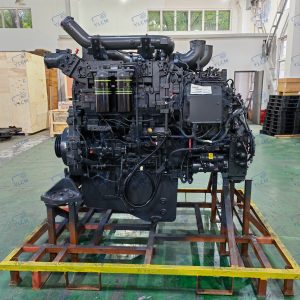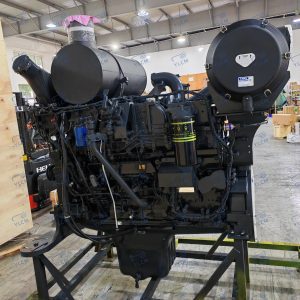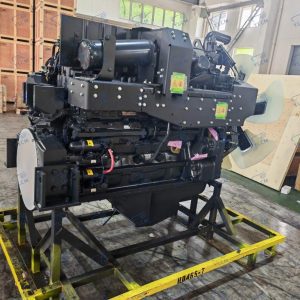

Finding Bobcat 334 mini excavator replacement parts often starts with frustration—worn part numbers, long dealer lead times, and prices that can strain a maintenance budget. I’ve worked in construction equipment parts supply for over twenty years, and I’ve seen how the right sourcing process can make all the difference between weeks of downtime and a quick, budget-friendly fix. This guide walks through a step-by-step method for identifying what you need, evaluating both OEM and aftermarket channels, and ordering with confidence from global suppliers. The key is matching the correct part number, then vetting suppliers to separate quality parts from risky knock-offs.
Identify the Exact Part You Need
The single biggest delay in ordering Bobcat 334 parts is starting without a verified part number. Every Bobcat excavator has a machine serial number stamped on a data plate near the operator station. That serial number is the entry point into the Bobcat parts catalog, which lists every assembly and component down to the smallest O-ring. If you have the original service manual, even better—the exploded diagrams often include OEM part numbers for quick reference.

When the original label is illegible or the part is too damaged to read, cross the machine serial number and the component’s physical location with the catalog. For undercarriage parts, track frame measurements and roller diameters become necessary because the 334 series used multiple track group configurations across production years. I’ve handled cases where swapping a used roller without measuring the flange thickness led to rapid track wear, simply because the aftermarket part was from a different 334 variant. Take photos of the existing part next to a measuring tape before you start calling suppliers. That five-minute step saves hours of back-and-forth.
Locate Reliable Suppliers for Bobcat 334 Parts
You have four main supplier channels. Authorized Bobcat dealers provide factory-certified OEM parts with warranty backing, but prices and lead times can be high, especially for older machines. Independent parts distributors often stock both OEM and aftermarket alternatives with shorter delivery times. Online marketplaces like Alibaba or eBay host dozens of vendors, though quality control is entirely your responsibility. Direct sourcing from aftermarket manufacturers in China offers the lowest unit cost but demands the most thorough vetting.
The supplier’s response to your first inquiry is a strong indicator of reliability. Ask for a photo of the actual part, not a stock image. Request the material specification or, for wear parts, the hardness treatment. A competent supplier should confirm the part’s compatibility with your machine’s serial number range without you having to check every detail. If the supplier cannot explain what factory produced the part or what quality standard it follows, move on. In my experience, suppliers who hesitate to share manufacturing details are often resellers marking up generic parts without any quality oversight.
Evaluate Aftermarket Quality vs. OEM Options
Aftermarket Bobcat 334 parts can meet or exceed OEM specifications, but the quality range is wide. The most predictable results come from tier-one aftermarket manufacturers that supply components to authorized service centers or that cast parts under ISO-certified processes. For a closer look at evaluating aftermarket engine components for Bobcat models, our guide How to Choose Aftermarket Engine Parts for Bobcat Excavators covers the specific quality checks for pistons, cylinder liners, and gasket kits. The table below outlines the core differences.
| Factor | OEM Parts | Aftermarket Parts |
|---|---|---|
| Cost | Premium pricing | Typically 30–50% lower |
| Availability | May require long backorder | Often in stock at distributors |
| Quality consistency | Factory-controlled batch | Varies by manufacturer |
| Warranty | Full manufacturer warranty | Warranty depends on supplier |
| Suitability for safety-critical components | Recommended | Acceptable if source is verified |
Not every component demands OEM. Bucket teeth, track pads, filters, and many seal kits perform identically in real-world use when sourced from a quality-focused aftermarket manufacturer. Hydraulic pumps and final drives carry more risk; I typically advise matching OEM or using a supplier that can provide the hydraulic schematic and test data. For engine components like injectors or turbochargers, always confirm the part’s duty rating matches your machine’s operating conditions—high-altitude or heavy-duty cycles can expose weak remanufactured parts quickly.
Order and Import Parts with Confidence
Once you’ve identified the part and the supplier, the order itself needs a clear specification. Always include the machine serial number, the OEM part number if known, and the aftermarket cross-reference number. Request a proforma invoice that lists the part description, material, quantity, unit price, shipping terms, and estimated lead time. For international shipments, clarify whether the price includes freight and customs clearance, or if you’ll handle the import paperwork yourself. Documentation errors at customs are a common reason for delays on container shipments; I’ve seen a single missing HS code delay a full pallet of undercarriage parts by two weeks.
For smaller orders, air freight is fast but expensive. A single swing motor or a set of track chains may be worth the air shipping cost if downtime is costing you daily rental rates on a replacement machine. For bulk orders, sea freight with consolidated shipping containers can cut the landed cost significantly, provided you plan three to six weeks ahead. Always build in a buffer for port congestion or customs inspection.
Avoid Common Sourcing Mistakes
The most expensive mistake is buying on price alone. A bottom-priced track roller that fails after 300 hours costs far more in downtime and replacement labor than a mid-tier one that lasts 1,500 hours. Check the supplier’s return policy before paying. If they cannot articulate a clear defect-handling procedure—who pays for return shipping, how replacement parts are expedited—the savings aren’t worth the risk. Another common pitfall is ignoring part interchangeability. Some Bobcat 334 variants share hydraulic components with the 331 or 328, but not all do. Confirm that the supplier has verified fitment for your exact serial number break, not just the model name.
Finally, never skip the physical inspection after you receive the parts. Compare the new part to the old one before installation. Measure critical dimensions, check for casting porosity on structural components, and verify that any hydraulic ports are properly capped to prevent contamination. Spending ten minutes on arrival inspection saves you from discovering a mismatch when the machine is already disassembled.
Matching Quality Parts to Real-World Budgets
If you’re weighing aftermarket options for critical hydraulic or engine components, it’s worth confirming material specifications, tolerance data, and any available test reports with the supplier before committing to a bulk order. A direct conversation often reveals whether the manufacturer understands the working conditions these parts will face. For machines that run in sandy or high-abrasion environments, specifying a particular seal material or hard-facing treatment can be the difference between a part that lasts and one that fails early. If your program involves multiple part numbers or urgent lead times, share your list—including machine serial numbers and any existing part references—at [email protected]. A quick compatibility check can prevent costly re-orders later. You can also reach our team at +86-21-55800172.
Common Questions About Bobcat 334 Parts Sourcing
Can I use aftermarket parts without voiding the warranty on a used Bobcat 334?
If the machine is still under a manufacturer or extended service warranty, using non-OEM parts for covered repairs can potentially void that coverage, depending on the warranty terms. On machines where the warranty has expired, which is common for 334-series models built over a decade ago, aftermarket parts carry no warranty risk. The real concern becomes whether the aftermarket part matches the OEM specification closely enough to avoid premature wear on adjacent components. I’ve found that sticking to suppliers who supply the same part to multiple excavator brands gives a reasonable confidence margin.
What are the most frequently replaced parts on a Bobcat 334?
Hydraulic cylinder seals, bucket bushings, track adjusters, and idler bearings tend to wear fastest on this model. Engine oil filters and fuel filters are routine replacements, and the cooling fan belt interval is worth tracking closely because a broken belt can lead to rapid overheating. Undercarriage components such as sprockets and rubber tracks become replacement candidates once wear exceeds 60–70% of the original dimension. Operators working in rocky soil often see accelerated tooth wear on the bucket; keeping a spare set of teeth and retainer pins on hand reduces interruption time.
How long does it take to receive parts from an overseas supplier?
Air freight shipments usually arrive within 5–10 business days after dispatch, while sea freight shipments take 3–6 weeks depending on the port. The biggest variable is not transit time but supplier processing speed. Some manufacturers keep popular Bobcat 334 components in stock ready to ship, while others build to order with a lead time of 2–4 weeks. Always ask for an estimated shipping date, not just a delivery estimate, and request a tracking number as soon as the shipment is generated.
Is it safe to buy Bobcat 334 parts from an overseas supplier I have never used before?
It can be safe if you follow a structured verification process: ask for the supplier’s business license, request photos of the actual inventory or production line, check for ISO or equivalent quality certification, and start with a small trial order before placing a larger purchase. If the supplier cannot provide clear documentation or avoids direct answers about material grade and origin, the risk is high. I’ve seen buyers successfully build long-term relationships with overseas suppliers by starting with a low-value test order and evaluating both product quality and communication quality before scaling up. If you need help cross-referencing part numbers or confirming supplier credentials for your specific Bobcat 334 serial number, we can assist directly—send your requirements to [email protected] and we’ll confirm technical details and availability.
If you’re interested, check out these related articles:
How to Choose Aftermarket Engine Parts for Bobcat Excavators
What Really Matters When Sourcing Excavator Parts: A Breakdown of Critical Components
469334 Excavator Part: Function and Application Explained