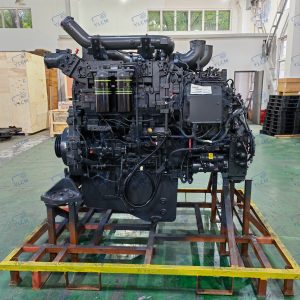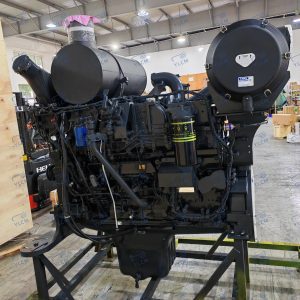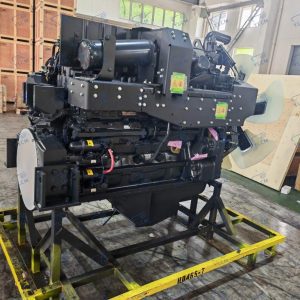

An excavator is more than the sum of its parts. While components like hydraulic pumps, undercarriage assemblies, and engine systems each have distinct roles, their true reliability depends on how well they function as an integrated system. Over more than twenty years in heavy equipment supply chain, I’ve seen that maintenance managers and procurement teams who understand these interdependencies avoid cascading failures and reduce unplanned downtime. This article explains how the main parts of an excavator collaborate, why that matters when you buy replacements, and what to watch for when ordering.
The Core Systems of an Excavator
Every excavator combines three main systems: a diesel engine that produces mechanical energy, a hydraulic system that converts and controls that power, and a structural undercarriage that supports the machine and enables travel. The engine drives the hydraulic pump, which pressurizes hydraulic oil and sends it through control valves to cylinders and motors. Those cylinders extend and retract the boom, arm, and bucket, while the track motors drive the final drives to move the machine.
What often gets overlooked is how tightly these systems depend on each other. An engine component problem like a worn fuel injection nozzle can cause uneven power output. That puts fluctuating loads on the hydraulic pump, which in turn creates pressure spikes that stress seals and hoses throughout the system. If the maintenance team just replaces the pump without checking the root cause, the same failure often returns within months.

How the Hydraulic System Delivers Power and Control
The hydraulic circuit is the excavator’s muscle and nervous system. The main pump moves fluid to a bank of control valves, each directing flow to a specific function: boom lift, arm crowd, bucket curl, or swing. Pilot pressure from the joystick controls the valve spools. If the pilot system has a tiny leak, the operator feels lag or hesitation, even when all cylinders and pumps are in good condition.
Heavy equipment parts like cylinders, pumps, and valves must be specified with compatible flow ratings and pressure settings. A replacement cylinder with slightly different bore dimensions will move slower or faster than the factory design, disrupting the rhythm of the operator and putting extra stress on the arm and pin connections. At our company, we always recommend confirming the full hydraulic spec of a machine before placing an order for any single component. This cross-check prevents the kind of mismatch that leads to early wear on seemingly unrelated parts.
A typical hydraulic system includes the main pump, swing motor, travel motor, and several high-pressure hoses and tubes. If you are sourcing hydraulic components for a job site, look at the condition of the oil cooler and filter housings at the same time. Overheated or contaminated fluid degrades every component it touches, so a new pump installed in a dirty system will have a short life.
How the Undercarriage and Drive Line Transmit Motion
The undercarriage is a system of steel tracks, idlers, rollers, sprockets, and a track frame, all driven by a travel motor and final drive. Power from the hydraulic travel motor goes through the final drive reduction gears to the sprocket, which engages the track chain. The chain then rotates around the idler at the front and runs over the bottom rollers.
Because all these parts share a fixed dimension, wear on one influences the others. A sprocket with elongated tooth pitch forces the track links to stretch faster. That stretched track then applies uneven pressure on the idler and rollers, causing flat spots or bearing failure. Undercarriage parts like rollers and idlers should be measured for wear limits together. In heavy digging or rocky terrain, we often see contractors replace the entire undercarriage as a kit instead of piece by piece. The upfront cost is higher, but the per-hour operating expense is lower over the machine’s remaining life.
For a deeper look at how each undercarriage element functions and what to inspect, our earlier guide Understanding Excavator [Undercarriage Parts](https://www.ylcmparts.com/product-category/undercarriage-parts/) and Their Roles covers measurement tolerances and replacement intervals.
The Ripple Effect of a Single Part Failure
Ignoring a small wear sign in one area frequently cascades into multiple failures elsewhere. A sticking control valve spool can cause a cylinder to drift, which then strains the boom hinge pins and bushings. The machine operator may compensate by working harder, burning more fuel and accelerating pump wear. By the time the original valve fault becomes obvious, the repair bill often includes a cylinder reseal, pin replacement, and a pump inspection.
I have seen this pattern repeatedly across mining and construction fleets. Teams that operate a condition-based monitoring approach, checking hydraulic pressures and undercarriage wear measurements at regular intervals, catch these chain reactions early. More important for parts buyers, it means that the bill of materials for a repair job should often be broader than just the failed part. When a track adjuster seal fails and the track loosens, for example, it’s worth inspecting the idler guides and sprocket segments at the same time. If your current supplier can only provide one item at a time, you risk extended downtime while waiting for additional parts.
Strategic Parts Sourcing: Think in Systems, Not Isolated Components
For procurement managers and maintenance planners, the key takeaway is this: order excavator parts with the whole system in mind. A sourcing decision that only considers the unit price of a single component often leads to higher total cost because hidden incompatibilities and follow-on failures are not accounted for.
Working with a supplier who can provide matched structural components such as booms, arms, and brackets, along with the associated pins and bushings, simplifies the quality assurance. When all parts come from the same manufacturer network, tolerances are consistent and the risk of accelerated wear from mismatch drops. We covered how aftermarket factories maintain consistency in How Aftermarket Excavator Parts Factories Operate: A Deep Dive, which explains the production steps that affect part matching.
Whether you run a mixed fleet of Komatsu, Cat, or Kobelco machines, asking for a complete system recommendation rather than a single part number often uncovers more cost-effective options. A trusted partner can advise on which components to bundle, what aftermarket alternatives deliver equivalent performance, and how to time purchases to minimize freight costs. If your current supplier only responds to part numbers without offering technical insight, you may be leaving uptime and budget on the table.
Common Questions About Excavator Parts Integration
How can I tell if a hydraulic pump failure was caused by contamination rather than normal wear?
Check the wear pattern on internal pump pistons and the valve plate. Contamination usually leaves scoring marks and uneven wear, while normal wear appears smooth and gradual. Also examine the condition of the suction filter and hydraulic oil. If the oil shows a high particle count or is dark and smells burnt, the pump likely failed because of dirty fluid, not age. In that case, replacing only the pump will lead to a repeat failure; the system needs flushing and all filters changed first.
Should I replace all undercarriage components at the same time?
It depends on the remaining life of the machine and the current wear on related parts. If a sprocket or idler has passed its wear limit and the tracks have stretched beyond the adjuster range, replacing only the failed item will create a weak link syndrome. The new part will have to carry extra load and will wear faster. In most jobs where the machine is expected to work another 2,000 hours or more, a complete undercarriage kit saves money in the long run. For machines nearing retirement, a targeted replacement may be sufficient.
Why do some aftermarket parts wear faster than others?
The difference is rarely the material alone. It is how well the part matches the system’s operating specs. A bucket pin that fits can still wear quickly if its hardening depth or surface finish is not optimized for the load and frequency. Reputable aftermarket factories use original equipment specifications and often share the same raw material grades as OEM. The problem arises when buyers focus solely on appearance and price, without checking that the manufacturer actually validates fit and hardness consistently. Requesting test certificates or a sample batch before volume orders can eliminate this risk. Share your requirements with us and we will confirm which certifications are available for the parts you need.
Parts Supply That Matches Your Machine’s Demands
When you understand that an excavator functions as a single interactive system, you stop buying parts as isolated pieces and start planning maintenance at the system level. That shift reduces total cost of ownership and extends component life across the entire machine.
If you are sourcing replacement parts for your excavator fleet and want a partner who can supply matched system kits, send your part numbers and required quantities to [email protected] or call +86-21-55800172. Our team will verify compatibility, confirm current stock and delivery lead times, and advise on cost‑effective bundling options, whether you need OEM‑equivalent undercarriage kits or complete hydraulic component sets.
If you’re interested, check out these related articles:
469334 Excavator Part: Function and Application Explained
How to Choose the Right Hydraulic Pump Coupling for Your System
Kobelco Excavator Parts Manuals: Your Guide to Efficient Maintenance
How to Choose Excavator Undercarriage Parts for Your Machine