
Choosing compact excavator parts starts with the machine serial number and the way the machine actually works, not with the lowest online price. A compact excavator that runs a hydraulic thumb and a tilt bucket stresses different components than a unit used only for trenching. I have seen otherwise identical models leave a supplier with the same part number and still fail because one unit had a modified auxiliary circuit. Matching the part to the serial number break and the work profile reduces that risk before money leaves the account.
The Right Part Selection Starts with the Machine Serial Number
Model names are not precise enough for compact excavator parts sourcing. Manufacturers change pilot control valves, quick couplers, and engine packages within the same series, and those changes split parts catalogs by serial number. I treat the serial plate photo as the first purchase document. Before quoting anything, we record the full serial number, the engine option code, and the attachment configuration from the machine. A missing prefix leads to the wrong track frame or the wrong auxiliary valve block, and those are not small corrections.
| Data to capture | Why it changes part fit |
| Serial number prefix | Splits production revisions for pumps, couplers, and wiring harnesses |
| Engine option | Different displacement or emission tier changes filters and cooling parts |
| Attachment configuration | Auxiliary flow changes valve, hose, and coupler requirements |
| Regional build | Booms, guards, and cab parts vary by factory |
The same discipline applies to heavy equipment parts. Buyers sometimes ask for a part by model and year without the serial break, then receive a component that fits the previous revision. The correction is slower than the original order when the part is already in transit.
Undercarriage Parts Wear at Different Rates on Compact Excavators
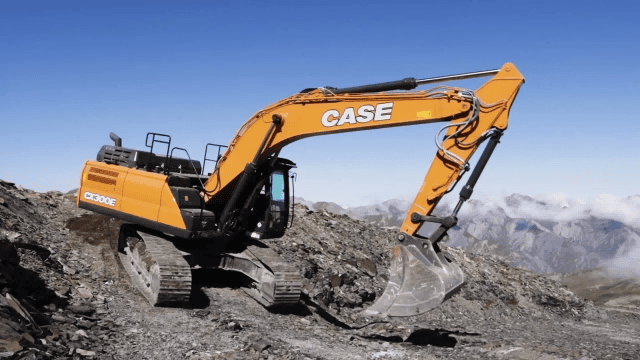
Compact excavator undercarriage parts are not simply smaller versions of large machine undercarriages. Rubber tracks, steel tracks, idler sizing, and roller count all shift with working weight and travel duty. A machine that crosses asphalt every day wears the track links differently than one that works in clay. I watch for two things on every inquiry: the track shoe width from the old link stamp and the presence of pilot-operated versus manual track tension.
On narrow jobsites, buyers often choose rubber tracks for lower ground pressure and cleaner turns, then discover the drive sprocket is not compatible with the replacement track pitch. We ask for the pitch measurement and a photo of the drive teeth before quoting. Track tension type is another split point. Some compact models use grease cylinders and others use hydraulic tensioners, and the seals for those two systems are not interchangeable.
Hydraulic Components Need More Than a Visual Match
Pumps, control valves, and other hydraulic components look similar across compact models, but flow ratings and pilot pressure settings separate safe choices from expensive mistakes. A hydraulic gear pump can carry the same flange pattern and still be rated for a different displacement. The serial number break matters here because auxiliary circuit changes are common on compact machines that run breakers, augers, and thumbs.
Before quoting a hydraulic pump or valve, we confirm the relief pressure, the pilot control type, and the attachment flow requirement. If the machine was modified after delivery, the original catalog part may no longer be the correct fit. Seal kits follow the same rule. A visually identical cylinder stub can use different rod and piston seals depending on the production batch. We also ask whether the machine still runs its original pressure settings or has been adjusted for a particular attachment.
If your compact excavator runs an auxiliary attachment, confirm the relief setting and pilot pressure before finalizing any hydraulic order. Send the serial number and attachment flow requirement to sales@sh-yshuo.com and we will check the correct valve and pump match.
Engine Components and Cooling Parts Can Be Bought as a Package
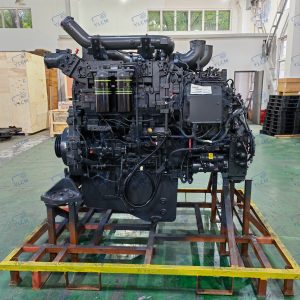
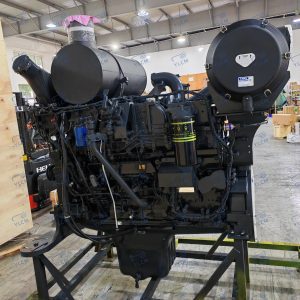
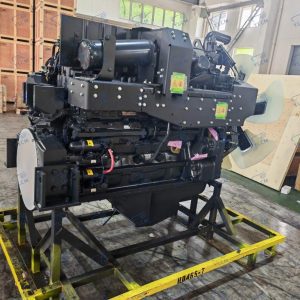
Engine repairs on compact excavators usually involve more than one part, so engine components and cooling parts should be checked together. A failed fan belt wears the tensioner and can damage the water pump seal, and a clogged radiator core hides deeper blockage in the engine oil cooler. I prefer to quote engine and cooling parts as a package when the machine has passed a set of repair hours or shows high coolant temperature.
The part number on the old component matters, but so does the emission tier. Compact machines built for different markets can use different injection pumps, water pump housings, and fan drive ratios. A buyer who only sends an engine model risks receiving a cooling part from the wrong emissions package.
For a closer view of the same decision process on a specific compact line, How to Choose Aftermarket Engine Parts for Bobcat Excavators explains how serial number checks and supplier documentation interact. The same logic applies across other compact excavator lines.
Our Sourcing Approach for Compact Excavator Parts
Choosing between OEM and aftermarket sources often leaves a buyer with multiple part numbers and no clear way to confirm fit. We match the part number against the machine serial break, identify the original manufacturer, and quote the compatible option before payment. Send your serial number, part number, and quantity to sales@sh-yshuo.com or call +86-21-55800172. We confirm stock, lead time, and shipping documents before you commit.
Questions Buyers Ask About Compact Excavator Parts
Can aftermarket parts void a compact excavator warranty?
Aftermarket parts do not automatically void a compact excavator warranty, but the legal position depends on where the machine is registered and how the warranty terms are written. In many markets, a manufacturer cannot void the full warranty simply because an equivalent part was installed. The exception appears when the replacement part causes the failure or when the machine is still under a service contract that requires approved components. Before ordering non-OEM parts, I suggest checking the warranty clause for parts sourcing restrictions. Keep the purchase record and part specification in the maintenance file.
Should I choose rubber tracks or steel tracks for a compact excavator?
It depends on where the machine works and how often it moves over concrete. Rubber tracks suit finished surfaces, turf, and indoor work because they leave less surface damage and run quieter. Steel tracks hold up better in rock, demolition, and heavy abrasion, but they are harder on asphalt and give a firmer ride. Some buyers run rubber tracks on resale machines and steel tracks on high-hour site machines. If the undercarriage parts are already worn, replace the sprocket and idler with the track set rather than mixing new and old components.
Why do two machines with the same model number need different parts?
The more useful question is which serial number break the machine falls under. Model names stay the same while the manufacturer changes internal parts between production periods. A serial break can split a pump, a joystick pilot valve, or an entire undercarriage frame. Two units from the same model year can still carry different revisions if one was built for a different market. We ask for the serial plate photo before quoting because it shows the production prefix and the engine option code that catalogs leave out.
Is price the best way to judge compact excavator parts quality?
Many buyers assume a higher price means a better part. That is not reliable. Some expensive parts are genuine OEM components priced for dealer margin, while some low cost parts are identical aftermarket production from the same regional supplier network. The stronger check is specification plus supply chain documentation: correct part number, revision match, material standard, and a supplier who can trace the order. I have seen low cost parts fail because the part number was correct but the material grade was not. Share your machine serial number and parts list with us at sales@sh-yshuo.com and we will confirm stock and compatibility data.
If you’re interested, check out these related articles:
Link-Belt Excavator Parts Lookup: Your 2026 Sourcing Guide
Cat 215 Aftermarket Parts Guide: Top Choices for 2026
China Excavator Parts Canada: Your Practical Import Guide