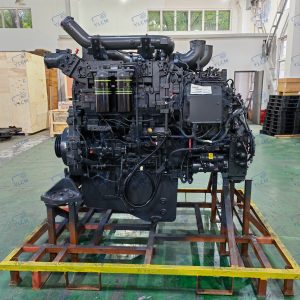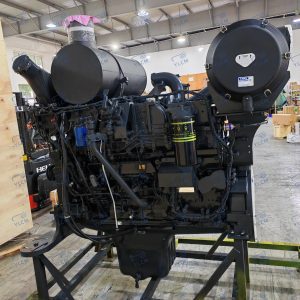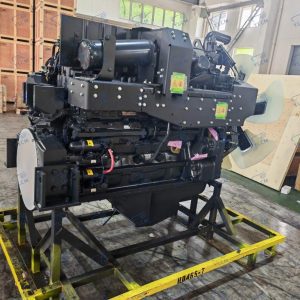

Used excavator parts can keep your fleet running without the cost of new components, but finding a supplier you can trust is where many buyers get stuck. After spending over twenty years in the Komatsu supply chain and now running an independent parts sourcing company, I’ve learned that a supplier’s reliability isn’t just about a glossy website or a quick response — it’s about how transparent they are with their sourcing channels and whether they’ll let you inspect what you’re buying before it ships.
What Makes a Reliable Used Excavator Parts Supplier?
A supplier with real credibility doesn’t hide where their parts come from. When I worked at Komatsu, we sourced rebuilt components only from certified remanufacturers. Today, the suppliers I trust most are those who tell me which disassembly yard or OEM overstock channel a part originated from. They also have direct manufacturer ties — we cooperate with more than 20 OEM and aftermarket factories in China, Japan, Russia, and the USA. That’s not a marketing line; it’s the backbone of our quality control. If a supplier can’t name a specific factory or dismantling center, I’d walk away.
The length of a supplier’s relationships matters too. A workshop that has been sourcing used undercarriage for a decade will know which yards produce undamaged rollers and which ones push worn idlers as ready-to-use. For a deeper look at these credentials, see our guide to choosing reliable excavator parts suppliers in China.

How Can You Verify the True Condition of a Used Component?
Used doesn’t mean worn out, and it certainly shouldn’t mean rebuilt and passed off as original. The inspection starts before you even see the part. Ask for a video of the component still attached to the donor machine, if possible. Then request high-resolution photos of critical wear surfaces: bushing bores, shaft sealing areas, and any gasket joint faces.
The table below lists what I look for when evaluating common used earthmoving components:
| Component | What to Check | What Raises a Flag |
|---|---|---|
| Undercarriage idler | Bushings, seal grooves, weld repairs | Re-welded housing, uneven wear, no OEM stamp |
| Hydraulic pump | Shaft play, inlet port debris, paint overspray | New paint on a “used” part, mismatched serial numbers |
| Engine block | Cylinder bore measurements, coolant passage corrosion, stamping fonts | Oversized bores without documentation, non-OEM stampings |
| Final drive | Gear backlash, magnetic plug debris, seal condition | Fresh silicone sealant, pitting on gear flanks |
If the supplier hesitates to remove a cover or send a photo of the inside of a port, the part is probably cosmetically cleaned only.
If your next order includes hydraulic cylinders or final drive components, confirming the exact inspection method can prevent on-site failure. Send your specs to [email protected] and we’ll share what a thorough inspection looks like for your part type.
Where Do Reliable Suppliers Source Their Used Parts?
Most articles tell you to check a supplier’s stock list. I tell you to ask for the dismantling report. Every trustworthy used parts supplier I know — and I’ve built a business around this — maintains records that trace a component back to the machine it came out of. That includes the machine’s hours, the work it did, and sometimes a video of the disassembly. Without that provenance, you’re betting on a part with no history.
Reliable sources fall into a few clear channels: equipment dealers selling trade-in machines that are parted out, OEM overstock and canceled orders, and well-managed disassembly yards that grade parts before listing them. A supplier who can show you a direct link to one of these channels usually has better control over condition.
We built our network by working with yards and factories directly, not by buying from anonymous online listings. That’s partly because I spent years at Komatsu learning which aftermarket channels produce parts that match OEM life. The lesson hasn’t changed: the clearer the source, the lower your risk. If you want to understand how aftermarket operations differ from genuine used channels, take a look at our deep dive into how aftermarket excavator parts factories operate.
What Questions Should You Ask Before Placing an Order?
Even a supplier with a good reputation can ship a part that doesn’t fit your machine or your working conditions. A structured set of questions before payment keeps expectations aligned:
- Can you provide the original machine’s hours and service records?
- How do you clean and preserve used hydraulic components before shipping?
- If the part fails within the warranty period, what is the claims process?
- Do you have in-house inspection, or do you rely on third-party reports?
- Will you accept a 30% deposit with the balance against inspection approval before dispatch?
A supplier who answers all five directly has dealt with professional buyers before. My team has seen cases where a lack of clarity on question three alone turned a $4,000 engine short block into a dispute that killed a relationship.
We’ve covered many of the fundamentals in our breakdown of what really matters when sourcing excavator parts, especially around matching component condition to your operation’s duty cycle.
How Can You Avoid Common Sourcing Mistakes with Overseas Suppliers?
The most expensive mistake is assuming a website equals a warehouse. I’ve walked into offices where the “inventory” was nothing more than a database of photos scraped from other sellers. Always request a live video call that shows the actual inventory on the shelves, with the part you intend to buy clearly visible.
Payment terms are the second trap. Never pay 100% upfront. A 30% deposit with the balance against inspection photos and a video before shipment is standard practice among reputable Chinese exporters. Use trade assurance or an LC if the order value justifies it.
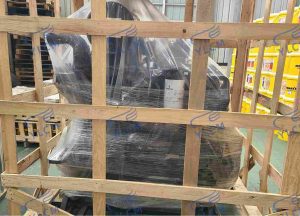
Shipping used parts with residual oil or grease can cause customs delays. Confirm that the supplier will drain fluids, cap ports, and provide a packing list that matches the commercial invoice exactly.
If you’re importing into North America for the first time, our practical import guide for China excavator parts to Canada outlines the paperwork and labeling that keep a shipment moving.
What Does a Long-Term Partnership with a Used Parts Supplier Look Like?
A true partnership means the supplier knows your fleet inside out, proactively holds inventory for your most replaced items, and sends you condition reports before each shipment. That’s the standard we aim for at Shanghai Yanli. If you’re tired of chasing down used parts that underdeliver, send your part numbers and annual consumption to [email protected] or call +86-21-55800172. We’ll put together a reliable supply plan built on transparency and real-world inspection.
Common Questions About Buying Used Excavator Parts
What’s the real difference between used, rebuilt, and remanufactured?
Rebuilt means a technician replaced only the failed components to make the part functional again, often without full disassembly or testing to original spec. Remanufactured means the part was completely torn down, all wear items replaced, and the assembly tested to meet or exceed OEM specifications. Used parts, in our definition, are original components that came off a working machine and still meet acceptable wear limits without having been repaired. When a supplier calls something “used,” ask which category it actually falls into.
How can I tell if a used part is genuinely OEM?
Look for the OEM part number cast or stamped into the housing, not printed on a sticker. Compare the font with a known original; aftermarket castings often use slightly different tooling marks. For hydraulic pumps, the serial number plate should match the OEM’s numbering format and not show signs of being re-stamped. I’d also ask for a photo of the inside of the mounting surface: OEM machining patterns are distinct.
Do you offer a warranty on used parts?
Yes, we typically provide a limited warranty covering defects that were not visible during inspection, provided the part is installed and operated correctly. The length depends on the part type — hydraulic components may carry a shorter warranty than structural items. We outline the warranty terms in the proforma invoice so there are no surprises.
How long does shipping take from China to Central Asia or Africa?
For standard air freight, 5–10 business days door to door is common, but sea freight can take 4–6 weeks depending on the port. We consolidate shipments into weekly containers to main hubs like Mombasa, Durban, and Almaty. We’ll always give you a realistic ETA before you pay.
Can you source parts for older or discontinued machines?
Yes, our network spans dozens of dismantling yards and OEM overstock channels that still hold inventory for machines like Komatsu PC200-6, Cat 320B, and Hitachi EX200-2. If you need something for a machine that’s been out of production for decades, share your requirements with us at [email protected] and we’ll confirm availability and lead times.
If you’re interested, check out these related articles:
How to Choose the Right Hydraulic Pump Coupling for Your System
Excavator Hydraulic Pumps Near Me: 5 Expert Sourcing Tips