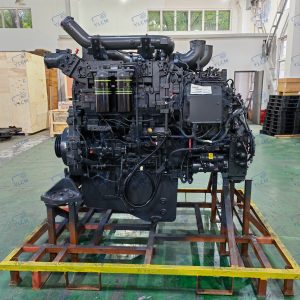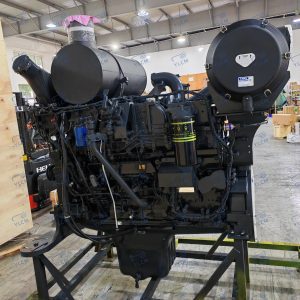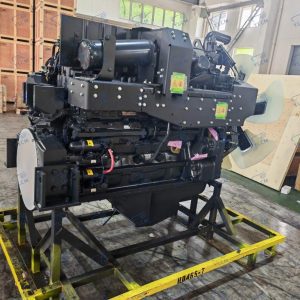

Choosing between genuine and aftermarket Caterpillar Mini Excavator Parts often feels like a gamble. I’ve managed parts procurement for over two decades and have seen both options succeed or fail depending on the supplier behind them. The real differentiator is not the OEM label but the transparency and quality controls of your sourcing partner. With more than 20 OEM and aftermarket manufacturers in our network across China, Japan, Russia, and the US, we’ve found that the best aftermarket parts can match genuine performance when the factory is qualified and parts are inspected correctly. This guide explains how to vet suppliers, compare real costs, and avoid the hidden risks that eat into your bottom line.
Identifying Your Caterpillar Mini Excavator Parts Needs
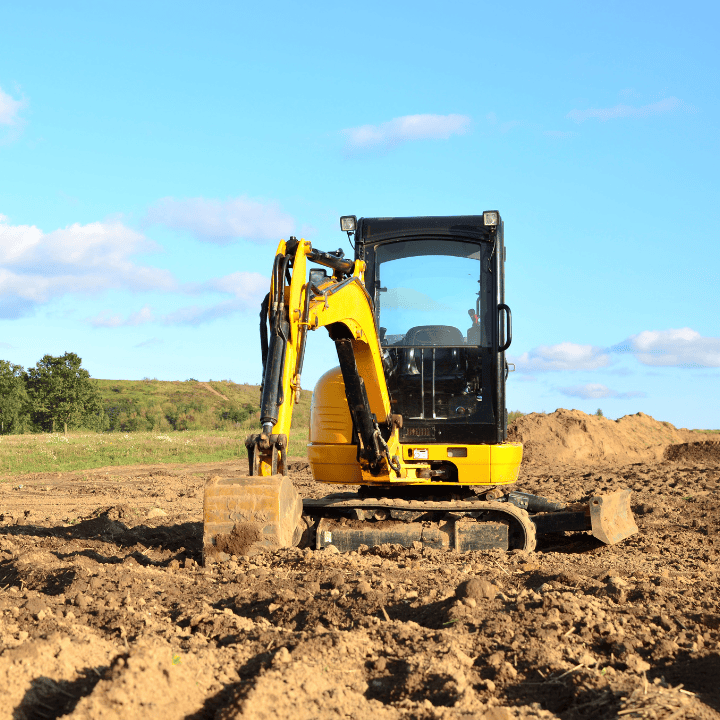
The first step is getting your parts list right. Most buyers think a photo and a model number are enough, but a part number is what actually prevents the wrong shipment. Mini excavators like the Cat 301.5, 302.5, and 303.5 share similar component families, yet detail changes between series mean a hydraulic pump for a 301.5 may not fit a 302.5. I’ve seen orders where a customer sent a picture of a worn bucket tooth and received a generic aftermarket set that didn’t mate with the adapter. That sort of mistake costs time and freight both ways. Before contacting a supplier, gather the exact part number stamped on the original component or the assembly drawing from your machine’s parts catalog. Undercarriage parts, hydraulic cylinders, engine components, and drive motors are all common points of wear, and each has OEM and aftermarket supply options.
Genuine vs Aftermarket: Beyond the Price Tag
The cost gap is what usually starts the discussion. A genuine Caterpillar undercarriage roller might list at three times the aftermarket equivalent, but price alone is a poor decision filter. The table below compares the categories on factors that affect long-term operating cost.
| Factor | Genuine Caterpillar Parts | Quality Aftermarket |
|---|---|---|
| Unit cost | Highest | 40–70% lower typically |
| Lead time | 2–6 weeks, dealer network | 1–4 weeks, often in stock |
| Warranty | Manufacturer-backed, 12 months | Supplier-backed, 6–12 months |
| Fit and finish | Exact OEM spec | Match depends on factory tier |
| Life expectancy | Baseline reference | Equivalent when material grade and heat treatment match |
| Supplier support | Dealer technical line | Direct access to factory engineer |
The real question is which factory produced the aftermarket copy. A competent aftermarket manufacturer reverse‑engineers from the OEM part, uses the specified steel grades, and performs fatigue testing. A low‑cost trader reselling unbranded parts has no quality documentation. If you can audit the supply chain, aftermarket can deliver equivalent performance at a fraction of the cost. The risk concentrates on the supplier, not the part category.
Matching Quality to Application: When to Use Which
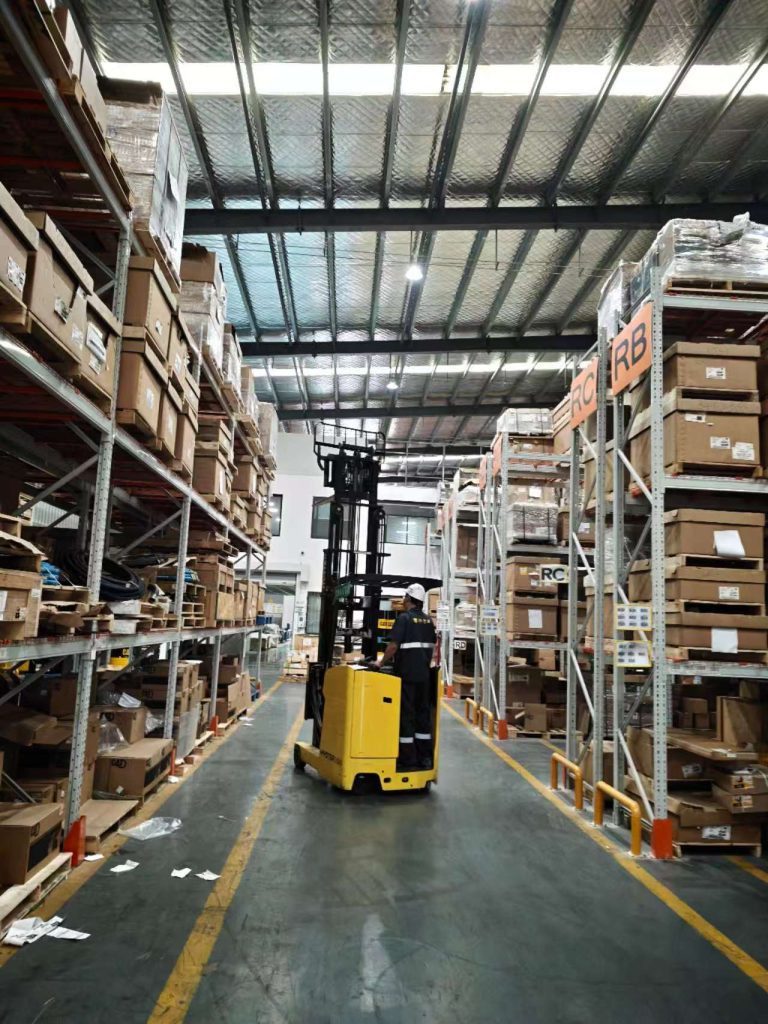
In high‑impact wear parts like bucket teeth and track chains, aftermarket options from a proven source often equal genuine life. For precision components such as fuel injection pumps or turbochargers, genuine parts carry tighter tolerances and may be the safer route unless the aftermarket supplier shares factory test reports. For structural components like booms or arms, genuine is almost always the right call because welding certification and material traceability matter.
Understanding the Manufacturer Network
Many aftermarket parts come from the same casting and forging plants that supply tier‑one OEMs. The difference is the level of inspection. Our experience shows that factories with ISO 9001 and an internal lab for hardness testing produce consistent quality. When a supplier openly shares which factory made the part—and that factory can be visited—aftermarket becomes a manageable risk.
Vetting a Supplier You Can Trust
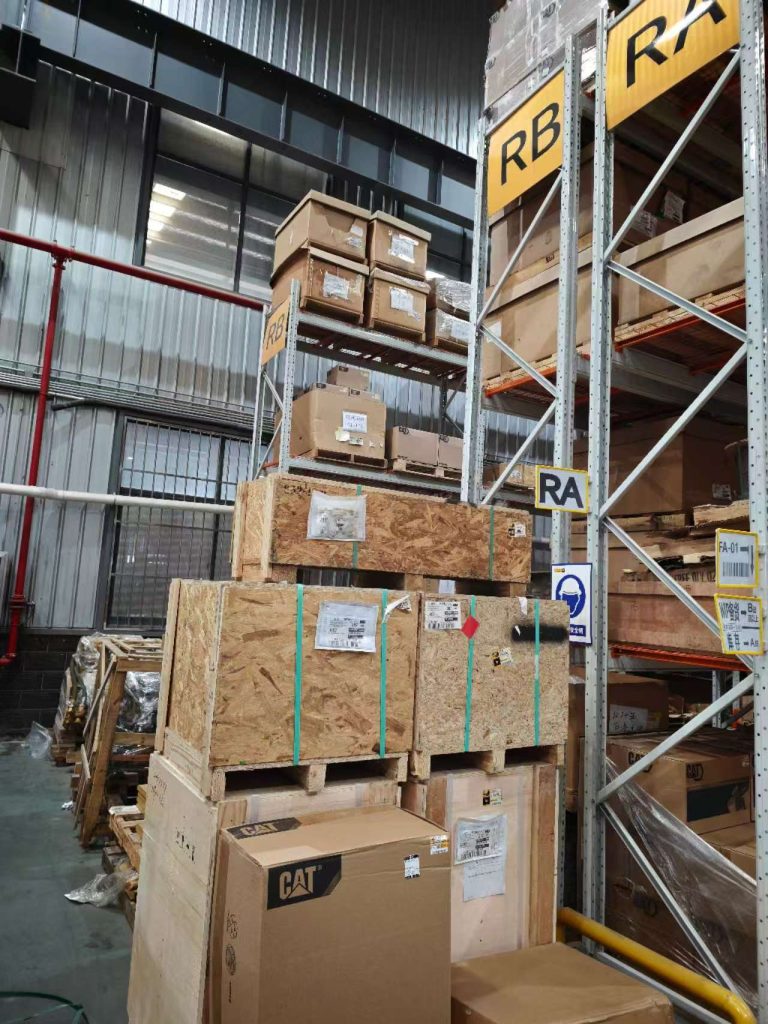
A trustworthy supplier does not hide its sourcing. Over the years, I’ve developed a checklist: factory audit records, material certifications, batch traceability documents, and sample inspection reports. We require all three before listing a part from a new manufacturer. Without them, you are guessing.
Factory Audits and Certifications
Ask for the manufacturer’s ISO 9001, IATF 16949 if automotive‑grade components are involved, or API certificates for undercarriage parts. A factory that refuses to share these credentials is either a trading company or a facility without quality management. We only work with factories that allow on‑site audits; our team has visited over a dozen plants across China and Japan to confirm production capability.
Sample Testing and Traceability
Before shipping any order, request sample photos including the part number stamp and the batch heat number. That heat number lets you trace the steel back to the mill certificate. If the supplier cannot provide it, the part’s metallurgy is unknown. We also hardness‑test random samples from each production lot and keep records for any buyer who asks. That practice has prevented more than one dispute when a customer worried about premature wear.
If your program involves high‑hour operations or warranty‑sensitive components, it’s worth confirming a supplier’s sample test protocol and heat traceability before committing to a bulk order. You can reach us directly at sales@sh-yshuo.com to request sample documentation for any part you’re evaluating.
The Real Costs of Getting It Wrong (and Right)
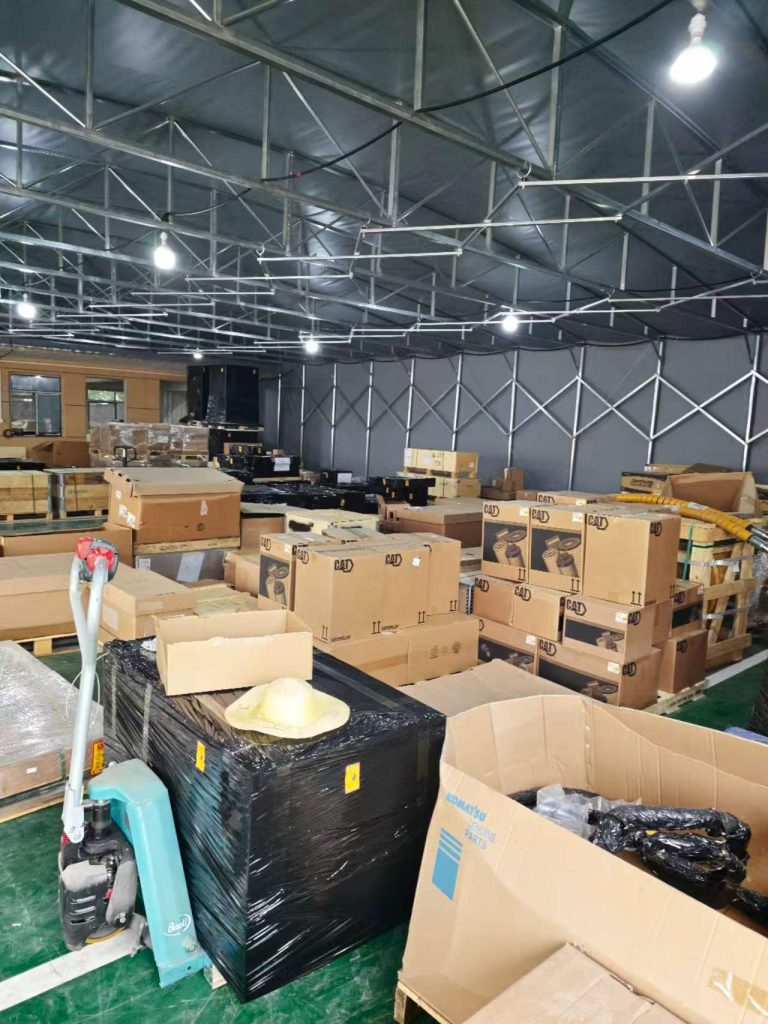
A $200 saving on an aftermarket hydraulic pump becomes irrelevant when a shaft seal leak scores the cylinder bore and the repair bill hits $5,000. I have seen a contractor in Southeast Asia lose three weeks of production because a cheap track tensioner fractured; the supplier disappeared, and the genuine replacement arrived a month later. The hidden costs of a bad part are downtime, labor, and secondary damage. A good supplier, on the other hand, can save you indirect costs through faster lead times. When a machine is down, getting a part in seven days instead of four weeks can be worth far more than the price difference. We keep inventory of high‑demand Cat mini excavator parts like idlers, sprockets, and seal kits, so buyers aren’t forced to choose between price and uptime.
Steps to Sourcing Parts with Confidence
The process I recommend after working with hundreds of buyers is methodical but simple.
Requesting Quotations and Verifying Part Numbers
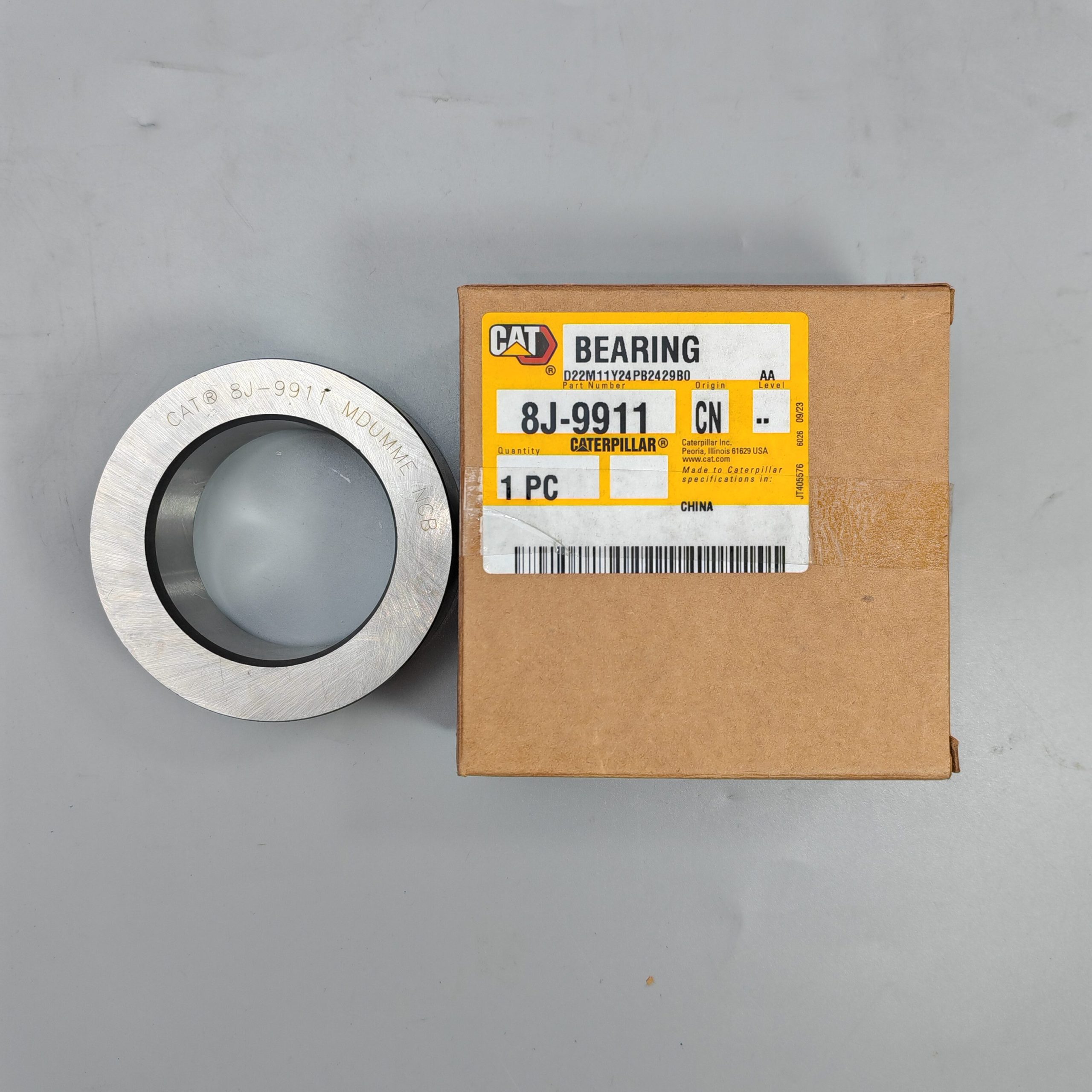
Start by sending the exact Caterpillar part number—not a photo, not a description. A legitimate supplier can cross‑reference the OEM number to their own factory code and confirm whether they offer a genuine or aftermarket option. In our case, we return a quotation with the part number, available brand (OEM or aftermarket), lead time, and a photo of the actual part in stock.
Managing Lead Times and Logistics
For overseas shipments, factor in sea freight consolidation and customs clearance. We see buyers routinely underestimate port delays. Reliable suppliers will give you a realistic door‑to‑door timeline and track the shipment. If a supplier promises delivery in three days from China to the US for a heavy component, that’s a red flag. Start with a small trial order to test the entire logistics chain.
Partnering with a Supplier That Delivers on Its Promise
Downtime on a mini excavator costs real money, and the anxiety of waiting for a part that might be wrong is something every fleet manager understands. We’ve built our business around removing that uncertainty. With direct working relationships at more than 20 OEM and aftermarket factories across four countries, we supply parts with documented quality and realistic lead times. Send your part numbers and quantities to sales@sh-yshuo.com, and we’ll respond with a detailed quotation that includes availability, quality documentation, and shipping options. You can also reach us at +86-21-55800172 for urgent inquiries.
Common Questions About Sourcing Caterpillar Mini Excavator Parts
Are aftermarket parts really as good as genuine Caterpillar parts?
They can be equivalent when produced by a factory using the correct materials and heat treatment. The failure cases we see involve unbranded parts from traders who cannot identify the manufacturing source. A verified supplier with ISO‑certified factories can deliver aftermarket rollers, idlers, or seal kits that last as long as the genuine article. The key is insisting on traceability documents before you buy.
How can I verify that a part is genuinely from an authorized manufacturer?
Request the batch heat number, sample photos, and the factory’s certification. Legitimate manufacturers stamp heat codes on major components. A supplier who pushes back on documentation is worth avoiding. We maintain inspection records of every shipment and share them as a standard part of our quotation process.
What are the risks of using non‑genuine parts in my mini excavator?
The main risk is poor fit or material failure causing secondary damage. A substandard hydraulic pump can send metal particles through the system. When you buy from a reputable supplier that tests samples and stands behind the product, those risks drop to nearly the same level as genuine—often with significant cost savings. Confirming the warranty terms before ordering protects you further.
Is it safe to source Caterpillar parts from overseas?
Safety depends on the supplier, not the geography. Overseas factories produce the same OEM parts Caterpillar sells. The challenge is logistics and communication. Choose a supplier with experience exporting to your region and who provides door‑to‑door tracking. A trial order is the best way to test the water. We’ve shipped to Central Asia, Africa, and Southeast Asia without incident because our packing and documentation meet international standards.
How do I transition from using only genuine parts to adding aftermarket?
Begin with non‑critical wear parts that are easy to inspect, like track shoes or bucket teeth, and place a small test order with a supplier who can provide factory audit reports. If the quality checks out, gradually expand to more complex components. Send us your next parts list at sales@sh-yshuo.com and we’ll help identify where aftermarket makes sense for your operation, with documentation to support every recommendation.
If you’re interested, check out these related articles:
5 Practical Tips for Bobcat 331 Excavator Parts Selection
How to Choose Excavator Undercarriage Parts for Your Machine
Finding Quality 220 Excavator Parts: A Sourcing Strategy