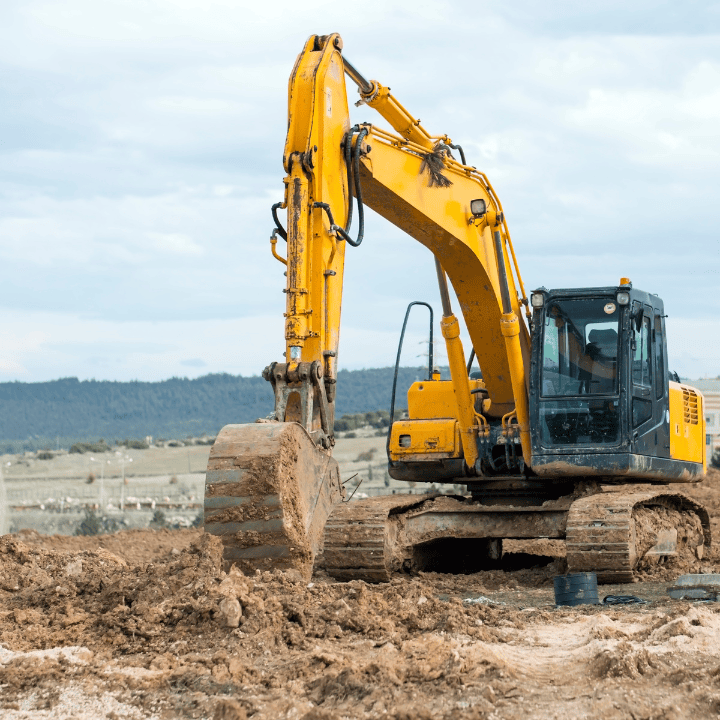

Every fleet manager knows the frustration of replacing an excavator undercarriage component that should have lasted another 1,000 hours. The routine grounds the machine, eats into the maintenance budget, and disrupts site schedules. While lubrication and inspection habits matter, the most overlooked factor in excavator parts maintenance is the quality of the parts themselves. A greasing schedule cannot save a track roller with substandard bearing steel, and no amount of washing will prevent a poorly cast bucket tooth from snapping. With over two decades in the construction machinery supply chain, I have learned that keeping excavator parts in top condition starts not in the service bay, but in the purchasing office.
Identifying High-Wear Excavator Components
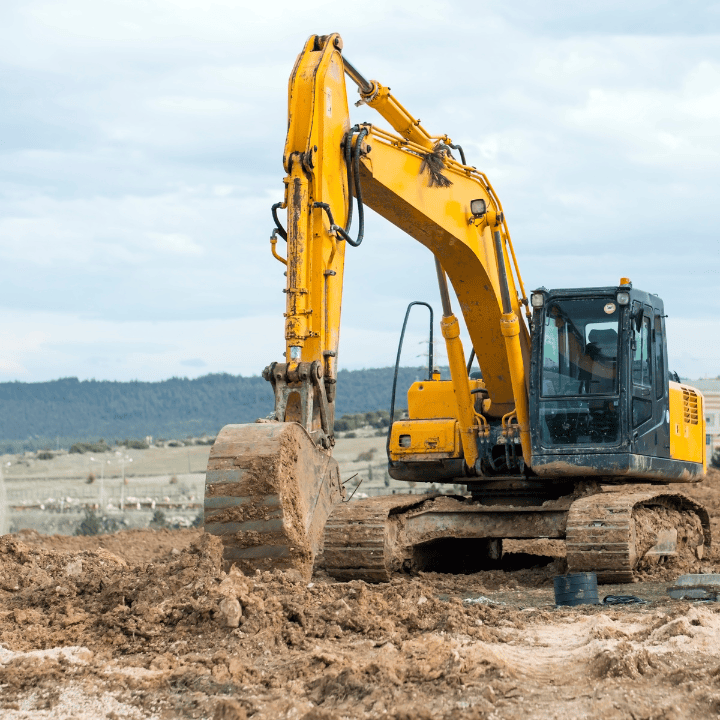
Not all excavator parts wear at the same rate, and knowing which components fail first lets you focus sourcing efforts where they matter most. The undercarriage accounts for a large share of replacement costs: track rollers, idlers, and sprockets degrade through constant abrasive contact with dirt and rock. On the working end, bucket teeth, cutting edges, and adapters face impact and abrasion that can chew through low-grade steel in weeks. Inside the machine, hydraulic cylinder seals degrade from heat and contamination, while engine components like fuel injectors, turbochargers, and cooling system parts wear steadily under load.
These failure points are well known. What is less discussed is how dramatically the replacement part’s manufacturing quality shifts the wear curve. Two track rollers with the same part number can have a lifespan difference of three to one if one uses induction-hardened bearing steel and the other uses an unhardened substitute. In my years at Komatsu and now at Yanli, I have repeatedly seen fleets burn through aftermarket rollers in half the expected hours because the buyer treated the part number as the only specification that mattered.
The Financial Impact of Low-Quality Parts
The cost of a cheap part never stays at the invoice price. It multiplies through labor to replace it again, the lost production while the machine sits idle, and the damage it causes to adjoining components. A seal that fails early contaminates the hydraulic oil, potentially damaging the pump and valves far beyond the seal’s modest cost.
| Part Type | Low-Quality Life | Quality Life | Replacement Cost | Downtime Loss per Incident |
|---|---|---|---|---|
| Track Roller | 800 hours | 2,000 hours | $400 | $600 |
| Bucket Tooth | 300 hours | 600 hours | $50 | $150 |
| Hydraulic Seal Kit | 500 hours | 1,500 hours | $200 | $800 |
Over a five-year operating window, repeatedly replacing low-quality parts can triple the total spend on a single wear component and double the unscheduled downtime that pushes projects past deadlines. A mining operator in Kazakhstan learned this the hard way. Their fleet used aftermarket idlers sourced from a factory with no ISO certification, averaging 600 hours instead of the expected 1,200. After we guided them toward a verified manufacturer using GCr15 bearing steel and documented heat treatment, idler life climbed past 1,800 hours. The initial price difference was around 15 percent; the total cost of ownership swung decisively toward the quality option within the first year.
Key Indicators for Sourcing Durable Excavator Parts
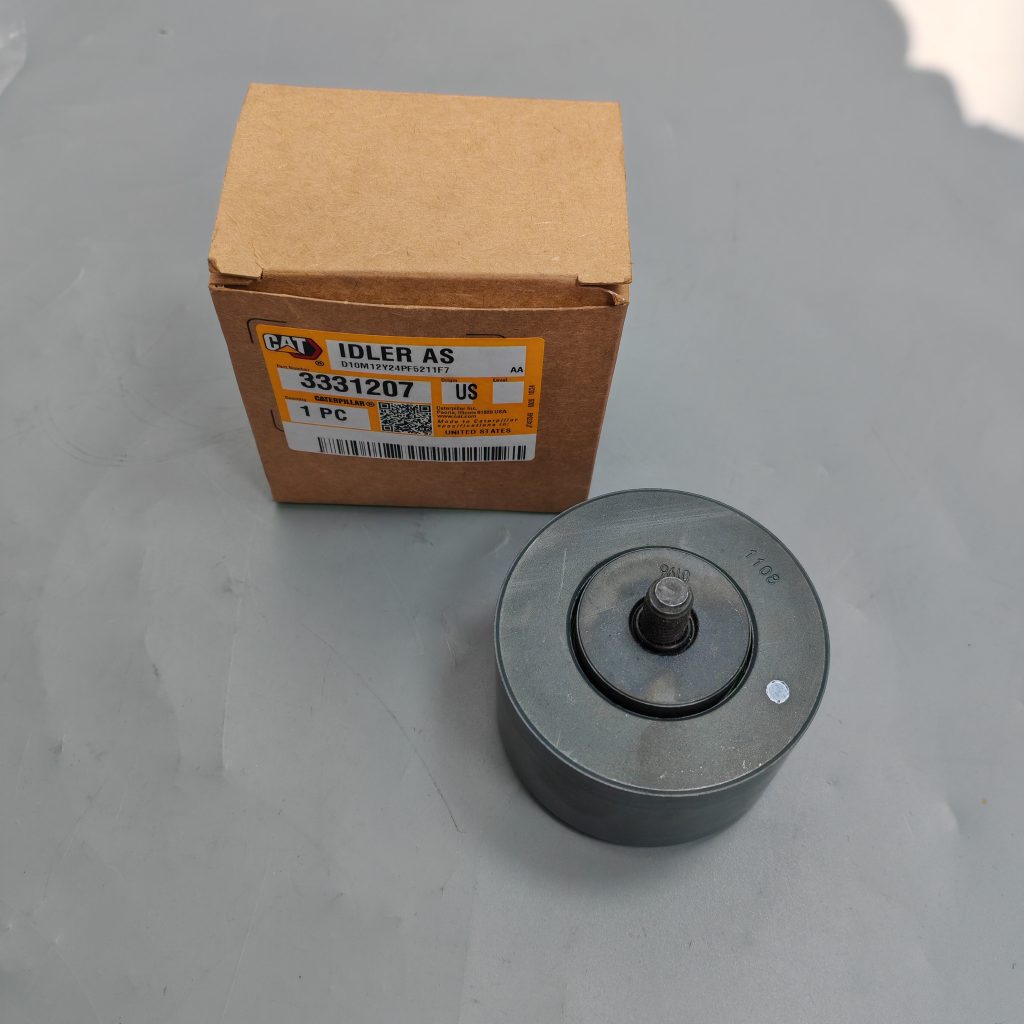
A part stamped with a familiar OEM number means nothing if the heat treatment was skipped. The real differentiator is whether the supplier can prove what went into the part and how it was made. Three documents tell the story: a raw material test certificate showing the steel grade and composition, a hardness test report confirming surface or core hardness values after heat treatment, and an OEM cross-reference that traces the part design to the original equipment specification.
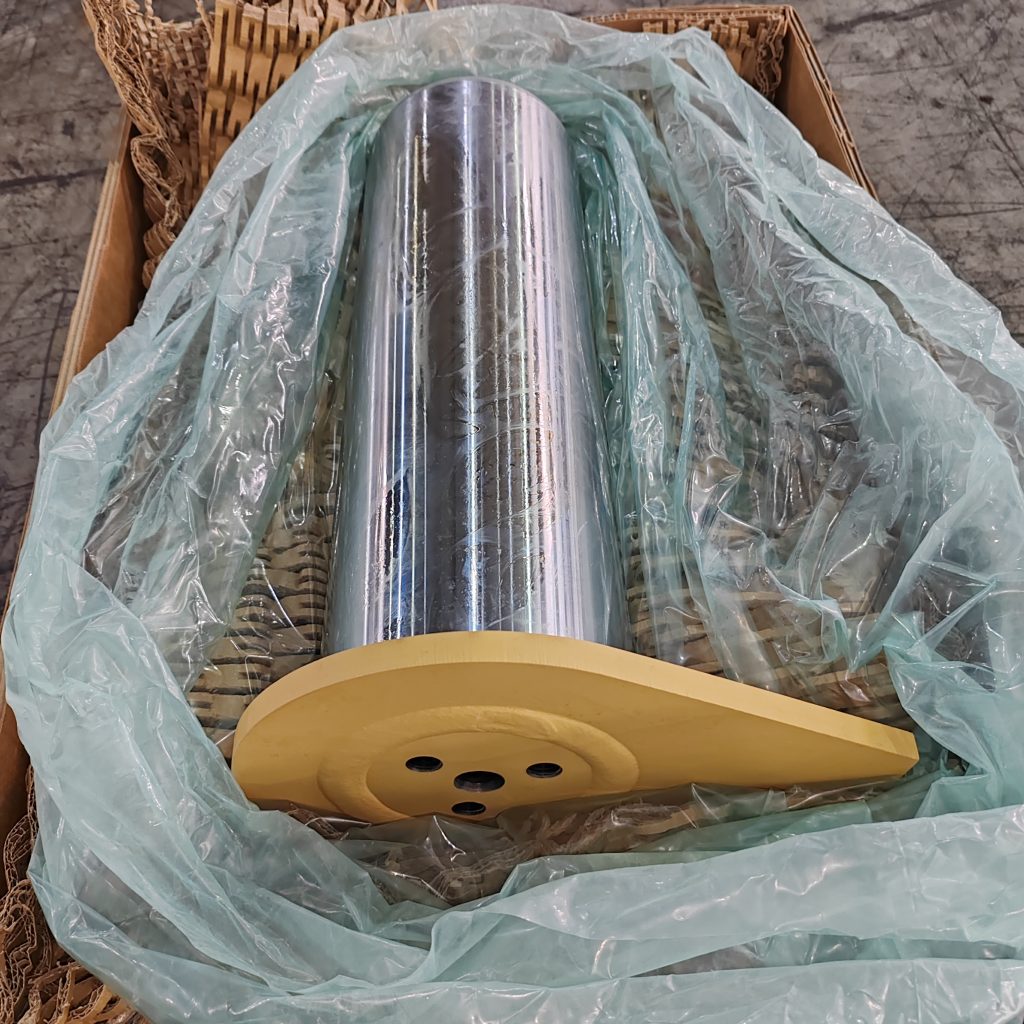
In our supply chain, we require material certificates for all structural and wear components and third-party hardness reports for critical items like pins, bushings, and rollers. Without these, the buyer is gambling. I have seen gears that passed visual inspection but failed within 400 hours because the specification called for 20CrMnTi carburized steel and the factory substituted a lower-alloy material that could not carry the load.
If your operation relies on a handful of critical part numbers, it is worth verifying the quality controls behind those components before your next order. We regularly review specifications with customers to confirm that the part they are buying will meet the demands of their job site. Reach out at [email protected] with your part numbers and we can review what quality documentation should accompany them.
Maintenance Strategies That Complement Quality Parts
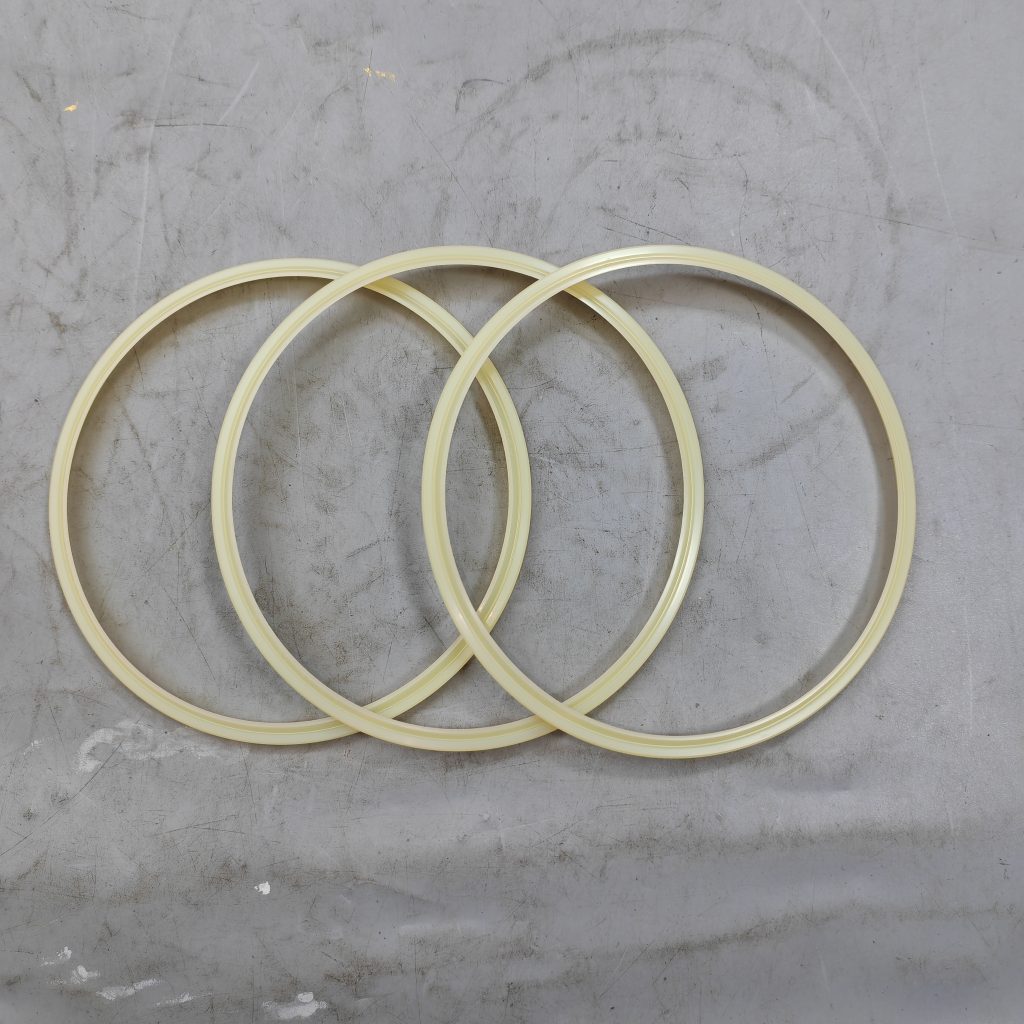
A well-sourced part still needs basic care to deliver its full lifespan. Daily visual inspections catch early cracks in buckets and booms. Proper grease intervals, using the correct grade, prevent metal-on-metal wear in pins and bushings. Track tension checks every 50 operating hours stop accelerated sprocket and idler wear. Yet these practices are force multipliers, not substitutes. A final drive built with hardened gears and quality seals will survive a missed oil change far better than one using inferior materials. Maintenance protects the investment you already made in good parts.
The real advantage appears when you combine both. A fleet that runs quality undercarriage components and follows a disciplined inspection schedule can stretch replacement intervals from 800 hours to beyond 2,000. The same maintenance routine applied to poor parts might only add a few hundred hours. The ceiling is set by the part, not the grease gun.
Establishing a Reliable Parts Supply Chain
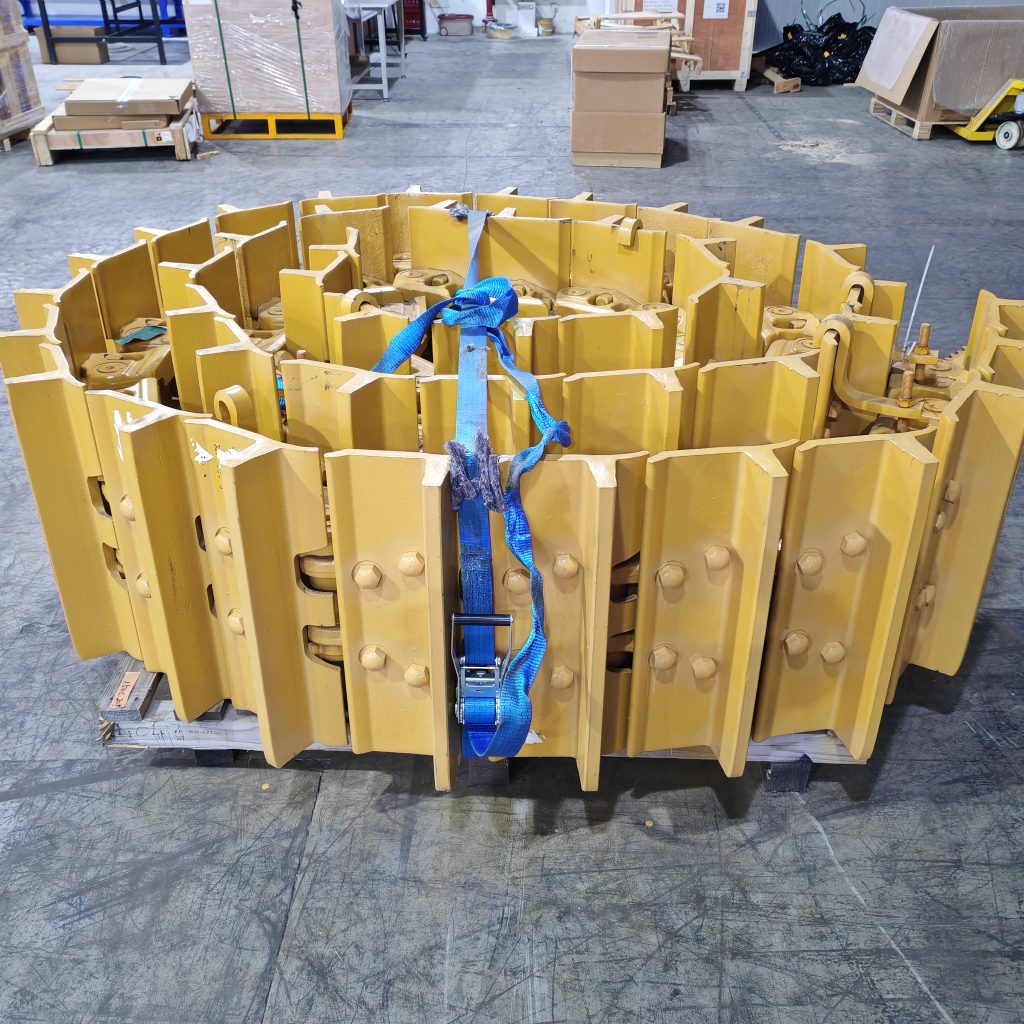
A one-off purchase from an unverified supplier exposes you to the quality roulette described above. Building a relationship with a parts partner who understands your fleet’s workload and has direct ties to audited manufacturers turns sourcing into a predictable process. That partner should be able to tell you which foundry cast the bucket tooth, which bearing grade was used in the roller, and how the seal compound was tested. Shanghai Yanli maintains partnerships with over 20 OEM and aftermarket manufacturers across China, Japan, Russia, and the USA. This network lets us trace components back to their production lots and verify specifications before shipment.
When a mining fleet in Central Asia needed to standardize undercarriage parts across mixed Komatsu and Cat excavators, we consolidated their top 30 part numbers, sourced from two vetted factories with ISO 9001 certification, and established a quarterly delivery schedule. The result was a 40 percent reduction in unplanned downtime in the first year. The parts were not the cheapest on the market, but the reliability they delivered lowered the total cost of operation.
Securing Long-Term Parts Performance
The difference between an excavator that runs two shifts without a breakdown and one that bleeds downtime hour after hour often comes down to the parts you put on it. Maintenance will always be part of the equation, but the parts themselves set the ceiling. If your current supply chain is not delivering the component life you need, a second look at sourcing might be the answer. For a no-obligation discussion about your most critical excavator part numbers, contact us at +86-21-55800172 or [email protected] and share your requirements. We will confirm material specifications and availability and help you make a decision grounded in real supply chain data, not marketing claims.
Common Questions About Excavator Parts Longevity
How often should I replace excavator undercarriage parts?
Replace undercarriage components when wear measurements reach the manufacturer’s service limits, not on a fixed calendar schedule. Track rollers and idlers often need replacement between 2,000 and 4,000 hours on abrasive sites, but this window narrows sharply if the parts were not induction-hardened. Regular measurement with a wear gauge gives the only reliable trigger. If your parts are wearing out below the low end of this range despite proper tension and cleaning, the material quality is usually the culprit.
Are OEM excavator parts always better than aftermarket?
Not always. Some aftermarket manufacturers use equivalent or better materials than OEM, and their testing matches or exceeds the original specification. The key is documentation. An aftermarket supplier who can provide a material certificate and hardness report is often a safer choice than a gray-market OEM part with no traceability. We have seen aftermarket rollers with GCr15 steel outlast genuine parts that were produced for a lower-cost region with a different steel specification.
What documentation should I request when buying aftermarket parts?
Ask for a material test certificate showing the chemical composition and mechanical properties of the steel, a hardness test report for heat-treated components, and a dimensional inspection report confirming the part matches the OEM drawing. For hydraulic seals, request the compound datasheet and pressure test results. A reputable supplier will supply these without hesitation. If the answer is vague, walk away.
Can I mix OEM and aftermarket parts on the same machine?
Yes, as long as each part meets the required engineering specification. Many fleets run OEM engine components and aftermarket undercarriage parts simultaneously. The risk arises when a substandard part creates a cascading failure. A cheap idler that seizes can throw the track and damage the final drive. As long as every part’s quality is verified, mixing sources is a standard cost-control practice.
How do I verify a supplier’s quality claims?
Request ISO 9001 or IATF 16949 certifications, ask for a sample lot with accompanying test reports, and check the supplier’s factory audit history with customers in your region. A supplier who hesitates to share this information is not one you want in your supply chain. Share your critical part numbers and we can help confirm what compliance documentation should be available before you commit.
If you’re interested, check out these related articles:
Sourcing Quality Kubota Mini Excavator Parts Step by Step
Link-Belt Excavator Parts Lookup: Your 2026 Sourcing Guide
How to Choose Excavator Undercarriage Parts for Your Machine