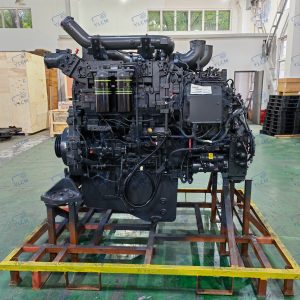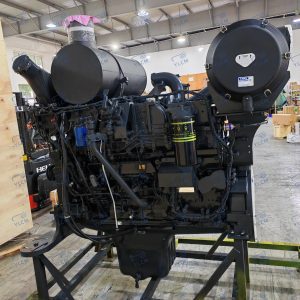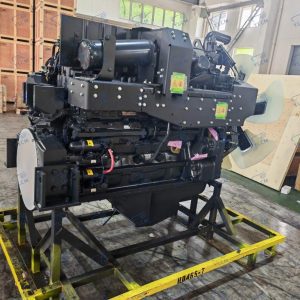

Main parts of an excavator determine how reliably the machine performs under daily stress. With over two decades in the heavy equipment parts supply chain, I have seen how a single failed hydraulic pump or a worn track roller can stop an entire project. Understanding these components and how they work helps fleet managers, repair technicians, and procurement specialists make better replacement decisions. This article explains the essential excavator parts, their functions, and the practical factors that influence parts sourcing.
Excavator Undercarriage: Core Components and Their Roles
The undercarriage supports the machine’s weight and provides traction. Its main parts include the track shoes, track chain, sprocket, idler, top and bottom rollers, and the final drive with travel motor. The track shoes bolt onto the chain and come in different widths for various ground conditions. The sprocket drives the track, while the idler and rollers guide and support it. Over time, these components wear from abrasion and heavy loads. I recall a mining operation where premature idler wear caused the track to loosen, leading to derailment and a three-day repair. Regular inspection of roller seals and sprocket teeth is critical. The final drive, which includes the travel motor and gear reduction, converts hydraulic power into track movement. When replacing undercarriage parts, always check the manufacturer’s specifications for pin and bushing dimensions.
| Component | Function | Common Wear Signs |
|---|---|---|
| Track Shoe | Provides ground contact and traction | Worn grouser bars, cracking |
| Track Chain | Links shoes together and engages sprocket | Elongation, pin wear |
| Sprocket | Drives the track chain | Worn teeth, uneven wear |
| Idler | Tensions and guides the front of the track | Leakage, worn surface |
| Rollers | Support the machine weight on the track frame | Oil leaks, flat spots |
| Final Drive | Transmits hydraulic power to the track | Noise, oil contamination |
The Upper Structure: House, Cab, and Swing System
The upper structure, often called the house, holds the engine, hydraulic components, and operator station. The cab provides visibility and protection, and its design affects operator comfort and productivity. The swing system consists of a swing bearing and swing motor, allowing the house to rotate 360 degrees. A worn swing bearing can cause excessive play and uneven rotation, while a failing swing motor may produce jerky movements. Many operators overlook swing bearing maintenance until performance degrades, leading to costly replacements. The counterweight at the rear balances the machine during lifting and digging. When sourcing cab components like seats, monitors, or control joysticks, ensure compatibility with the specific model year, as electrical harness configurations can vary.
Excavator Work Equipment: Boom, Arm, Bucket, and Attachments
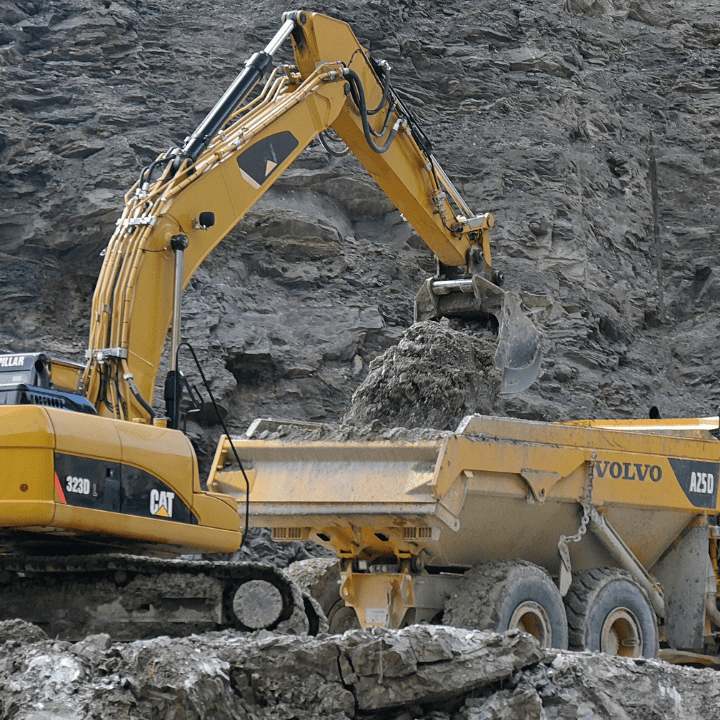
The excavator’s work equipment includes the boom, arm (stick), bucket, and the associated hydraulic cylinders. The boom attaches to the house and lifts the arm and bucket. The arm extends the reach, and the bucket performs the actual digging. Hydraulic cylinders for boom, arm, and bucket provide the necessary force. Bucket teeth and cutting edges wear quickly, especially in rocky ground. Using aftermarket bucket teeth made of high-manganese steel can extend replacement intervals without a large cost increase. Attachments like hydraulic breakers, grapples, and rippers connect to the arm via a quick coupler, increasing versatility. When ordering these parts, verify pin diameters and bushing sizes to avoid fitment issues.
Hydraulic System: The Excavator’s Power Network
The hydraulic system converts engine power into controlled movements. The main hydraulic pump, typically a variable-displacement axial piston pump, delivers oil to the control valve. This valve directs flow to the cylinders and motors based on joystick commands. The pump’s internal components, such as piston shoes, swash plate, and cylinder block, must maintain tight tolerances to avoid efficiency loss. Contaminated hydraulic oil is the leading cause of pump failure. Regular filter changes and oil sampling reduce the risk. If your hydraulic pump shows symptoms like slow cycle times or overheating, addressing the issue early can prevent damage to valves and cylinders.
If your hydraulic pump is underperforming and you need a reliable replacement, sharing your machine model and current pump number with us can help confirm the correct specification before you order. Contact [email protected].
The hoses and fittings also require periodic inspection for cracks and abrasion.
Excavator Main Parts: Practical Sourcing Considerations
When purchasing excavator main parts, fleet managers must balance cost, quality, and lead time. OEM parts offer exact fit and manufacturer warranty but come at a premium. Aftermarket parts can provide substantial savings, often 30 to 50 percent, with comparable performance when sourced from reputable manufacturers. However, variation in material quality and machining precision exists. I have seen aftermarket hydraulic pumps fail within months because the swash plate material did not meet OEM hardness specs. Requesting material certifications and test reports from the supplier reduces this risk. Part number verification is essential; even a single digit error can lead to incompatible components. Use the machine’s serial number, not just the model, when looking up parts.
Another critical factor is the supplier’s track record. A supplier with direct factory relationships and a quality inspection process can ship parts faster and with greater consistency. For example, Shanghai Yanli works with over 20 OEM and aftermarket manufacturers across China, Japan, Russia, and the USA, allowing us to offer competitive prices while maintaining reliability.
| Aspect | OEM Parts | Aftermarket Parts |
|---|---|---|
| Fitment | Exact match to original specs | May need verification; high-quality ones match |
| Price | Higher | Lower, often 30–50% less |
| Warranty | Manufacturer warranty | Varies; reputable suppliers offer warranty |
| Availability | Limited to dealer network | Broader, can be stocked by multiple sources |
| Material Quality | Consistent | Varies; need to verify specs |
Why Supplier Experience Matters for Your Next Parts Order
Sourcing critical excavator components from an experienced supplier can mean the difference between a few days of downtime and weeks of project delay. Aftermarket parts quality, lead time, and compatibility all depend on the supplier’s knowledge and inspection rigor. At Shanghai Yanli, we draw on 22 years of heavy equipment parts expertise to help fleet operators get the right components at competitive prices. To request a quote, send your part numbers and machine model to [email protected] or call +86-21-55800172. We will confirm availability, pricing, and shipping options.
Common Questions About Excavator Parts Sourcing
How do I identify the correct part number for my excavator?
Use the machine’s serial number plate, often located on the cab frame or engine compartment. Part numbers are model-specific, and variations exist between markets. I always recommend checking the official parts catalog for your machine’s serial number range. If you do not have the catalog, providing the serial number to a knowledgeable supplier can help them cross-reference the correct part.
What is the difference between OEM and aftermarket excavator parts?
OEM parts are made by the original equipment manufacturer and carry the same warranty and specifications as the factory-installed components. Aftermarket parts are produced by independent manufacturers and can match OEM quality if the manufacturer uses equivalent materials and processes. The price difference can be significant, but not all aftermarket parts are equal. Requesting test certificates helps verify quality.
Which excavator parts require the most frequent replacement?
Wear parts such as bucket teeth, track shoes, rollers, idlers, and hydraulic seals need regular attention. Hydraulic hoses also degrade from heat and pressure cycles. In mining applications, undercarriage parts may need replacement every 2,000 to 3,000 hours, while bucket teeth might last only a few hundred hours in abrasive conditions. Keeping a stock of these high-wear items reduces downtime.
How can I verify the quality of aftermarket parts from a supplier?
Ask for material certifications, hardness test reports, and dimensional inspection data. Reputable suppliers will also provide references from previous clients. A factory audit or third-party inspection before shipment adds another layer of assurance. If the supplier is unwilling to share test data, consider that a red flag.
What information do I need to provide when ordering excavator parts?
Supply the machine model, serial number, part number if known, and quantity. Photos of the existing part and its data plate can help confirm the correct item. Also specify any special requirements such as coating, packaging, or certification. Clear communication upfront prevents costly returns. If you are unsure about the exact part you need, email us your machine details and a description of the issue, and we will help you identify the correct component.
If you’re interested, check out these related articles:
Common Mini Excavator Bucket Parts and Replacement Choices
Safe Shipping Excavator Parts: Protecting Your Heavy Machinery Investment
How to Buy Doosan Excavator Parts Online: A Smart Procurement Guide
How to Choose Aftermarket Engine Parts for Bobcat Excavators