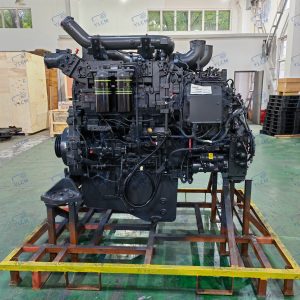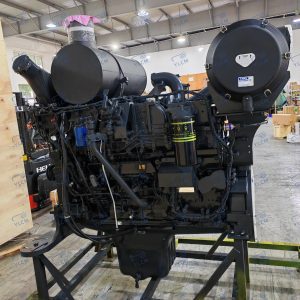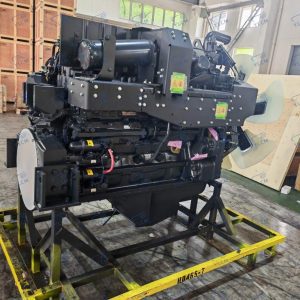

AGT excavator parts hold up longest when maintenance focuses on the conditions that create wear, heat, and contamination before a failure shows up in the machine. The practical goal is not to service every item at the same time, but to split the work into clear checks around the hydraulic system, undercarriage, engine support components, and load-bearing joints. Use the AGT operation manual as the primary schedule, then adjust the interval by operating hours, dust, moisture, and attachment use. The seven steps below give owners and repair teams a repeatable inspection path that catches small problems before they become expensive parts replacements.
1. Build the Service Schedule from the AGT Manual
Start with the model-specific service chart, not a generic excavator checklist. The AGT manual identifies which items are checked daily, which are serviced at scheduled intervals, and which require replacement based on measured wear. Record operating hours, job-site conditions, and any attachment changes in the same log. Dusty or wet sites shorten the useful life of filters, pins, and electrical connections, so those conditions should move some inspections earlier. If the machine changes attachments often, add a check for the auxiliary hydraulic connections and mounting points before each shift.
| Maintenance area | What to inspect | Warning sign | Action |
|---|---|---|---|
| Hydraulic system | Oil level, color, filter condition, hose surfaces | Milky or darkened oil, wet fittings, slow response | Stop operation, find the leak or contamination source, and replace the filter and oil as required |
| Engine support | Air filter, fuel separator, coolant level, belt condition | Restricted airflow, water in separator, rising temperature | Clean or replace the filter, drain the separator, and inspect the cooling system |
| Undercarriage | Track tension, shoe bolts, roller and idler condition | Loose shoes, uneven track wear, side play | Adjust tension, torque bolts, and replace worn components before track damage |
| Grease points | Pins, bushings, swing and work equipment joints | Dry joints, squealing, visible play | Clean the fitting, grease until fresh grease appears, and inspect the bushing |
| Fasteners and guards | Bolts, mounts, guards, covers | Missing bolts, cracked guards, vibration marks | Replace or torque to the manual specification |
| Electrical connections | Harness routing, connectors, battery cables | Chafing, corrosion, intermittent signals | Clean, secure, and protect connections |
2. Protect the Hydraulic System from Contamination
Much of the AGT excavator part wear in the hydraulic system starts as contamination, overheating, or a slow leak rather than a sudden component failure. Check hydraulic oil level with the machine on level ground in the position shown in the manual, and inspect the oil for color changes, foam, or a milky appearance. Particles entering through worn cylinder seals, dirty quick couplers, or open reservoirs can score pumps, valves, and motors, and the repair cost spreads across multiple parts. Replace filters as a set when the maintenance schedule calls for it, and clean the area around the filler cap before opening the tank. If a hose is cracked, swollen, or damp at the fitting, replace it before the leak removes enough oil to reduce cooling and lubrication.
A slow hydraulic leak or a pump that loses response can turn a simple filter service into a sourcing decision. <Excavator Hydraulic Pumps Near Me: 5 Expert Sourcing Tips> covers hydraulic pump supply checks that help buyers compare options before downtime grows.
3. Inspect the Undercarriage Before Wear Becomes Expensive
The undercarriage carries the entire machine through mud, rock, and uneven ground, and small misalignment becomes rapid wear when tension is wrong. Inspect track tension with the AGT manual’s measurement method, and check for missing or loose track shoe bolts, uneven shoe wear, cracks, and side play in the rollers and idlers. Clean packed mud and stones from the track frame before the machine is parked, because hardened debris adds point loads and hides early damage. If the sprocket teeth are hooked or the roller surfaces are scalloped, measure the parts before the wear pattern transfers to the track chain and pins. An undercarriage problem is usually cheaper to correct when the first component shows measurable wear than after it has changed the way several connected components run.
Undercarriage wear moves through rollers, idlers, sprockets, and track chain together, so a replacement decision is rarely about one part alone. <How to Choose Excavator Undercarriage Parts for Your Machine> covers selection factors that help buyers match components to site conditions and machine hours.
4. Keep Engine Air, Fuel, and Cooling Systems Clean
Dust and moisture are the two conditions that shorten engine support component life most often on small excavators. The air filter should be checked before the machine starts in a dusty environment, and the dust cup or precleaner emptied before restriction builds. Contaminated fuel damages injectors and pumps, so drain the water separator at the interval in the AGT manual and replace fuel filters with clean hands and clean containers. The cooling system should hold the correct coolant level without frequent top-ups; a repeated need for coolant points to a leak, a damaged cap, or a developing head-gasket problem. Keep the radiator, oil cooler, and condenser fins clear of dust and packed material, because blocked airflow raises oil and coolant temperatures even when the fan and belts are working.
5. Grease Pins and Bushings on a Repeatable Route
Grease is not only a lubricant; it also creates a clean barrier that pushes dirt and moisture out of pin and bushing joints. Use the grease type stated in the AGT manual and follow the same sequence every service so no hidden fitting is missed. Wipe each fitting before greasing, pump until fresh grease appears at the joint seal where the manual calls for it, and record any joint that will not take grease. A dry pin wears the bushing, and the resulting play changes the load path through the boom, arm, bucket linkage, and attachment mounting points. When a fitting is damaged or blocked, replace it rather than skipping the point, because a skipped grease point becomes a measurement problem later.
6. Check Fasteners, Hoses, and Electrical Connections
Loose fasteners, chafed hoses, and corroded connectors are frequent avoidable failures on machines that work in vibration-heavy conditions. A visual route should include boom and arm mounts, swing and drive bolts, guard supports, and the bolts around the operator station. Look for rust trails, worn paint edges, or movement around washers, which can indicate a fastener that has loosened under load. Hoses should be routed in their intended clamps and not touching sharp edges, moving parts, or hot surfaces. For electrical systems, check that harness sections are protected, connectors are dry, and warning lights or intermittent functions are written down with the conditions when they occurred. An unresolved intermittent signal is an inspection task, not an automatic parts replacement.
7. Source Parts with Model and Application Data Ready
The fastest way to turn a maintenance finding into a repair is to supply the full AGT model, serial number, and the part number when one is visible. Many AGT parts have compatible alternatives, but the correct match depends on the machine series, engine type, hydraulic configuration, and attachment use. Before ordering a repair part, record the old component’s number, take clear photos of the data plate and mounting area, and note any modifications or previous replacements. This prevents a similar-looking part from fitting the bolt pattern but failing in the operating range. Shanghai Yanli Construction Machinery Co., Ltd. can help confirm a cross-reference and shipping lead time when the correct AGT match is not obvious.
Replacement parts should be checked for fitment, documentation, and after-delivery support, not just price. <How to Replace Nissan Excavator Parts Effectively> covers replacement steps that help buyers reduce fitment mistakes and early-wear problems.
Next Maintenance Step: Build a Parts and Service Plan
Turn the inspection findings into a short parts and service plan. List the AGT model and serial number, the component condition, the required part number, and the site operating conditions that affect the replacement choice. Send that list to sales@sh-yshuo.com or call +86-21-55800172, and our team can help verify the correct AGT parts and a supply schedule for planned maintenance or urgent repairs. The goal is to keep the machine working predictably, not to replace parts on guesswork.
FAQ
How often should AGT excavator grease points be serviced?
Use the manual’s base interval and shorten it when work is dusty, wet, or hammer-heavy. Grease the boom, arm, bucket, and attachment joints on a repeatable route, and add a shot after washing or deep mud work. The important check is not only adding grease but seeing which joints will not accept grease or show play, because those need cleaning or bushing inspection.
Can aftermarket parts be used on an AGT excavator?
Yes, when the supplier confirms fitment by the AGT model, serial number, and old part number rather than by appearance alone. Some aftermarket parts equal or exceed OEM specifications, while others differ in material or dimensional control. The safest approach is to verify the critical dimensions, hydraulic ratings, and warranty terms against the manual before the machine is opened for replacement.
What causes AGT excavator hydraulic oil to overheat?
Common causes are low oil level, a blocked cooler or radiator, a restricted filter, a relief valve that remains open, or internal leakage through a worn pump or valve. Check the easiest causes first: clean the cooler fins, confirm the oil level, and inspect the filter. If the temperature remains high under normal load, test the hydraulic circuit before replacing the pump, because overheating can be a symptom of several different faults.
How do I know when an undercarriage part should be replaced?
Replace a roller, idler, sprocket, or track component when measured wear reaches the AGT manual limit, not only when the part is visibly broken. Look for hooked sprocket teeth, scalloped roller surfaces, uneven shoe wear, loose pins, and side play. A single worn component can accelerate wear on the track chain, so early measurement usually costs less than waiting for the failure to spread.
If you’re interested, check out these related articles:
How to Buy Doosan Excavator Parts Online: A Smart Procurement Guide
DAEWOO Throttle Motor 523-00006: Function, Faults, and Replacement