
Understanding excavator parts and their functions is the first step to avoiding costly sourcing mistakes. When a machine goes down, the difference between a two‑day fix and a two‑week delay often comes down to whether the buyer knew exactly what part to ask for and why it mattered. I’ve seen too many procurement teams order the wrong cylinder or a mismatched track shoe simply because they relied on a part number without understanding the component’s role. This guide breaks down the main excavator parts by system, explains what each does, and shows how a functional perspective can lead to faster, more reliable sourcing decisions.
Key Excavator Parts and What They Do
An excavator consists of three main sections: the undercarriage, the upper structure, and the front attachment. The undercarriage includes the tracks, sprockets, idlers, and rollers, which let the machine travel and provide a stable base. The upper structure houses the engine, hydraulic pumps, cab, and swing system. The front attachment typically comprises the boom, arm, and bucket, though it can be swapped for breakers, grapples, or other tools. Every part works in sequence, so knowing the function of each group helps you quickly identify which component needs attention when performance drops.
Undercarriage Parts and Their Functions
The undercarriage is the most wear‑prone area of an excavator and directly affects operating cost per hour. Track shoes provide flotation and traction. The drive sprocket transfers power from the travel motor to the track chain. The idler at the front guides the track and maintains tension. Top and bottom rollers support the machine weight and keep the track aligned. When a track shoe cracks or a roller seizes, the machine can still work, but the extra load on other components accelerates wear. I’ve found that procurement teams who understand these interactions are better at ordering the right undercarriage parts kits before failures cascade.
Replacing an idler without checking the track link condition often leads to a second failure within months. A good supplier will ask about the machine’s working conditions before quoting a part, because rocky terrain demands different undercarriage specs than soft clay. For a deeper breakdown of each component, refer to our guide on Understanding Excavator Undercarriage Parts and Their Roles.
Hydraulic System Components and Roles
The hydraulic system moves the boom, arm, bucket, and swing motor. At its heart, the main hydraulic pump converts engine rotation into high‑pressure oil flow. The main control valve directs that flow to the correct cylinder or motor. Boom cylinders raise the boom, arm cylinders control the stick, and bucket cylinders open and close the bucket. The swing motor rotates the upper structure, while the final drive transmits torque to the tracks. Each component has a specific pressure and flow rating. Choosing a replacement hydraulic pump or cylinder without matching those specs leads to slow motion, overheating, or seal blowouts.
I’ve seen a contractor install an aftermarket swing motor that fit the mount but had a different displacement. The machine swung 20% slower, cutting daily production. The function of the part, not just its part number, determines compatibility. When selecting pump couplings, the same rule applies. See our practical guide on How to Choose the Right Hydraulic Pump Coupling for Your System.
If your excavator’s hydraulic system shows slow response or erratic movement, it is worth confirming the pump’s output pressure before ordering a replacement. Our team can help you interpret machine data and recommend the correct pump or seal kit. Reach out at [email protected].

Engine and Powertrain Parts Overview
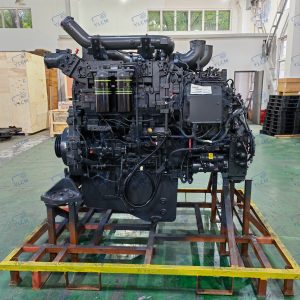
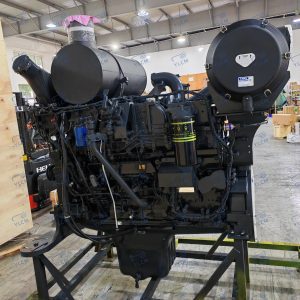
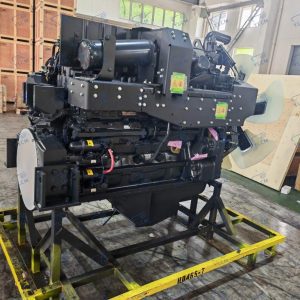
The engine is the excavator’s power source, typically a diesel unit with a turbocharger. Key service parts include the water pump, alternator, starter motor, and radiator. The fan belt drives the cooling fan and alternator; if it snaps, the engine overheats quickly. The air cleaner and fuel filters protect internal components from dirt. Understanding these functions lets you spot failing parts early, like a starter that cranks slower than normal. In urgent procurement situations, these are the parts our team is asked about most often.
| Part | Function | Common Failure Sign |
|---|---|---|
| Water Pump | Circulates coolant through the engine | Overheating at idle, coolant leaks |
| Alternator | Charges battery and powers electronics | Dim lights, battery warning lamp on |
| Starter Motor | Cranks the engine | Slow or no crank, clicking sound |
| Turbocharger | Boosts engine power by compressing intake air | Black smoke, power loss |
| Fan Belt | Drives the cooling fan and alternator | Squealing, battery discharge, overheating |
How Part Functions Influence Sourcing Decisions
This is where a purely catalog‑based approach fails. When you know that a track roller uses a specific grease type and has a sealed lifetime design, you can ask the right questions. A cheap roller that lacks proper sealing will fail early in muddy conditions. Similarly, a hydraulic cylinder seal kit made from polyurethane lasts longer if the machine runs hot oil, while NBR seals may harden and crack. I’ve built my sourcing network on the principle that part function must drive material and manufacturing choices, not just price.
At Shanghai Yanli, we work directly with more than 20 OEM and aftermarket manufacturers in China, Japan, Russia, and the USA. That means we can match the functional requirements of each part to the right supply source. If a customer needs a cylinder seal for a Komatsu PC200 working in iron ore mines, we don’t just ship a generic kit. We verify the seal material and dimensions based on the machine’s hydraulic pressure and oil temperature profile. That extra step comes from years of hands‑on experience in the supply chain.
Downtime from a wrong part or a late shipment costs more than the part itself. When you send your part requirements by function, not just a part number, our team can cross‑check compatibility, recommend better‑value alternatives, and confirm stock availability from multiple warehouses. Reach our sourcing desk at [email protected] or call +86‑21‑55800172 with your machine model and description of the issue. The inquiry process is straightforward: we confirm specifications, provide options, and arrange delivery so you can get back to work.
Common Questions About Excavator Parts Functions and Sourcing
What is the most critical part to check when buying a used excavator?
The undercarriage wears fastest and represents up to 20% of the machine’s value. Check track shoe thickness, sprocket tooth profile, and roller condition. If the undercarriage is heavily worn, other major components likely have hidden damage. A thorough undercarriage inspection can save you from a costly surprise later.
How do undercarriage parts wear and when should they be replaced?
Track shoes lose grouser height; once below 25% of original, they no longer provide traction. Rollers should be replaced when they have axial play or produce a metal‑on‑metal sound. Sprocket teeth wear on the drive side; when pointed instead of flat, they will damage the track chain. In abrasive soils, undercarriage life can drop by half, so adjust your replacement schedule accordingly.
Can I use aftermarket hydraulic parts without risking performance?
Yes, if they match the OEM’s flow and pressure specs. Inferior aftermarket pumps often use lower‑grade steel, causing premature wear. I always advise buyers to specify the hydraulic circuit pressure and oil temperature when quoting, and request a supplier’s test data. A quality aftermarket pump with correct metallurgy and tolerances can perform as well as the original.
Why do some excavator parts fail faster than others?
Working conditions, maintenance, and part quality all play a role. Excavators in abrasive materials like quartzite wear undercarriage components three times faster than those in sandy soil. Dirty oil and clogged filters also shorten hydraulic pump life dramatically. Regular fluid analysis helps catch these issues before a major failure occurs.
How can I ensure I’m ordering the correct part by its function, not just a number?
Provide the machine model, serial number, and a description of the part’s function and location. A photo of the worn part next to a ruler helps. Our team cross‑references OEM and aftermarket catalogs daily, and this extra context reduces order errors significantly. If you’re unsure about the exact part, share your machine details and a photo by email. We’ll identify the right component and confirm stock status before you commit.
If you’re interested, check out these related articles:
China Excavator Parts Canada: Your Practical Import Guide
DAEWOO Throttle Motor 523-00006: Function, Faults, and Replacement