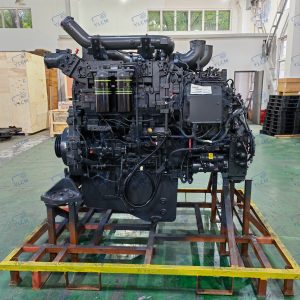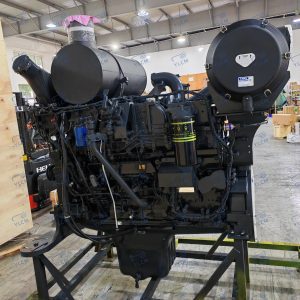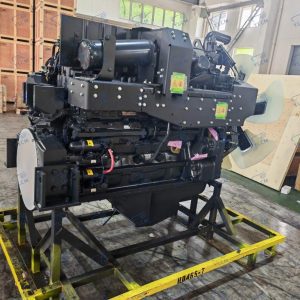

Sourcing spare parts for an aging IHI 18J mini excavator can turn into a frustrating guessing game. Without verified part numbers and a supplier you trust, a small component failure can mean days of downtime. My background includes over two decades in construction machinery supply chains, first at Komatsu and now operating a company that connects buyers with manufacturers in Asia. From that experience, the single most reliable way to keep an IHI 18J working is to lock in part numbers early and match them to suppliers who provide traceable quality, not just a low price.
IHI 18J Mini Excavator Parts Essentials
The IHI 18J is a compact machine, but its parts list is no different in structure than larger excavators. The most frequently replaced components fall into three groups: undercarriage wear items, hydraulic system elements, and engine-related service parts. Track tensioners, idlers, sprockets, and rollers make up the bulk of undercarriage replacements. On the hydraulic side, pump seals, cylinder rebuild kits, and hoses are routine replacements. Engine maintenance typically calls for filters, belts, water pump components, and occasionally turbocharger or injector work. Knowing which category your failure falls into helps you frame the right questions when you contact a supplier.

OEM or Aftermarket for Your IHI 18J
The IHI 18J has been out of production for years. Genuine OEM parts are increasingly scarce, and when available, lead times stretch and prices climb to a point where the repair cost can exceed the machine’s current market value. In most cases, aftermarket parts are the practical path forward. I have seen aftermarket track components perform within 10 to 15 percent of OEM wear life on similar IHI mini excavators when the material spec and heat treatment are right. The difference between a good aftermarket part and a problematic one often comes down to whether the manufacturer used the correct steel grade and dimensional tolerances.
A useful approach is to treat OEM and aftermarket not as a binary choice, but as a tiered strategy. For safety-critical or precision-machined items, like final drive assemblies or swing bearings, it is better to pay more for a supplier that provides full material certifications. For external wear parts such as bucket teeth, cutting edges, and rubber track pads, a well-sourced aftermarket option can deliver excellent value with negligible risk.
Verifying Part Numbers and Compatibility
The biggest avoidable mistake in IHI 18J parts sourcing is ordering by description alone, without an OEM part number. Descriptions like “IHI 18J track roller” are not precise enough. The same model year may carry different roller configurations depending on production batch. I always recommend starting with the original parts manual. If you do not have a printed copy, digitized versions are available through several online heavy equipment parts portals.
Once you have the IHI part number, cross-reference it with aftermarket catalogs from suppliers you are evaluating. A reputable supplier will either list direct IHI-to-aftermarket part number matches or confirm compatibility by technical drawing. I have worked with manufacturers who will inspect a sample part you send them and produce a dimensionally identical replacement. This kind of reverse engineering is common for low-volume models like the 18J, but only works if the supplier’s engineering team understands the load requirements of the original component.
Major part categories to double-check for compatibility include:
| IHI 18J Part Category | Key Verification Points |
|---|---|
| Undercarriage rollers | Bolt pattern, diameter, flange thickness |
| Hydraulic pump components | Seal material grade, shaft fitment |
| Engine parts | Engine serial number range, OEM cross-reference |
| Bucket pins and bushings | Hardness specification, exact inner and outer diameters |
| Track chains | Pitch measurement, link height |
Finding Reliable IHI 18J Parts Suppliers
The supply chain for IHI mini excavator parts is global. Japan-based stock is limited and expensive. Chinese and aftermarket manufacturers supply a growing share of the market, and quality varies widely. In my daily work, I look for suppliers that can produce at least three things: clear part number cross-reference documentation, photos of the actual part and not a catalog image, and a reference list of previous heavy equipment customers. If a supplier hesitates on any of these three requests, the risk of receiving a part that does not fit or fails prematurely goes up.
We source from over 20 OEM and aftermarket manufacturers across China, Japan, Russia, and the US. That network allows us to match the right quality tier to each part. For instance, on a customer’s IHI 18J that runs in sandy soil, we supplied an aftermarket roller set with a case-hardened surface layer that increased wear resistance by roughly 25 percent compared to a standard carbon steel roller, at only a modest cost increase.
Ordering and Inspecting Your Parts
When you are ready to place an order, share the part number, the quantity, and the machine serial number with your supplier. A supplier that asks for the serial number without prompting is a good sign. It means they are checking production date variances, not just shipping whatever part fits a generic model description.
Before shipping a full batch of parts, request photographs of the finished items with a scale reference. If the order includes multiple pieces, have the supplier measure a sample under your guidance, ideally during a video call. This is especially important for hydraulic components where a one-millimeter mismatch in port size or flange thickness can cause a leak on startup. I have prevented more than one shipment of mis-sized IHI 18J parts simply by asking for a photo of the part next to a caliper showing the critical measurement.
Sourcing IHI 18J parts does not need to be a high-risk operation. The machine is well understood by aftermarket manufacturers, and the parts are straightforward when you have the right numbers and the right supplier. If you are looking for specific IHI 18J components and need help confirming compatibility or comparing quality and pricing across OEM and aftermarket options, send your part number and quantity to [email protected] or call +86-21-55800172. We can provide photos, cross-references, and a quotation based on your machine’s serial number and operating conditions.
Common Questions About IHI 18J Excavator Parts
Is it still possible to buy genuine IHI 18J parts?
Yes, but availability is inconsistent. Certain engine components and hydraulic control valves can be sourced through IHI’s legacy support network, often at prices that reflect their rarity. For most wear parts, you will find more reliable supply and faster delivery from aftermarket manufacturers who produce to OEM dimensions. In my experience, it makes sense to reserve genuine OEM spend for items like engine ECUs or specialized hydraulic valving, while using aftermarket for the undercarriage, bucket pins, and routine service items.
How do I avoid buying a part that looks right but does not fit?
Never order by machine model alone. Always provide the OEM part number and, when possible, a photograph and measurement of the original part. A supplier that accepts a return if the part does not fit is a minimum requirement, but the better approach is to prevent the mismatch from the start. Ask the supplier to provide a dimensioned drawing before production or shipping. I have seen too many parts with correct bolt spacing but an incorrect flange thickness, and that tiny difference will prevent assembly.
Are aftermarket IHI 18J parts as durable as genuine parts?
Durability varies by manufacturer, not by the label “aftermarket.” Some aftermarket parts equal or exceed OEM life because they use upgraded materials. Others fall short because the manufacturer optimized for price alone. The way to tell the difference is to ask for material certifications and to run a small trial order. If the supplier can tell you the steel grade, hardness range, and the type of heat treatment used, you are dealing with a manufacturing operation that understands heavy equipment, not a general parts reseller.
How long does it typically take to receive IHI 18J parts from an overseas supplier?
Lead times depend on whether the part is in stock or needs to be produced. In-stock undercarriage components often ship within three to five days and can reach major international ports in one to two weeks. Custom-produced hydraulic components may take three to four weeks. I always recommend building in a buffer of at least one extra week beyond the supplier’s estimate for customs clearance and final-mile delivery to your workshop. If your IHI 18J is down, share your timeline with the supplier upfront so they can confirm stock availability and recommend the fastest shipping method for your region.
If you’re interested, check out these related articles:
How to Choose Excavator Undercarriage Parts for Your Machine
How to Extend Caterpillar Excavator Wear Parts Life: Tips
Using Caterpillar Excavator Parts Catalogs: Maximize Uptime