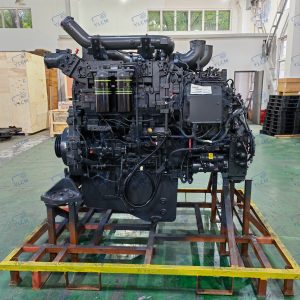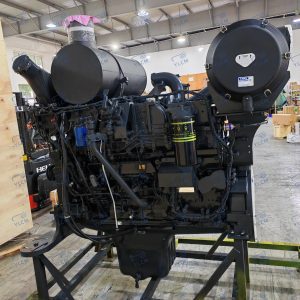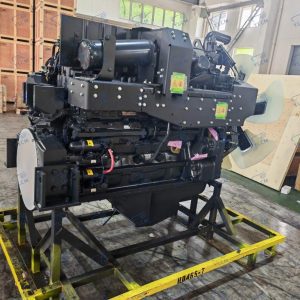

When maintaining a Bobcat 435 mini excavator, selecting the right parts means the difference between uptime and a machine sitting idle. This compact workhorse, widely used in landscaping, utility work, and light construction, has specific hydraulic and mechanical requirements that many generic parts catalogs overlook. A wrong pump or an ill-fitting undercarriage component can cause secondary failures that cost more than the part itself. Drawing on 22 years in the heavy equipment supply chain—first at Komatsu China and now as founder of Shanghai Yanli—I’ll share a structured approach to help owners, mechanics, and fleet managers identify compatible components, verify quality, and secure reliable sourcing for Bobcat 435 excavator parts, even without a dealer network on speed dial.
Specifications to Check Before Ordering Bobcat 435 Parts
The biggest mistake I see is ordering a part based on a verbal description or a blurry photo. The Bobcat 435 mini excavator has a few different configurations, and the correct part depends on the serial number, the build year, and sometimes the specific attachment package. Always start with the machine’s data plate and the official parts manual. If you don’t have it, Bobcat’s online parts catalog is a reliable starting point.

The machine is built around a Kubota V2203 diesel engine, which drives a variable-displacement piston pump with a rated flow of roughly 67 liters per minute and a system relief pressure around 210 bar. These numbers matter because aftermarket pumps and control valves supplied for “similar” mini excavators may not match the flow curve the 435 was designed for. Using a pump with a different displacement or a valve with incorrect spool timing can lead to sluggish operation, overheating, or sudden component failure. Below is a reference table of key specifications I’ve gathered from factory documents and field experience.
| Component | Specification |
|---|---|
| Engine | Kubota V2203, 48 hp (35.8 kW) |
| Operating weight | Approximately 4,800 kg |
| Hydraulic pump flow | 67 L/min main pump |
| System relief pressure | 210 bar (21 MPa) |
| Travel speed (low) | 2.8 km/h |
| Track type | Rubber, 300 mm width |
I also recommend checking the part number against Bobcat’s exploded diagrams. A small change in the middle of a number string often indicates a revision that revised a seal groove or a bolt pattern. If you are buying from an aftermarket supplier, ask them to confirm the OEM number their part replaces. A supplier that cannot provide this cross-reference is guessing, and a guess on a hydraulic line or a final drive input seal can cost you a full day of downtime and a fluid flush.
Evaluating Aftermarket Part Quality for Bobcat 435 Excavators
Aftermarket parts offer a real cost advantage when you know what to look for. The challenge is that aftermarket is a broad category: it includes factories that hold ISO 9001 certification and perform full material and dimensional inspection, and it also includes small shops that copy a part from a worn sample without understanding the original design intent.
From my years at Komatsu, I learned that critical parameters are rarely visible to the naked eye. A track roller, for example, must have the right case depth on the wear surface, the right bearing clearance, and a seal that can keep fine grit out under high load. A roller that looks identical on the outside but skips the induction hardening step will wear out in a few hundred hours instead of a few thousand. I always ask a potential supplier these three questions:
- What material grade and heat treatment process do you use for this component?
- Can you provide a dimensional inspection report or a first-article test certificate?
- Which OEM part numbers does this item officially replace, and what is your rejection rate on past orders?
If they cannot answer all three clearly, I move on. For hydraulic components like pumps and final drive motors, I also insist on a bench test report before shipping. Quality aftermarket manufacturers are used to providing these documents because they routinely supply parts to fleet operators and overseas distributors. The extra five minutes it takes to get the paperwork prevents days of downtime later.
Where to Source Bobcat 435 Excavator Parts Reliably
Your parts supply options fall into three categories: authorized Bobcat dealers, local independent parts shops, and overseas aftermarket manufacturers or distributors. Authorized dealers provide genuine parts with no question about fit, but for a model that is no longer in current production, lead times can stretch to weeks and the price reflects the brand markup. Local independent shops often stock fast-moving items like filters, bucket teeth, and undercarriage parts, but their range for model-specific drivetrain or hydraulic components can be limited.
Overseas aftermarket manufacturers, particularly those in China, Japan, and the U.S., have become a practical alternative. The key is to evaluate the supplier, not the geography. A well-organized supplier will share photos of the actual part, provide weight and dimension data, and ship with proper packaging and full documentation. We at Shanghai Yanli work directly with more than 20 OEM and aftermarket manufacturers that have supplied parts for Komatsu, Hitachi, and other major brands. This network gives us the ability to source a Bobcat 435 track adjuster or a hydraulic pump coupling that would otherwise take weeks to locate through a local dealer.
If your program involves a machine that is your daily breadwinner, it is worth confirming the lead time and the exact specifications before committing to a purchase order. A quick email to [email protected] with your part number and the number of hours on the machine can save you from ordering a component that is close but not correct.
Key Component Categories That Wear First on a Bobcat 435
Some parts on the Bobcat 435 mini excavator predictably wear faster than others, and keeping a few of them stocked can prevent unplanned downtime. The undercarriage takes the most abuse, especially when the machine works in abrasive soil or is frequently turned on hard surfaces. Track chains stretch, rubber tracks crack or delaminate, and the sprockets and idlers wear down. Replacing rollers and idlers before the track itself fails can extend the track’s life significantly.
Hydraulic system parts are the next cost driver. Cylinder seal kits, pump shaft seals, and control valve poppets and springs degrade with heat and contamination. I have seen machines where a $15 rod seal failure let dirt enter the hydraulic circuit, which then damaged a $2,000 pump within a month. Filters are the cheapest insurance: replace the hydraulic return filter, the pilot filter, and the engine oil and fuel filters per the schedule, using quality elements, not the cheapest alternatives. A partial list of the most frequently replaced Bobcat 435 parts appears below.
| Wear Component | Typical Replacement Interval | Sourcing Advice |
|---|---|---|
| Rubber tracks | 1,200–2,000 hours depending on terrain | Match width (300 mm) and internal pitch; ask for continuous-wound steel cord reinforcement |
| Track rollers (top and bottom) | 800–1,500 hours | Verify bearing seal type and case hardening depth |
| Sprocket | 1,500–2,000 hours | Match tooth profile to track pitch; replace with chain to avoid accelerated wear |
| Idler assembly | 1,500–2,000 hours | Check for yoke bushing play prior to installation |
| Hydraulic cylinder seal kits | 3,000–5,000 hours or at first seepage | Ensure kit includes both rod and piston seals; verify material is polyurethane or nitrile for standard excavator fluids |
| Hydraulic return filter | 500-hour service interval | Match micron rating to system requirements (typically 10 µm nominal) |
| Engine oil and fuel filters | 250-hour service interval | Use OEM-equivalent filtration efficiency; do not substitute generic canister filters |
Balancing Cost and Reliability for Long-term Value
A cheap part that fails early costs far more than the purchase price. I calculate the true cost of a component as the part price plus the labor to install it, plus the cost of the machine sitting idle if it fails mid-job. A quality aftermarket Bobcat 435 hydraulic pump that costs 40% less than the genuine part but lasts 80% as long often makes sense for a machine with moderate annual hours. For a machine running 2,000 hours a year, a failure unplanned can eat up thousands in lost contract revenue, so the calculation shifts toward the most reliable option available.
Warranty terms are a useful market signal, not a guarantee. A supplier willing to offer a 12-month warranty on a final drive motor has confidence in their manufacturing process and their quality control data. If a supplier offers only a 30-day warranty, it often means they have not gathered enough field data to stand behind the part. I also factor in the availability of technical support: when a seal kit arrives and the mechanic calls with a fitting question, the supplier’s ability to respond quickly with a dimensional chart or a torque spec determines whether the machine is back in the dirt that afternoon or still down the next day.
Dealing with the complexity of parts selection is a genuine challenge for any Bobcat 435 owner or fleet manager. It is easy to spend hours searching online, second-guessing part numbers, and still end up with a part that does not fit. Our team at Shanghai Yanli can help you verify specifications, check stock availability with our manufacturing partners, and arrange consolidated shipping that reduces freight cost. Send your part number and preferred quantity to [email protected] or call us at +86-21-55800172, and we will return a detailed quotation with lead time and shipping options. This kind of inquiry takes a few minutes and it is the most direct way to ensure you are getting the right component without the trial-and-error.
What Owners Ask Before Buying Bobcat 435 Excavator Parts
Are aftermarket parts as durable as genuine Bobcat parts?
Durability depends entirely on the manufacturing standards of the aftermarket supplier. Genuine Bobcat parts are built to the OEM’s specification with consistent quality, but some aftermarket manufacturers match or exceed those specifications, especially on simple wear items like sprockets, rollers, and pins. I have worked with factories that use identical material grades and heat treatment processes as the original manufacturer because they produce for multiple brands. The safest approach is to request a material test certificate and to buy a sample first if the component is a high-cost item like a hydraulic pump. In programs we have supported, aftermarket undercarriage parts from audited suppliers have achieved lifespan within 90% of the genuine part at half the price, which is a trade-off many contractors accept.
How can I be sure an aftermarket hydraulic pump will fit my Bobcat 435?
Check the manufacturer’s part number, the hydraulic flow rate, the mounting flange pattern, and the shaft size and spline count. The Bobcat 435 uses a specific pump with a shaft that couples to the engine flywheel housing, and even a slight variation in the spline dimensions can cause vibration or seal failure. Request a dimensional drawing from the supplier and compare it to the pump you are replacing. If you have the original pump removed, measuring the flange bolt circle and the shaft diameter with a caliper takes five minutes and eliminates the guesswork. Suppliers who cannot provide a drawing should be avoided for precision components. If you are unsure about a particular pump specification, share your machine’s serial number with us and we can verify compatibility before you commit.
Can I trust Chinese suppliers for Bobcat 435 parts?
The question is not the country of origin but the specific manufacturer. China has a mature heavy equipment components industry that supplies major OEM assembly lines. The distinction is between factories that have export quality control systems and those that serve only the local replacement market with lower standards. I recommend looking for suppliers who have an auditable quality management system, who can provide references from overseas customers, and who communicate clearly about lead times and documentation. During my years at Komatsu, I saw that quality is a function of management commitment and process control, not geography. A factory with an ISO 9001 certificate and a dedicated export quality team is a completely different experience from a trade company that cannot tell you which foundry cast the part.
What documents should I request before placing a bulk order?
Ask for a commercial invoice with detailed part numbers and serial numbers, a packing list that shows weights and dimensions, and a certificate of origin if you need it for customs clearance. For critical components, I also request a material test report or a dimensional inspection sheet. This paperwork does not guarantee zero defects, but it tells you whether the supplier has a traceable quality system. In our own supply work, we routinely provide a pre-shipment inspection report with photos of the actual parts, including measurement points for key dimensions. Sharing these requirements upfront filters out the suppliers who are not set up for export-grade quality, and it protects your import compliance with your local authorities. If your project involves multiple part numbers and you need documentation aligned with your own purchase order system, simply share your requirements and we will confirm the documentation package availability.
If you’re interested, check out these related articles:
How to Replace Nissan Excavator Parts Effectively
Finding Quality 220 Excavator Parts: A Sourcing Strategy
China Excavator Parts Canada: Your Practical Import Guide