

When you first encounter an excavator, the sheer number of parts and technical terms can feel overwhelming. An excavator parts breakdown for beginners should do more than list component names; it needs to connect each part to the machine’s function and help you make smarter sourcing decisions. In over two decades of working with heavy equipment supply chains, I’ve seen that understanding the three main groups—upper structure, front attachment, and undercarriage—is the fastest way to gain confidence in maintenance and procurement. This guide walks through those groups, highlights the components that wear the fastest, and explains what to look for when you’re ready to order replacement parts.
The Main Excavator Parts Every Beginner Should Know
An excavator breaks down into three large assemblies, and getting clear on them upfront simplifies everything else. The upper structure sits on the undercarriage and rotates via a swing bearing. It includes the cab, the engine compartment, the hydraulic pumps and main control valve, and the counterweight at the rear. The front attachment—the boom, arm, and bucket—is what most people picture first. Each of these can be further divided, but for a beginner, thinking in terms of these three groups prevents confusion when reading a parts manual or talking with a supplier.
The cab contains the operator controls, monitor display, and HVAC components, all of which can fail over time and need reliable replacements. The engine, often a diesel unit from a manufacturer like Cummins or a brand-specific OEM, powers the hydraulic pumps. The counterweight keeps the machine stable when lifting a full bucket. The front attachment uses hydraulic cylinders to move the boom, arm, and bucket independently, so cylinder seals and pins wear with daily use. I often tell new buyers that if you can identify the upper structure, the front attachment, and the undercarriage on any machine, you already have a working vocabulary for parts sourcing.

Undercarriage Components That Take the Most Wear
The undercarriage bears the machine’s entire weight and absorbs impact, so it accounts for a large share of replacement part spending. Track shoes, rollers, idlers, sprockets, and the final drive assembly all work together to move the excavator across uneven terrain. Each component has a different wear pattern depending on soil conditions and operating habits.
| Component | Function | Typical Wear Concern |
|---|---|---|
| Track shoes | Grip the ground and protect the chain | Abrasion, bending, missing grousers |
| Track rollers | Support the machine weight on the track frame | Bearing failure, flange wear |
| Front idler | Guides the track and maintains tension | Bushing wear, cracking |
| Sprocket | Drives the track chain | Tooth wear, cracking |
| Final drive | Transmits hydraulic power to the sprocket | Oil seal leakage, gear damage |
I’ve seen many excavators in central Asia and Africa where undercarriage inspection was delayed by just a few hundred operating hours, and the result was a snapped track on a job site. A worn roller or a loose track chain doesn’t announce itself dramatically—it shows up as uneven shoe wear or a slight wobble during travel. Checking the undercarriage every 250 service hours and planning replacements around the components with the shortest remaining life keeps the machine productive and avoids towing costs.
Hydraulic and Engine Systems That Drive the Machine
The hydraulic system is the muscle of the excavator. The main hydraulic pump, driven by the engine, creates flow that is directed by the control valves to the cylinders and motors. All that force gets work done—lifting the boom, curling the bucket, swinging the house. A badly maintained pump or a control valve with worn spools costs you power and cycle time. I’ve worked with fleets where the difference between a clean, well-filtered hydraulic system and one that had skipped oil changes was a 10–15% fuel penalty, measured by the site’s own fleet management system.
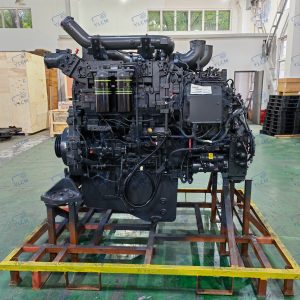
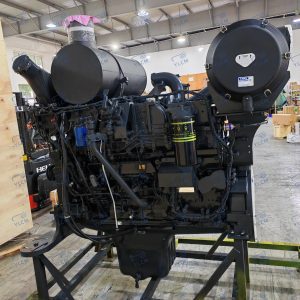
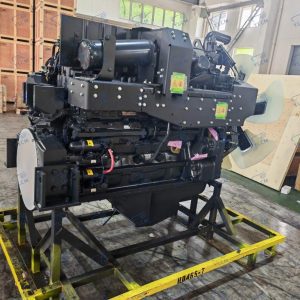
The engine side matters just as much. The air cleaner, fuel filter, and water separator need regular attention, especially on machines operating in dusty environments. The radiator and oil cooler must stay clean to prevent overheating. Aftermarket engine components—pistons, liners, turbochargers—are available for many common excavator engine families, and they can offer real savings if the supplier can show you consistent quality control records. That is a conversation worth having with your parts provider before you commit to a full engine rebuild kit.
How to Approach Sourcing Replacement Parts as a Beginner
Sourcing excavator parts for the first time is easier when you treat it as a series of verifiable steps rather than a guessing game. Start with the machine’s serial number and the part number from the manufacturer’s parts manual or the old part itself. Never trust a verbal description alone. I cannot count the number of times a simple photo of the part and its stamping has saved a customer from ordering the wrong variant.
Once you have the correct part number, you face the OEM versus aftermarket decision. OEM parts come through the equipment manufacturer’s channel and carry a warranty, but the price can be high. Aftermarket parts from a supplier with direct factory relationships can be much more cost-effective for wear components like bucket teeth, track shoes, and seal kits. Shanghai Yanli Construction Machinery Co., Ltd. works with more than 20 OEM and aftermarket manufacturers across China, Japan, Russia, and the USA, which lets us offer competitive pricing on a wide range of brands and components. We are not a single-factory shop; we cross-reference multiple sources and select based on consistent quality and reliable delivery times.
If your order involves a high-value assembly—a final drive, a hydraulic pump, or an engine long block—ask the supplier for material certifications or a sample inspection report. A supplier who is comfortable sharing that information is one you can build a long-term relationship with. The goal isn’t the lowest price on paper; it’s getting the right part, delivered on time, that won’t fail prematurely.
Questions Beginners Often Ask About Excavator Parts
How can I tell if a part is OEM or aftermarket?
OEM parts usually come in the equipment manufacturer’s packaging with their logo and part number. Aftermarket parts are packaged under the supplier’s brand, but the specification sheet should match the OEM drawing. Some aftermarket producers even supply the OEM channel, so the manufacturing origin can be identical. The key differentiator is documentation: ask for a cross-reference to the OEM part number and, for critical components, a material certificate.
What are the most commonly replaced excavator parts?
In my experience across different job sites, the parts ordered most frequently are undercarriage wear items—track shoes, rollers, and sprockets—along with bucket teeth, cutting edges, and hydraulic cylinder seal kits. Filters, belts, and hoses are high-frequency maintenance items. Engine and hydraulic pump overhauls happen less often, but they represent significant spending when they do.
Is it safe to use aftermarket parts in hydraulic systems?
It depends on the component and the supplier’s quality control. Aftermarket seal kits and cylinders can perform well if the material specifications match the OEM requirements. For high-pressure pumps and motors, I’m more cautious—an aftermarket pump with inconsistent dimensional tolerances can generate heat and damage the rest of the system. A good rule of thumb is to start with aftermarket wear parts and only move to hydraulic assemblies when you have a supplier who provides real test data and a warranty.
How do I find the right part number for an older excavator?
Start with the machine’s serial plate, which gives you the exact model and sometimes the engine serial number. Then use the manufacturer’s online parts catalog or a dealer lookup tool. If you’re stuck, a reputable supplier can help you locate the part number if you send clear photos and measurements. I’ve done this many times for customers in Africa and Southeast Asia who were restoring machines with incomplete documentation.
What should I look for in a reliable parts supplier?
Look for a supplier who asks for your serial number before quoting, provides clear packaging and shipping timelines, and is willing to share references or sample documentation. A supplier who promises the lowest price on everything without any qualifying questions is often a sign of trouble. If you have a specific project coming up, share your part numbers and machine model with [email protected] or call +86-21-55800172—we cross-check multiple manufacturers and confirm lead times before you commit.
If you’re interested, check out these related articles:
Shanghai Yanli Participated in Mining & Construction Vietnam 2026 in Hanoi
Choosing Genuine Cat Excavator Parts Online: Smart Sourcing
Kobelco Excavator Parts Manuals: Your Guide to Efficient Maintenance
Sourcing Quality Kubota Mini Excavator Parts Step by Step