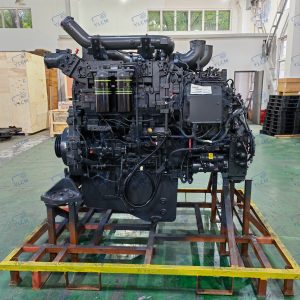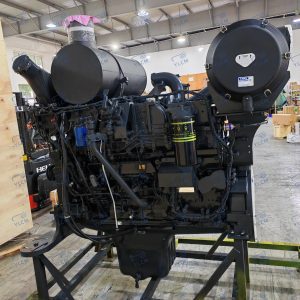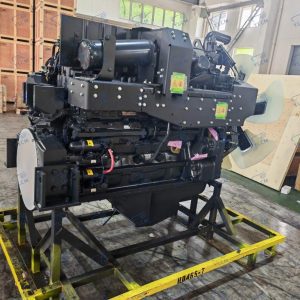

Sourcing aftermarket Bobcat 435 mini excavator parts should start with the machine serial number and the job conditions around it, because a part that fits another Bobcat compact excavator can still be wrong for your 435. I have watched buyers save on the first quote, then lose time returning parts after the machine is already down. The checks below follow the order I use when we screen parts for construction and mining equipment: application details, high-wear components, material and warranty evidence, supplier behavior, and the quote request structure.
Which Bobcat 435 Application Details Should You Confirm First?
The main risk with aftermarket Bobcat 435 parts is not that aftermarket manufacturing is inferior. It is that compact excavator models often change under the same nameplate. A 435 sold in one market may use a different hydraulic flow setting, track width, or cooling package than a 435 built for another region. I ask for the serial number before anything else. It opens the correct production range and lets the supplier check the parts catalog from the right side of the model split.
Confirm the engine model and installed options too, especially if the machine has an auxiliary hydraulic circuit, enclosed cab, or steel track conversion. Those options change hose lengths, filter positions, and control valve routing. A clear photo of the machine plate removes most of the guesswork before the first quote.

Which Bobcat 435 Mini Excavator Parts Fail First and Suit Aftermarket Replacement?
Most 435 class machines spend their hours in the lower powertrain before anything else. undercarriage parts such as tracks, rollers, idlers, and sprockets run directly in soil, water, and crushed stone, so they wear faster than components inside the house. Aftermarket replacements make the most sense here when the buyer confirms track pitch, roller diameter, and bushing condition first.
| Part Group | Early Wear Signal | What Buyers Often Miss | Aftermarket Sourcing Check |
|---|---|---|---|
| Undercarriage parts | Track sag, roller play, uneven idler wear | Track pitch must match the existing rail | Confirm dimensions and bushing hardness |
| Hydraulic system parts | Slow cycle, external oil film, hose cracking | Pressure rating and port orientation | Confirm OEM cross-reference and seal material |
| Engine system parts | Hard start, coolant loss, belt dust | Power rating and alternator output | Confirm engine serial number break |
| Final drive | Noise during turn, oil leak at hub | Ratio and brake group fitment | Confirm drive serial number or photos |
Several of these groups are standardized enough for good aftermarket sourcing once the measuring is done. The lower the part sits near soil, the more I want to see documented dimensions rather than a seller’s assurance that the whole group is compatible.
How Do You Compare Material, Fitment, and Warranty for Aftermarket Parts?
Price comparison only works after you fix the specification. A track roller made from lower grade steel can look identical in a photo, but the bushing clearance and case hardness are what determine whether it lasts 1,500 hours or fails before the next service interval. Ask the supplier to name the material treatment and the tolerance standard, not just the Bobcat part number.
The same rule applies to seals and wear components, where a cheap nitrile substitution can fail early in hot oil. Fitment confirmation is the next gate. A credible supplier will check your serial number against the correct parts book and show you the corresponding OEM number before shipment. If the supplier cannot do that, lower price is no longer the real offer. Warranty matters too, but read what it covers. A meaningful warranty names the defect path: bushing wear, seal failure, casting crack, and similar failure modes.
If your Bobcat 435 runs in abrasive material or has replacement rollers from an earlier repair, confirm the roller boss dimensions and track pitch before you finalize a full undercarriage package. Send the machine serial number and photos of the worn part to sales@sh-yshuo.com and we will check the correct production range before anything leaves the warehouse.
What Supplier Signals Protect Uptime on a Bobcat 435?
Beyond price, I look for four signals when screening heavy equipment parts suppliers. First, the supplier should be able to send actual part photos or a pre-shipment inspection report for the items in your order. Second, lead time should be stated as a range tied to a specific warehouse or production run, not as a vague promise. Third, the packing should match the component: pins and bushings need rust protection, hydraulic units need port plugs and clean packing, and glass parts need separate bracing.
The fourth signal is aftersales response. A supplier that asks for the serial number before discussing price is usually easier to work with when a claim appears. Ask what documentation ships with the order. A packing list alone is not enough for import clearance; you also need the commercial invoice and, where applicable, the certificate of origin or material declaration.
Bulk and mixed part orders need the same discipline. Safe Shipping Excavator Parts: Protecting Your Heavy Machinery Investment covers the packing and handling stages that keep a sound part from becoming a warranty claim.
How Do You Write a Quote Request That Gets the Right Parts?
A clean request is faster than a long email. I ask for the following order: machine serial number, part number or part name, quantity, photo of the worn or damaged component, operating environment, and expected delivery date. If you do not have the Bobcat part number, send the serial number and a clear photo. The supplier can then identify the correct production run.
When the repair involves a final drive, include the drive motor plate or any stamped ratio code. Final drives can look identical from the outside while changing internally between production runs.
Once you have that list, send it to sales@sh-yshuo.com or call +86-21-55800172. We will confirm the part numbers, the production range, and the lead time before you pay, so you are not buying a similar part and hoping it fits.
What Questions Do Buyers Ask About Aftermarket Bobcat 435 Mini Excavator Parts?
Are aftermarket parts safe to use on a Bobcat 435?
Yes, when the supplier verifies the serial number and checks the correct production range, aftermarket parts can be a safe fit for the 435. The risk is not the aftermarket label. The risk is fitment without a serial number check. On undercarriage and hydraulic wear parts, the correct cross-reference and documented dimensions matter more than whether the box carries an OEM logo. Buyers should treat any seller that quotes without the serial number as a risk, not a discount.
Is a lower price usually a sign of lower quality in aftermarket mini excavator parts?
Not always, but it should raise the documentation question. Many lower prices come from shorter supply chains and direct factory access, especially when a supplier works with multiple manufacturers across China, Japan, and other markets. The real difference appears in material treatment and tolerance control. Some low cost parts are simply unbranded equivalents with acceptable metallurgy. Others use softer steel or substituted seal material. Ask for the warranty wording and the material specification. If the seller cannot explain either, the low price is carrying unknown risk.
Should I buy aftermarket or OEM parts for the Bobcat 435 undercarriage?
It depends on the job conditions and the remaining machine life. For a tracked machine working in wet clay or abrasive sand, upper end aftermarket undercarriage parts with documented bushing hardness can be the better value. For a low hour machine still under a dealer program or a resale sensitive unit, OEM may be the cleaner record. The practical guideline is to compare the serial number cross-reference first. If the aftermarket supplier cannot confirm track pitch and roller dimensions, choose OEM or change suppliers.
What should I send to a supplier to speed up a Bobcat 435 parts quote?
A faster question is what not to send. Vague requests like “need Bobcat 435 parts” force the supplier to ask several rounds of questions. What moves the process forward is a serial number, a part name or number, a photo of the worn part, quantity, and delivery date. That single set permits a proper production range check. If you have a list of several components, send the list as one request so lead times can be confirmed together. Send those details to sales@sh-yshuo.com and we will confirm the correct part numbers and lead time before you commit.
If you’re interested, check out these related articles:
Sourcing John Deere 120C Excavator Parts: A Practical Guide
Hydraulic Rock Drills for Mini Excavators: Choosing Your Best Fit
Finding Quality 220 Excavator Parts: A Sourcing Strategy
What Really Matters When Sourcing Excavator Parts: A Breakdown of Critical Components