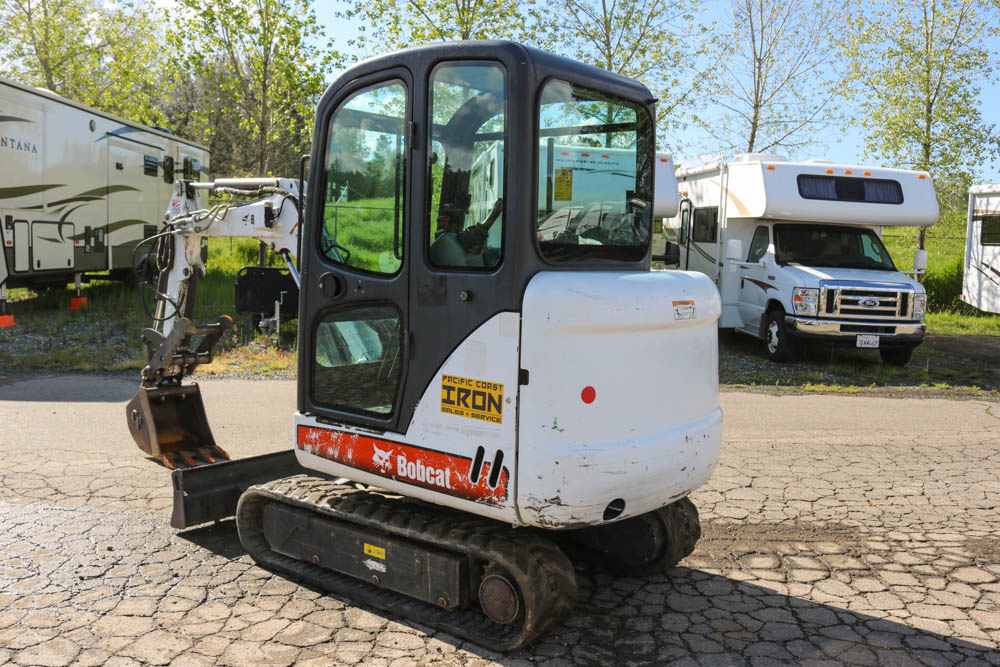
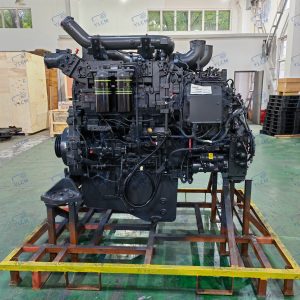
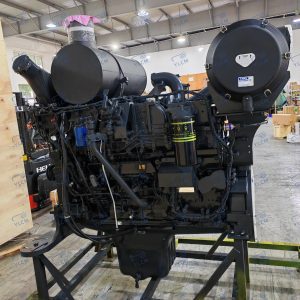
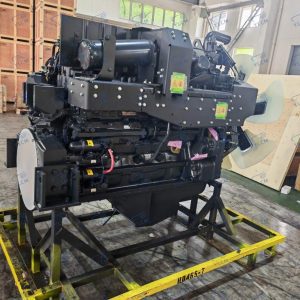
Choosing replacement parts for a Bobcat 325 excavator starts with accurate machine identification, not with a fast part number search. The right part must match the serial number, current configuration, and the way the old component failed. Once those details are clear, the buying decision becomes a structured comparison between OEM, aftermarket, and remanufactured options, followed by supplier documentation and lead time checks. This guide works through that sequence for 2026 so you can reduce downtime, avoid ordering the right-looking part for the wrong serial range, and build a request that suppliers can quote correctly.
Confirm the Exact Machine Configuration First
Bobcat 325 excavators can differ by serial number, region, engine option, electrical configuration, and attachment package even when the model name is identical. A component that fits a later serial break may not fit an earlier machine, especially in hydraulic pumps, control valves, wiring harnesses, and undercarriage parts. Before ordering, record the full serial number, model year, option codes, and any part numbers on the removed component. Photograph the data plate and the complete part, including mounting surfaces, connector positions, casting marks, and port direction. If the old part is damaged, measure the remaining mounting dimensions and note the location and orientation of fittings. These records reduce the most common Bobcat 325 sourcing failure: ordering a valid part for a different build.
Bobcat compact excavator models often share the same parts selection risks even when the serial number formats differ. <5 Practical Tips for Bobcat 331 Excavator Parts Selection> covers practical filters for selecting Bobcat excavator parts with fewer sourcing mistakes.
Match the Part Type to the Actual Failure
Replacement choices should follow the failure mode, not only the component name. A leaking hose or seal may require only a seal kit or hose replacement if the mating surfaces are clean and within wear limits. A failed hydraulic pump, on the other hand, should not be replaced blindly. First determine whether the cause is wear, contamination, cavitation, or an electrical control issue. Undercarriage parts such as chains, sprockets, rollers, and idlers should be measured together because a new component installed next to worn parts can fail early. For pins, bushings, brackets, and bucket edges, compare material, hardness, grease path, and fit tolerance with the original part instead of choosing on price alone.
Failed component
First check
What buyers often miss
Hydraulic hose
Pressure rating, fitting style, routing space
The fitting may match while the bend radius does not
Seal kit
Cylinder bore condition, groove damage, seal material
Wear depth, chain pitch, condition of mating parts
Replacing one worn item can shorten the new part
Pin or bushing
Bore wear, grease path, hardness
A hard pin in a worn bore may still become loose
Electrical component
Connector pinout, voltage, software compatibility
The same connector shape can have a different pin assignment
Engine or cooling part
Engine serial number, emission tier, mounting package
The engine family alone does not confirm fitment
Hydraulic repairs are easier to control when seal kits and problem parts are identified before the system is opened. <Excavator Seal Kits: Fast 3-Day Delivery for Repairs> covers repair-focused seal kit selection and fast delivery considerations.
Decide Where OEM, Aftermarket, and Remanufactured Parts Fit
OEM parts are the most straightforward match to the original specification and are usually the lowest-risk choice for high-pressure, safety-critical, or software-dependent components. Aftermarket parts can be suitable for wear items and structural replacements when the supplier identifies the material, heat treatment, dimensional tolerance, and the Bobcat serial range the part was validated for. Remanufactured parts may make sense for costly components such as hydraulic pumps, travel motors, and final drives, but only when the remanufacturer states what was replaced, what was tested, and what the warranty covers. The practical rule is not that one channel is better for every part. The more a component affects control, pressure, or machine safety, the more documentation you should require before accepting a lower-price alternative.
Screen the Supplier Before Sending the Request
Supplier screening for Bobcat 325 parts should test fitment knowledge, not only quotation speed. Ask the supplier to confirm the part against your full serial number rather than accepting an unverified part number. Request the manufacturer, country of origin, material or grade, warranty period, and the specific Bobcat model or serial range the part was matched to. For hydraulic and engine components, ask for pressure ratings, seal material, test criteria, and any fitting or calibration notes. For used or remanufactured items, require photos of the actual part, test results, and return terms. If the supplier cannot explain why the part fits your serial number or sends a generic price list, continue screening.
Build a Replacement Plan That Keeps the Machine Running
For planned maintenance, group replacement parts by service interval and failure risk. Stock common wear items such as filters, hoses, bucket teeth, pins, and bushings before they force emergency freight charges. For high-cost components, keep a condition record with hours, measurements, photos, and symptoms so replacement can be planned around a job schedule rather than after a breakdown. When a failure interrupts work, send the supplier a complete request that includes the machine serial number, failed part number, current symptoms, recent repairs, and required delivery date. Then confirm whether the part is in stock or must be ordered from the manufacturer. Lead time is part of the purchase decision because a perfect part that arrives after the job ends does not solve the downtime problem.
Prepare a Better RFQ for Bobcat 325 Parts
A better request for quote includes machine identity, part description, required evidence, and delivery expectations. In the first message, provide the full serial number, model configuration, part number from the old component or parts manual, and photos of the failed part and installation area. State the operating environment, including dust, moisture, shift length, and attachment use. Ask the supplier to confirm the correct part, country of manufacture, warranty coverage, and whether the item is new, aftermarket, remanufactured, or refurbished. For critical hydraulic or electrical parts, request the inspection or test standard. If the supplier proposes an alternative, ask for a cross-reference and an explanation rather than accepting a lower price alone. This level of request makes the quote faster and the final choice easier to defend.
Send a Complete Bobcat 325 Parts Request
Request a quote for Bobcat 325 replacement parts by sending the machine serial number, required part number or description, operating conditions, failure symptoms, and expected delivery window. Include photos when the part is damaged or hard to identify. The team will confirm fitment against the serial number, propose new or aftermarket options where applicable, and provide lead time, warranty, and freight details for your location.
How do I find the correct part number for a Bobcat 325 excavator?
Start with the full machine serial number and the Bobcat parts manual or an official parts lookup for that serial range. Use the old component part number when it is legible, and photograph the part from multiple angles. If the number is missing, send the serial number, the component location, and clear photos to a supplier that works from machine configuration data.
Are aftermarket parts safe for a Bobcat 325 excavator?
Aftermarket parts can be safe when they are matched to the correct serial range and application. Wear parts, pins, bushings, buckets, and some structural items are often practical aftermarket choices. For high-pressure hydraulic parts, electrical controls, and safety-related components, require material, pressure, and test documentation. Avoid unbranded or poorly documented alternatives for those critical applications.
What is the difference between OEM and aftermarket Bobcat parts?
OEM parts are supplied to Bobcat specification and are the most direct fitment match. Aftermarket parts are manufactured by other companies to work with the same application, but the material, tolerance, and validation can vary by supplier. The decision depends on the part category, available documentation, warranty, and the risk created by a failure.
Can I use used or remanufactured parts in a Bobcat 325?
Used and remanufactured parts can reduce cost for expensive components such as pumps, motors, and final drives. They are only worth considering when the seller provides clear condition data, test results, warranty terms, and photos of the actual item. Avoid using undocumented used parts in critical hydraulic or electrical systems where hidden wear can create immediate failure.
How can I shorten delivery time for Bobcat 325 parts?
Send a complete request early and ask whether the part is in stock or must come from the manufacturer. Keep common wear items in your own stock when possible. Confirm the supplier’s lead time, shipping method, and warehouse location before ordering. If the original number is unavailable, a well-documented parent part and serial number can help the supplier identify an equivalent part faster.
If you’re interested, check out these related articles: