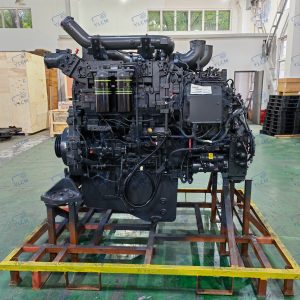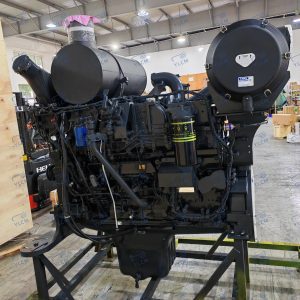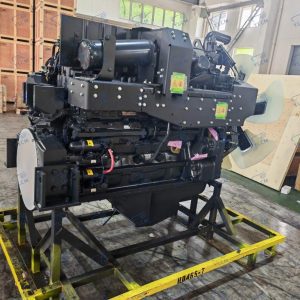

Kubota excavator parts sourcing in 2026 means choosing between OEM precision and aftermarket value—the right answer depends on where each component sits in your machine and your maintenance strategy. From undercarriage rollers to engine fuel systems, the cost gap can exceed 40% on high-wear items, yet downtime from a single premature failure can erase every dollar saved. I spent over 22 years inside Komatsu China’s supply chain before founding Shanghai Yanli Construction Machinery, and the same pattern plays out across every brand: parts that carry constant loads or hydraulic pressure demand a higher verification standard than those that simply transmit mechanical movement. This article breaks down which Kubota excavator parts truly justify OEM spending and where aftermarket alternatives deliver the same operating life at a fraction of the price.
OEM Kubota Components Provide Exact Fit and Warranty Protection
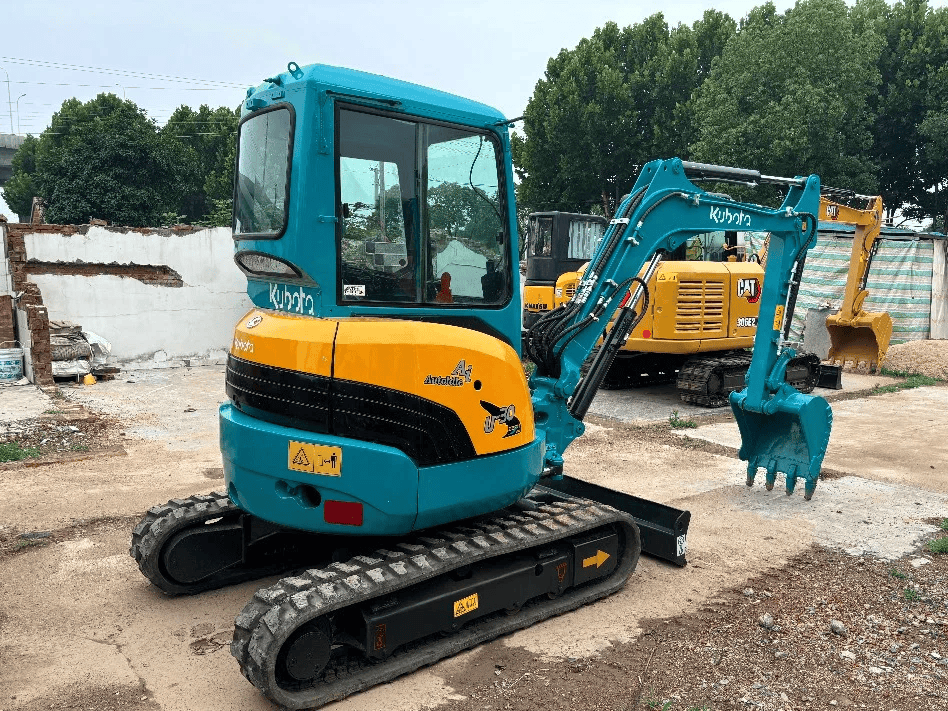
OEM parts are manufactured to the exact engineering specification that Kubota designed for each excavator model. A bucket pin for a KX080-4 will match the original bushing clearance to within microns, eliminating the accelerated wear that creeps in when tolerances drift even slightly. Every OEM component carries a manufacturer warranty—typically 12 months or 1,000 operating hours—and that warranty is honored globally through authorized Kubota dealers.
The real benefit surfaces in load-bearing components. An OEM swing bearing or final drive planetary gear set undergoes documented heat treatment and material certification that matches the OEM’s original validation cycle. If a bearing race fails prematurely, the warranty process is straightforward: return the failed part, receive replacement coverage. There is no debate about whether the part met spec, because the spec is traceable to Kubota’s own design data.
For repair shops and fleet managers running Kubota machines under high-utilization contracts, OEM eliminates a variable. You are not testing a supplier’s quality system while the meter is running on a job site. The tradeoff is cost. OEM undercarriage components, hydraulic cylinders, and engine long blocks typically run 30% to 60% higher than equivalent aftermarket alternatives, which adds up quickly across a fleet of five or ten machines.
Aftermarket Parts Slash Procurement Costs on Routine Wear Items
Aftermarket Kubota excavator parts have evolved significantly. The factories supplying these parts often produce for multiple heavy equipment brands, and many operate under ISO 9001 quality management. I have walked through these production lines in China and Japan; the manufacturing precision on a track roller or idler from a reputable aftermarket supplier is frequently indistinguishable from OEM.
On high-consumption items—rubber tracks, sprockets, bucket teeth, hydraulic seals, and filter elements—aftermarket delivers genuine cost relief. A set of rubber tracks for a Kubota U35 mini excavator may cost $450 to $700 aftermarket, versus $1,100 to $1,600 OEM. Multiply that by a fleet running three to four excavators, and the annual savings reach the low tens of thousands of dollars.
The risk is variability. Not all aftermarket suppliers have the same metallurgical controls. A track roller that should last 2,000 hours may fail at 800 hours if the bearing steel was not hardened correctly. That is why supplier qualification matters more than the label. We pre-qualify factories by running batch samples through hardness testing and dimensional inspection before committing to supply for our customers in Central Asia and Africa, where machine downtime in remote mining sites carries extreme cost. If you are sourcing aftermarket parts directly from a new supplier, request material certification and, if possible, inspect the first article.
Which Parts Should Never Be Replaced with Aftermarket
There are components where the margin for error is zero. I place engine fuel injectors, turbochargers, ECU modules, and hydraulic pump rotating groups firmly in the OEM column. A single injector with incorrect spray pattern on a Kubota V2203 engine can wash a cylinder wall, dilute engine oil, and lead to an overhaul costing over $5,000. The aftermarket alternatives for these precision assemblies often lack the validation testing that OEM units undergo.
Cylinder head gaskets and engine oil pumps also belong on this list. A failed oil pump means complete engine seizure, and a subpar gasket leads to coolant mixing with oil. The incremental savings of $50 to $100 on a gasket vanish in the resulting repair bill.
The line becomes softer for structural components such as buckets, booms, and counterweights. These parts are primarily welded steel fabrications. A qualified aftermarket fabricator using the correct steel grade and welding procedure will produce a component that performs identically to OEM at half the total cost. I have supplied aftermarket buckets for Kubota KX series excavators to contractors in Southeast Asia who report the same digging performance and wear life as the OEM part, with the added flexibility to customize tooth configuration and wear strip placement.
OEM vs Aftermarket Kubota Parts: Key Comparison Factors
| Factor | OEM Kubota Parts | Quality Aftermarket Parts |
|---|---|---|
| Price Range | 30%–60% higher base price | Competitive, often 30%–50% less |
| Warranty | 12 months / 1,000 hours, globally honored | Varies by supplier; often 6–12 months |
| Dimensional Accuracy | Exact to OEM drawing | Generally within acceptable tolerance |
| Material Certification | Full traceability to Kubota specs | Available from qualified suppliers |
| Availability for Older Models | May be discontinued or long lead time | Often better availability and custom runs |
| Suitability for Critical Parts | Strongly recommended for engine/hydraulic | Best for wear parts and structural items |
Should You Mix OEM and Aftermarket on the Same Machine
A mixed approach is the standard operating model for most construction fleets. Engine, hydraulic, and electrical components stay OEM. Undercarriage parts, buckets, cutting edges, cabin glass, and hoses go aftermarket from a vetted source. This creates a procurement discipline that controls total maintenance cost without exposing the machine to catastrophic failure risk.
The decision point often arrives when a machine reaches 6,000 to 8,000 hours. At that stage, the capital investment in OEM parts may exceed the machine’s remaining economic life. Aftermarket parts allow you to extend operation for another 2,000 to 3,000 hours at a maintenance cost that keeps the machine profitable. I have advised mining service companies in Russia and Africa to switch to aftermarket final drives and swing motors at this mid-life point, and the outcomes have been consistently positive when the supplier’s testing documentation is solid.
The worst outcome is mixing suppliers blindly. If you use aftermarket track links from one source and aftermarket sprockets from another, the pitch mismatch can cause accelerated wear across the entire undercarriage. Stick to a single qualified aftermarket brand for all wear parts on a given system, or confirm compatibility between brands before ordering.
Questions Procurement Teams Ask About Kubota Excavator Parts
When does aftermarket actually cost more than OEM in the long run?
Aftermarket becomes more expensive when a failure triggers secondary damage. A cheap hydraulic cylinder seal that leaks under operating pressure can contaminate the entire system, requiring a full hydraulic oil flush and pump inspection. The seal itself saved maybe $30, but the cleanup and downtime cost many times that. In programs we have supported, we treat hydraulic seals and engine gaskets as an OEM-only category for exactly this reason. The price difference is never worth the exposure.
How can I tell if an aftermarket supplier has legitimate quality control?
Ask for their ISO certificate number and verify it against the issuing body’s database. Request a dimensional inspection report for the specific part number you are buying. Reputable factories will provide this without hesitation. I also recommend ordering a small batch first and pulling a sample for independent testing. Any supplier that refuses to support a sample inspection should be removed from your vendor list immediately.
Can I mix OEM and aftermarket parts within the same hydraulic circuit?
Physically possible, but risky if the aftermarket component has not been tested for the same flow and pressure ratings. A hydraulic pump and main control valve form a matched system. Substituting one with aftermarket can create pressure balance issues that lead to hunting, overheating, and premature wear. If you need to replace part of the circuit, it is safer to stick with the same brand—OEM or a single aftermarket line—rather than mixing. For any critical hydraulic component, share your machine model and operating pressure requirements with our team at sales@sh-yshuo.com; we will confirm compatibility before you commit to a purchase.
If you’re interested, check out these related articles:
How Aftermarket Excavator Parts Factories Operate: A Deep Dive
Common Mini Excavator Bucket Parts and Replacement Choices
How to Choose Excavator Undercarriage Parts for Your Machine
OEM vs Aftermarket Hitachi Undercarriage Parts: A Deep Dive
JCB Excavator Parts: Functions, Sourcing, and Compatibility