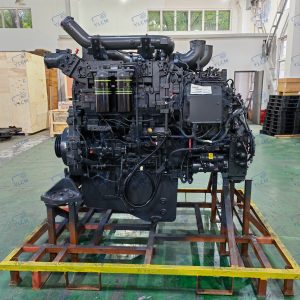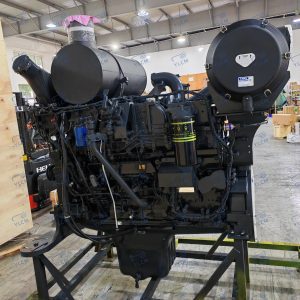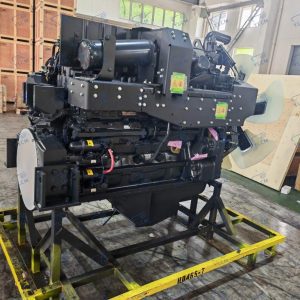

Brand new excavator parts from China can cut your procurement costs significantly, but without careful supplier verification you risk receiving substandard components that lead to unexpected downtime and higher repair bills. For procurement managers and fleet supervisors, distinguishing genuine new parts from cleverly disguised used ones requires hands-on industry knowledge, not a generic checklist. I spent over two decades in heavy equipment parts supply, first at Komatsu and now running a sourcing firm in Shanghai. That background taught me that the gap between a reliable part and a costly failure often hinges on how well you vet the supplier and inspect incoming shipments. This article gives you a practical framework for evaluating Chinese suppliers, verifying authenticity upon delivery, and building a sourcing strategy that protects your machines and your budget.

The Meaning of Brand New in Excavator Parts
In the excavator parts trade, “brand new” carries a specific meaning: a component that has never been installed, comes sealed in the manufacturer’s packaging, and shows the original anti-corrosion coatings or protective plugs. This definition applies whether the part is an OEM unit from the machine manufacturer’s own supply chain or a quality aftermarket part produced by an independent factory to match the original specifications. It does not cover refurbished units (components that have been used, disassembled, cleaned, and re-assembled with new wear items) nor “grey market” parts that were originally intended for one region but diverted. Confusion often arises because some suppliers label refurbished parts as “brand new” simply because they look clean. Procurement teams must insist on documented traceability: a serial number, batch test report, or factory inspection certificate that ties the part to a specific production run. Without these, you are relying on trust alone, which is a weak foundation in international trade.
A Framework for Vetting Chinese Excavator Parts Suppliers
Choosing a supplier based solely on a low price quotation is the fastest way to receive parts that fail prematurely. Instead, treat supplier evaluation as a multi-step process. Start by requesting the factory’s business license, export registration, and any quality management certifications, ISO 9001 at a minimum, though ISO/TS 16949 for automotive-grade quality is a stronger signal. A credible factory will also share its most recent third-party audit report. Next, ask for sample parts. A single cylinder liner or track roller may cost you a few hundred dollars, but inspecting material hardness, dimensional accuracy, and surface finish gives you hard data before committing to a bulk order. Pay attention to how the supplier communicates: a partner who asks detailed questions about your machine model, working conditions, and expected lifespan is far more likely to send suitable parts than one who only wants your shipping address. Finally, check references, any experienced exporter should be able to connect you with a satisfied client in your region.
Inspecting Brand New Excavator Parts for Authenticity
Even a vetted supplier can occasionally ship parts that fall short of “brand new” standards. That’s why every incoming shipment should go through a structured inspection. I recommend a four-point check:
| Inspection Point | What to Look For | Red Flag |
|---|---|---|
| Packaging | Sealed OEM or factory box with intact anti-rust paper and desiccant bags. No torn or re-taped edges. | Plain brown box with no markings; oil-stained packaging. |
| Part Markings | Casting date codes, part numbers, and foundry marks that match the invoice and manufacturer’s records. | Grind marks over numbers, mismatched fonts, or painted-over serial numbers. |
| Surface Condition | Uniform machining, no chips, even coating if painted, no weld spatter. | Uneven tool marks, repainting, or signs of pitting. |
| Weight & Dimensions | Confirm weight and critical dimensions with a calibrated scale and calipers. Tolerance within manufacturer’s spec. | Weight 5%+ lighter than known standard; dimensions off by more than 0.1 mm. |
If any red flag appears, put that shipment on hold and request re-inspection documentation. Don’t accept parts until you’re confident they match what you ordered.
If your program involves high-value hydraulic pumps or final drives, it is worth confirming the supplier can provide full material traceability and a pre-shipment test report before finalizing your bill of materials. Reach out at sales@sh-yshuo.com.
Red Flags That Signal a Counterfeit or Used Excavator Part
Counterfeit and used parts passed off as brand new are a real risk in the global aftermarket. Many look convincing at first glance, but several telltale signs give them away:
- Fresh paint over pitted or worn surfaces: sandblasting and repainting a used part is cheap, but a close look often reveals irregular body filler or paint drips.
- Missing or altered serial number fonts: compare the embossed or laser-etched number with a known genuine part; counterfeiters often use different typefaces.
- Inconsistent packaging labels: genuine factories use precise, multilingual labels with QR codes or batch numbers; fakes may have blurry printing or incorrect country-of-origin statements.
- Unusual oil residues: brand new parts are shipped dry or with light preservative oil; a part that arrives dripping with used hydraulic oil has almost certainly seen service.
In one case I encountered early in my career, a batch of “new” swing motor stators arrived with what appeared to be factory paint. A quick hardness test revealed that the core material had softened from heat cycling, confirming they were refurbished units. We rejected the entire shipment and re-sourced from a transparent factory that provided batch heat-treatment charts.

Building a Reliable Sourcing Strategy for Long-Term Reliability
The surest way to avoid receiving substandard parts is to stop treating sourcing as a series of one-time transactions. A long-term partnership with a limited number of vetted suppliers brings consistency, shortens lead times, and gives you influence over quality management. Suppliers who know they’ll get repeat orders are more likely to invest in better tooling and tighter quality control for your components.
Start by defining a quality agreement that specifies material grades, surface treatments, and tolerance bands for the parts you buy regularly. Then set up a quarterly review, either in person or via video call, to discuss delivery performance, defect rates, and any field failures. At Shanghai Yanli, we operate with a supplier scorecard system that tracks on-time delivery, packaging integrity, and part conformity; that data drives continuous improvement. For your own operation, even a simple spreadsheet can reveal which suppliers consistently deliver brand new quality and which ones are slipping.
Sourcing brand new excavator parts from China doesn’t have to be a gamble. When you partner with a supplier that provides documented factory audits, batch test certificates, and pre-shipment inspection reports, you shift the risk from your workshop back to the factory. Send your part numbers and quantity requirements to sales@sh-yshuo.com, or call +86-21-55800172, and we’ll confirm availability and provide the quality documentation you need to make an informed decision.
Common Questions About Sourcing Brand New Excavator Parts from China
Is it safe to buy brand new excavator parts from Chinese suppliers?
Yes, when you approach sourcing systematically. The key is to demand documented quality evidence, ISO certifications, material test reports, and pre-shipment inspection data, rather than relying on marketing claims. Reputable Chinese suppliers operate factories that export to major OEMs and global distributors every day; you just need to separate them from traders who repackage used parts. Start small with a sample order, verify the goods, then scale up.
What documents should I request before placing a bulk order?
At a minimum, ask for the factory’s business license, export registration, ISO certificate, and a recent third-party product test report for the specific part category you’re buying. For high-wear components like track links or bucket teeth, also request chemical composition and hardness test results. A factory that hesitates to share these documents is not one you want to work with.
How can I tell if an excavator part is refurbished rather than brand new?
Inspect for signs of disassembly: witness marks around bolt holes, non-original sealant, or wear patterns on sliding surfaces that don’t match the stated “new” condition. Weigh the part against known specifications; refurbished parts often lose material through cleaning processes. If available, cut open a sacrificial sample to check for internal wear that can’t be seen externally. Any supplier claiming a part is “brand new” should stand behind it with a warranty and be willing to cover replacement costs if the part fails prematurely due to prior use.
Do aftermarket excavator parts always meet OEM specifications?
Not automatically. Quality aftermarket parts are engineered to match or exceed OEM specs, but that depends entirely on the factory’s design capability and quality control. Legitimate aftermarket manufacturers reverse-engineer the original part, select equivalent materials, and validate performance through bench testing. Less scrupulous workshops simply copy external dimensions without understanding the internal stresses or heat treatment. That’s why you should always ask whether the supplier designs its own parts or simply copies a sample. A factory with in-house R&D is far more likely to produce a part that equals OEM reliability. If your current supplier doesn’t provide traceable batch testing, share your requirements with us and we’ll confirm compliance documentation availability before you order.
If you’re interested, check out these related articles:
Excavator Implements: Types, Uses, and Sourcing Tips
Choosing Reliable Excavator Parts Suppliers: A China Guide