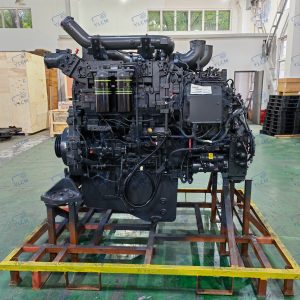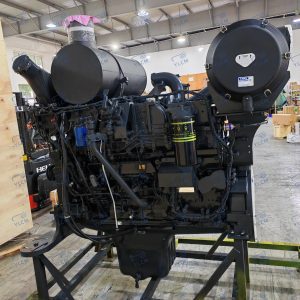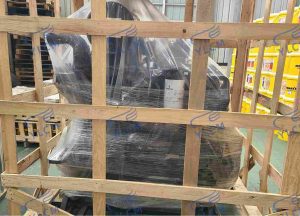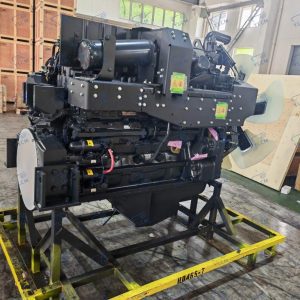

I’ve spent over two decades sourcing parts for heavy equipment, including 22 years inside Komatsu’s supply chain before founding Shanghai Yanli. If there’s one pattern I keep seeing, it’s buyers treating online excavator spare parts procurement the same way they order a household appliance. They compare prices, skim a few photos, and hope for the best. The problem is, heavy machinery isn’t a commodity, and a single bad batch of undercarriage parts or engine components can idle a fleet and destroy a project timeline. Buying quality excavator spare parts online requires supplier verification that goes beyond review scores; you need to check manufacturing capabilities, ask for documentation most sellers won’t volunteer, and negotiate trade terms that protect you when things go wrong.
Vet Online Suppliers Before You Send a Dollar
When a supplier reaches out with a quote, the first move isn’t asking for a discount. It’s understanding who you’re really dealing with. In my experience, a legitimate supplier willing to export genuine or high-grade aftermarket excavator spare parts has nothing to hide. At a minimum, ask for a copy of their business license and request a video call that shows their warehouse or stock area. General photos lifted from a website mean nothing.
Beyond the basics, dig into their manufacturer relationships. A supplier who claims to provide OEM and aftermarket options should be able to name the factories they partner with, even if they don’t reveal full addresses immediately. I always check whether the company can produce a traceable audit trail for critical components like final drives, transmission parts, or hydraulic pumps. No paperwork? You’re probably dealing with a trading company that has no quality oversight.
The article Choosing Reliable Excavator Parts Suppliers: A China Guide breaks down the difference between factory-direct operations and multi-layer trading networks — worth reading if you’re building a shortlist. One of the simplest filters I use is asking the supplier to describe their internal QC inspection process for a specific part number. A real supplier will answer with measurements, testing steps, and acceptance criteria. A middleman will talk in circles about “high quality” without a single specification.

Demand Proof of Part Quality – Not Just Catalog Photos
A glossy photo of a turbocharger doesn’t tell you whether the shaft runout is within spec or if the bearing material will survive beyond a hundred hours. The difference between a reliable aftermarket part and a throwaway copy comes down to documentation.
For any engine components I intend to stock or install, I request a sample report from the factory’s outgoing inspection. This should include material certifications, dimension inspection results, and surface treatment records if applicable. If you’re buying hydraulic cylinders or pump assemblies, ask for pressure testing data. A supplier who refuses to share these — especially on a trial order — is signaling that quality isn’t consistent enough to be measured.
When evaluating a new source, I also compare the physical sample against an OEM reference part. You’ll quickly notice whether the casting texture, weight, and machining finish match. In many cases, aftermarket manufacturers run the same production lines as tier-one OEM suppliers but omit the brand stamp and premium markup. That’s where value lives, but only if you can confirm the manufacturing lineage.
Navigate Trade Terms and Shipping Without Surprises
Low price means nothing if your parts arrive late, damaged, or not at all. Early in my career, I learned that trade terms are the cheapest insurance. Always use Incoterms that shift responsibility early: FOB at the port of origin gives you control over ocean freight, while EXW means you own the goods the moment they leave the factory gate. For first-time buyers importing heavy equipment parts, I recommend FOB or CIF with an independent inspection before payment release.
Shipping excavator spare parts isn’t like mailing small parcels. A track chain or a complete radiator assy weighs hundreds of kilos and needs crate protection or palletized wrapping. In the article Safe Shipping Excavator Parts: Protecting Your Heavy Machinery Investment, we cover the packaging standards that prevent freight damage — from rustproofing to shock indicators. One of the most overlooked details is insurance. Standard carrier liability rarely covers the full value of a dismantled final drive. Pay for all-risk coverage and you’ll sleep better.
Spot the Red Flags of Counterfeit Parts Fast
Even experienced buyers sometimes get tripped up by parts that look original but aren’t. I’ve seen counterfeit piston kits packaged in near-identical boxes with forged hologram stickers. The real giveaway is often the packaging itself: genuine OE packaging uses a specific grade of cardboard, consistent ink color, and precise part number labeling. A label with a blurry barcode or a part number that doesn’t match the manufacturer’s format is an immediate stop sign.
Another high-risk category is filter elements. Counterfeit air and oil filters can pass for the real thing at first glance because they’re simple. But the filter media, pleat count, and bypass valve setting are often wrong. A deficient oil filter can circulate unfiltered contaminants and take out a camshaft bearing over time. If the price is too good to be true, it usually is. Build a relationship with a supplier who can provide material certifications for the filter media and who stands behind the product with a documented warranty.
Build a Repeat Order System for Long-Term Savings
The real savings in buying excavator spare parts online don’t come from a one-time purchase. They come from standardizing your sourcing and building a repeatable process. Once you’ve qualified a supplier, lock in frame agreements that define pricing bands, lead times, and quality standards for your most frequently replaced parts — whether that’s bucket teeth, track shoes, or seals kits.
I encourage clients to set up a simple vendor scorecard. Track each order’s delivery accuracy, part conformity, and communication responsiveness. Over two or three cycles, patterns become clear. One supplier might consistently deliver undercarriage parts within 25 days, while another stretches to 40; your machinery schedule needs to know that. Retention bonuses, consolidated shipping, and exclusive stocking agreements can often be negotiated once you’re a proven partner. The suppliers who take quality seriously want long-term relationships just as much as you do.
Making Your Sourcing Process Sustainable
If you’ve been buying parts based on the lowest quote alone, one shipment failure can erase every savings you thought you’d locked in. I’ve seen mining companies lose entire production weeks because a single low-cost gear failed early, and there was no backup vendor. Building a vetted supplier network isn’t a paperwork exercise. It’s the difference between reliable uptime and constant firefighting.
You don’t need a huge procurement team to start. You need a repeatable process: request factory documentation, order samples, inspect against reference parts, agree on trade terms, and monitor performance with a scorecard. The suppliers who pass those steps become assets, not just vendors.
If you’re sourcing excavator spare parts for a new project or looking to diversify your supply base away from reactive single-source risk, send your part numbers and expected quantities to [email protected] or call +86-21-55800172. We’ll walk you through a compliant quote that includes material certifications, packaging standards, and the shipping terms that match your port. No glossy promises — just a transparent supply chain that you can verify.
Common Questions When Sourcing Excavator Spare Parts Online
Is it safe to buy OEM-branded parts from an online supplier rather than a local dealer?
Safety depends entirely on the supplier’s authorization and traceability. Independent exporters often source genuine OEM parts through wholesale channels or surplus inventory from the same factories that supply dealers, but the key is verifying the supply chain origin. Always request a traceability document that links the part to its original manufacturer batch. Without that, “genuine OEM” is just a claim.
How can I tell if an aftermarket part will match the OEM specification?
Start with the engineering drawing or the OEM part number. A competent aftermarket supplier will cross-reference the original dimensions, material grade, and heat treatment process and provide a conformity statement. For critical components like hydraulic pumps or final drives, request a test certificate that shows performance curves against the OEM benchmark. If the supplier can’t produce comparative data, move on.
What’s a reasonable lead time for excavator spare parts from China?
For stock items like filters, bucket teeth, and standard seals, a supplier with inventory in Shanghai or the major ports should ship within 7 to 10 days after order confirmation. Custom or made-to-order parts can take 30 to 45 days depending on machining complexity. Be cautious of any timeline under 5 days for complex components unless factory stock is confirmed with photos from the shelf.
Should I pay by T/T upfront or use a letter of credit?
For a new supplier relationship, a letter of credit or Trade Assurance on an established platform is safer than a full T/T upfront. Once we’ve worked together through a couple of successful shipments, many clients move to 30% deposit and 70% against shipping documents, which speeds up processing. Every arrangement should match your risk tolerance, and a reputable supplier won’t push you into payment terms you’re uncomfortable with. Share your requirements, and we’ll structure terms that protect your deposit.
If you’re interested, check out these related articles:
Excavator Implements: Types, Uses, and Sourcing Tips
Shanghai Yanli Participated in Mining & Construction Vietnam 2026 in Hanoi
What Really Matters When Sourcing Excavator Parts: A Breakdown of Critical Components
Universal Excavator Keys: How They Work & Sourcing Tips
How to Choose Excavator Undercarriage Parts for Your Machine