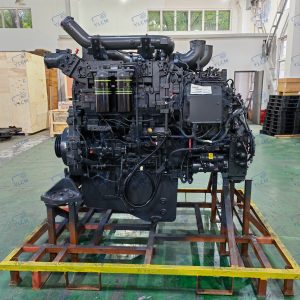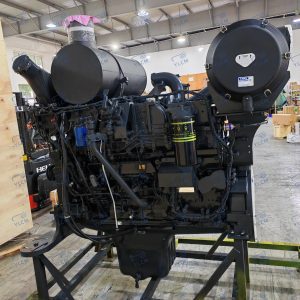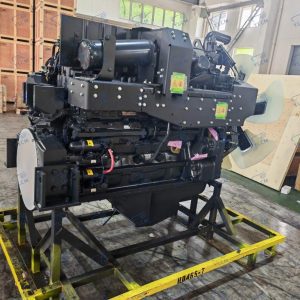

When a Bobcat E32 compact excavator goes down waiting on replacement parts, the cost per hour of downtime usually outweighs any price difference between suppliers. I’ve spent over twenty years in construction machinery parts supply chains, and the pattern is consistent: equipment owners who understand both what their machine needs and how to source it through the right channels get back to work faster. Bobcat E32 excavator replacement parts are available through multiple supply paths, but choosing the right path makes the difference between a two-week delay and a two-day turnaround. This article covers the parts that actually wear, the OEM-versus-aftermarket decision, and how to verify quality before you commit.
Which E32 Parts Wear First and When to Replace Them
The E32’s parts wear pattern follows its work profile. Machines on demolition or rock work chew through bucket teeth and cutting edges faster than units on trenching duty. Machines running on asphalt wear track pads differently than those on dirt. Matching your parts inventory to your actual duty cycle prevents both unnecessary stocking and emergency ordering.
Undercarriage components typically represent the highest replacement frequency on any compact excavator. Track rollers and idlers on the E32 generally reach their service limit between 1,500 and 2,500 operating hours depending on ground conditions and daily greasing discipline. Rubber tracks last anywhere from 800 to 1,500 hours on abrasive surfaces, though operators who avoid spinning turns on concrete can extend this toward the upper end. Sprockets should be inspected every 500 hours and replaced when tooth profiles show visible hooking.
Hydraulic system wear parts include boom cylinder seal kits, which typically need attention between 3,000 and 4,000 hours if the machine sees consistent daily use. Hose assemblies on the E32’s boom and arm are exposed to constant flexing and debris contact. In our experience with machines working in demolition environments with falling material, these can fail as early as 2,000 hours. A proactive replacement schedule based on visual inspection catches most failures before they strand the machine.

Engine service items follow a more predictable pattern. Oil filters every 250 hours, fuel filters every 500 hours, and air filter elements as indicated by the restriction gauge. These are straightforward, but skipping them accelerates wear on far more expensive components.
| Part Category | Typical Replacement Interval | Key Wear Indicator |
|---|---|---|
| Rubber tracks | 800 to 1,500 hours | Cracks, missing tread lugs |
| Track rollers | 1,500 to 2,500 hours | Oil leakage, flat spots |
| Idler assembly | 2,000 to 3,000 hours | Side wear, bearing play |
| Bucket teeth | 200 to 500 hours | Worn past adapter nose |
| Hydraulic seal kits | 3,000 to 4,000 hours | External leakage, cylinder drift |
OEM vs Aftermarket E32 Parts: Separating Specs from Labels
The OEM-versus-aftermarket debate usually misses the real question. Brand labeling matters less than material specification and manufacturing process control. A track roller made from induction-hardened steel with proper seal design will perform reliably whether it carries a Bobcat part number or comes from a specialized aftermarket manufacturer. The specification determines performance, not the packaging.
OEM parts offer guaranteed fitment and warranty coverage that simplifies procurement for single-machine owners. For fleet operators managing multiple compact excavators across different brands, the aftermarket provides consolidation opportunities that reduce supplier count and simplify inventory. The decision should follow your operational priorities rather than a blanket rule.
Where aftermarket parts match OEM quality most reliably: undercarriage components, bucket wear parts, filter elements, and seal kits. These are mature product categories with well-established material standards. Manufacturers who specialize in these components often supply both OEM production lines and the aftermarket from the same factory. Where OEM parts earn their premium: electronic control modules, proprietary software-dependent components, and precision-machined hydraulic pump internals where the aftermarket reverse-engineering process sometimes misses tolerance details that matter under high-pressure operation.
The cost difference varies by part category. Undercarriage components from qualified aftermarket sources typically run 30 to 50 percent below OEM list prices for equivalent material specifications. Hydraulic components show a wider spread, with seal kits offering the strongest aftermarket value and complete pump assemblies warranting closer scrutiny of the manufacturer’s testing protocols.
If you are sourcing E32 parts across multiple categories and need to confirm which components are safe to switch to aftermarket for your specific application and operating conditions, reaching out with your part numbers and machine details to [email protected] can save you from ordering parts that do not match your machine’s actual requirements.
How to Verify E32 Replacement Part Quality Before You Order
Quality verification starts before you see the part. Request material certification documents from any supplier you are evaluating for the first time. For steel undercarriage components, this means heat treatment records and hardness testing data. For hydraulic seal kits, ask for the material specification sheet showing the compound type and temperature range. Suppliers who cannot produce these documents on request are worth avoiding regardless of their price point.
Manufacturing standard compliance provides another filter. ISO 9001 certification indicates a baseline quality management system. For hydraulic components, look for manufacturers who test to cleanliness standards and provide test reports with their shipments. These requirements screen out the low-end suppliers who compete on price alone without the process controls to deliver consistent quality.
Supplier longevity matters more than most buyers realize. A manufacturer who has been producing undercarriage components for fifteen years has already made and corrected the mistakes that a three-year-old operation is still discovering. Ask how long the factory has produced the specific part category you are buying. A general machining shop that added excavator parts to their catalog last year does not have the same depth of application knowledge as a dedicated undercarriage manufacturer.
Red flags include prices significantly below the market average for equivalent specifications, reluctance to share factory audit results or quality certifications, and vague answers about material sources or heat treatment processes. These patterns indicate a trading company passing through parts they have never inspected rather than a manufacturer who stands behind their production quality. Capable suppliers are proud of their quality systems and transparent about their limitations. Those who deflect technical questions usually have something to hide.
Sourcing E32 Parts Through Global Supply Channels
The E32 is a global platform, and its parts supply chain spans multiple manufacturing regions. Most of the world’s aftermarket undercarriage production concentrates in China, Korea, and increasingly India, while hydraulic component manufacturing clusters in Japan, Korea, and China. Understanding where each part category is competitively manufactured lets you target suppliers who specialize rather than generalists who source from others and add margin.
Direct-from-manufacturer purchasing eliminates intermediary markups but requires volume commitments that single-machine owners cannot always meet. Working with a specialized parts supplier who maintains relationships with multiple factories gives you access to consolidated shipments, factory-direct pricing on mixed orders, and quality screening that individual buyers cannot replicate on small orders. This middle ground between dealer parts counters and factory-direct purchasing is where most cost-effective E32 parts sourcing happens.
Lead times from Asian manufacturing centers to North America or Europe run three to eight weeks for sea freight depending on port pair and consolidation schedules. Air freight cuts this to five to ten days at roughly three to four times the shipping cost, which becomes economical when downtime costs exceed the freight premium. If your E32 generates revenue or avoids rental costs at a meaningful daily rate, the air freight premium pays for itself if it saves even half a day of downtime.
Working with suppliers who maintain inventory in multiple warehouses shortens lead times for commonly replaced items. Track rollers, idlers, sprockets, and seal kits are stocked items at established suppliers. Less common parts like specific hydraulic control valves or electronic components may require factory-order lead times regardless of the supply channel.
Getting the Right E32 Parts Without the Wait
Part number accuracy is the single most common source of ordering delays. The E32 has undergone several production revisions, and parts that fit a 2018 model may not interchange with a 2021 unit despite the same model designation. Always confirm your machine’s serial number before placing any order, and provide it to your supplier even when they do not ask for it. The extra thirty seconds prevents the two-week return-and-reship cycle that follows a wrong-part delivery.
Building a small inventory of predictable wear items eliminates the most common downtime scenarios. A set of fuel and oil filters, one complete track roller, a bucket tooth set with retaining pins, and a boom cylinder seal kit represents roughly five hundred to eight hundred dollars in parts that cover the failures most likely to stop an E32 mid-job. This is not speculative stocking. It is insurance priced at the cost of one service call.
For emergency situations where your usual supplier cannot deliver in time, having a secondary supplier relationship already established shortens the scramble from days to hours. Even if you place ninety percent of your orders with one supplier, maintaining an account and past order history with a second source means you can send an RFQ with your machine details already on file rather than starting from zero when a machine is already down.
Parts Sourcing That Matches Your E32’s Real Needs
Equipment downtime follows a simple equation: every hour your E32 sits waiting on parts costs you revenue or rental expense that no parts discount can recover. The smartest sourcing decision is not the cheapest part price. It is the combination of part quality, supplier reliability, and logistics speed that keeps your machine running the highest percentage of available hours.
Aftermarket parts from qualified manufacturers meet the requirements for routine E32 replacements across undercarriage, hydraulic wear components, and engine service items. The key is supplier qualification: request material certifications, verify manufacturing standards, and build relationships with suppliers whose quality systems you have confirmed rather than shopping price alone on every order.
If you need help identifying the correct E32 part numbers for your machine’s serial number range, or want to compare OEM and aftermarket options with actual lead times and specifications, send your requirements to [email protected] or call +86-21-55800172. Include your machine serial number and the part descriptions you are looking for, and we will confirm availability and specifications before you commit to any order.
Common Questions About Bobcat E32 Parts Sourcing
How do I find the correct part number for my E32 when the old part is damaged beyond recognition?
The Bobcat parts catalog organized by system group is the authoritative reference, but it requires your machine’s serial number prefix to return accurate results. Different E32 production series use different part numbers for functionally identical components. If you do not have access to the online catalog, your supplier can look up part numbers using your serial number and a description of the failed component. Providing photos of the worn part alongside a ruler for scale speeds up identification when the part number is not legible on the component itself.
Are aftermarket E32 undercarriage parts genuinely reliable compared to Bobcat-branded components?
In programs we have supported, aftermarket track rollers and idlers from manufacturers with certified heat treatment processes have delivered service life close to OEM components at roughly half the purchase price. The reliability difference is not between OEM and aftermarket as categories. It is between suppliers who control their material specifications and heat treatment and those who do not. Requesting hardness test data and material certifications separates the two groups before you place an order.
What causes the longest delays when ordering E32 parts internationally?
It depends on the destination country, but customs clearance unpredictability and incomplete shipping documentation cause more delays than manufacturing lead time. Working with suppliers who have experience exporting to your country and who provide complete commercial invoices with proper HS codes eliminates the administrative delays that can add a week or more to delivery. For E32 parts, the HS code typically falls under 8431.49 for machinery parts, though specific components may classify differently. A supplier who cannot tell you the correct HS code for the parts you are ordering is likely inexperienced in international shipping.
How do I know whether an E32 part failure indicates a deeper problem with the machine?
Single-part failures with no related damage nearby are usually isolated. When you see wear patterns repeating across multiple components in the same system, investigate upstream. A track roller that fails once is a part issue. Three track rollers failing within 500 hours of each other typically indicates track tension problems, sprocket wear causing uneven loading, or operating patterns that concentrate stress on one side of the undercarriage. Identifying and correcting the root cause prevents replacing the same parts repeatedly. If your failure pattern suggests a systemic issue, share your operating conditions and failure history with your parts supplier before ordering replacements to avoid repeating the same cycle.
If you’re interested, check out these related articles:
How to Choose Cat 320 Excavator Parts for Peak Performance
Choosing Excavator Undercarriage: Performance & Durability for 2026