
Finding the right JCB excavator can feel overwhelming when you’re staring at spec sheets full of horsepower figures and bucket capacities. But in over two decades of sourcing construction machinery parts, I’ve watched too many buyers focus on the upfront machine specs while ignoring what really keeps costs down: the parts supply chain behind it. This guide walks you through a practical selection process that weighs worksite demands, total cost of ownership, and the hidden cost of downtime so you don’t end up with the right machine but the wrong support network.
Clarify Worksite Demands Before Looking at Models
An excavator that excels on a flat urban lot may struggle on a sloped forestry site. Start by listing the physical conditions you face daily. Are you working in tight residential spaces or open industrial zones? What material are you moving mostly—topsoil, clay, or blasted rock? Each variable pushes you toward different machine configurations.

Pay attention to lifting requirements as well. If your work involves setting pipes or manholes, check the machine’s lift capacity at the radius you’ll need. Many contractors discover too late that a compact excavator with enough dig depth can’t safely handle the lift they expect. Ground pressure matters, too. A rubber-tracked mini excavator floats over soft ground, but a heavier steel-tracked machine might bog down. Write down your three most frequent tasks and add the worst-case conditions you’ve seen. That short list will guide every model comparison that follows.
Break Down JCB Excavator Categories by Application
JCB splits its excavator range into several families, each built for distinct jobs. Understanding these categories helps you narrow the field quickly.
| Category | Typical Operating Weight | Max Dig Depth (approx.) | Best For |
|---|---|---|---|
| Mini Excavators (1–2 t) | 1,000–2,000 kg | 2.3–2.8 m | Landscaping, trenching in tight spaces |
| Compact Excavators (3–8 t) | 3,000–8,000 kg | 3.5–4.5 m | Utility work, residential construction, light demolition |
| Crawler Excavators (13–37 t) | 13,000–37,000 kg | 6.0–8.5 m | Heavy earthmoving, quarry work, large infrastructure |
| Wheeled Excavators | 9,000–20,000 kg | 5.0–7.0 m | Road maintenance, urban projects needing mobility |
| Backhoe Loaders | 7,000–9,000 kg | 4.0–5.5 m (backhoe) | General construction, farming, landscaping |
The table sketches broad capability bands, but real-world model selection requires digging further. A JCB 85Z‑1 compact excavator, for example, sits at the heavier end of its class, giving it an edge in breakout force without moving you into a full-size crawler. If you expect to switch attachments frequently, look closely at the auxiliary hydraulic flow rate. A hammer or auger that starves for flow won’t deliver, and upgrading the pump later costs more than choosing the right model upfront.
Total Cost of Ownership Goes Beyond the Sticker Price
A purchase price is only the first number you’ll write down. Over a five-year ownership period, fuel, scheduled maintenance, wear parts, and downtime can easily surpass that initial figure. Track fuel consumption carefully when comparing models. A machine that burns a few extra liters per hour on a 2,000-hour annual schedule adds up to several thousand dollars in extra cost every year.
Then there are wear components: bucket teeth, track chains, sprockets, idlers, rollers, and cutting edges. The price of these items varies widely between OEM and aftermarket channels. Undercarriage parts typically account for a significant share of long-term spend, so check whether replacement parts are stocked locally or whether you’ll be waiting on a shipment every time. In our heavy equipment parts supply work, we regularly see contractors in Central Asia and Africa running machines that need undercarriage components within 18 months because of abrasive soil. They budget for replacement tracks from day one, which keeps cost projections honest.
Don’t overlook resale or trade-in value. JCB machines generally hold value well in markets with strong dealer networks, but documented service history and genuine parts usage make a measurable difference when it’s time to sell.
Parts Supply Chain: The Selection Factor Most Buyers Overlook
Here is where spec sheets fall short. I’ve been in the parts supply side for over twenty years, and I can say with confidence that a machine’s availability of spares determines whether it earns money or sits idle. A two-week wait for a hydraulic component during the construction season often costs more than the premium you’d pay for a model with better aftermarket support.
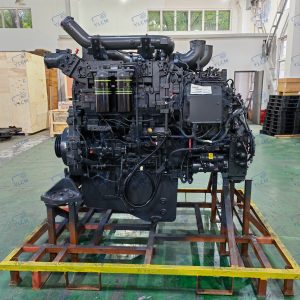
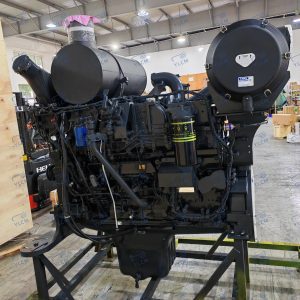
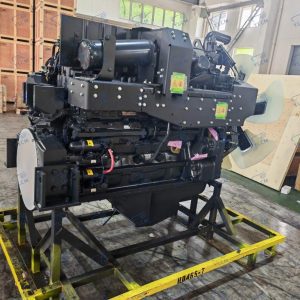
Before you commit to a JCB model, take 20 minutes to call at least two dealers and ask about lead times on the ten most commonly replaced parts for that machine: hydraulic hoses, bucket pins, track adjuster seals, final drive motors, and engine filters. If they can’t put those items in your hands within a few days, you need a backup plan. This is where aftermarket networks like ours become relevant. Because we carry inventory for hydraulic components and engine components covering JCB models, we often ship faster than the dealer system in regions where local stock runs thin. Our guide on JCB Excavator Parts: Functions, Sourcing, and Compatibility breaks down the components that commonly need replacement and how to source them without delay.
Also, check whether the model you’re eyeing shares engine or undercarriage components with other manufacturer platforms. Cross-compatible parts give you a wider supply pool, which lowers lead time risk. Our article Understanding Excavator [Undercarriage Parts](https://www.ylcmparts.com/product-category/undercarriage-parts/) and Their Roles explains the key wear points and what to look for when assessing a used machine. A few simple checks can save you from inheriting a worn-out track frame that needs immediate overhaul.
If your project timeline is tight and you need parts availability guarantees before you buy, share the machine models you’re considering, and we’ll confirm stock status on critical wear items. Reach out at sales@sh-yshuo.com.
Where to Buy and How to Get the Best Deal
Once you’ve narrowed the machine configuration, you still have to choose the right channel. Authorized JCB dealers offer warranty coverage, factory-trained service, and access to genuine parts. That matters for new machines, particularly if your operation doesn’t have in-house mechanics. For a new purchase without financing complications, you can often negotiate the first scheduled service into the deal or secure a discount on a parts package.
In the used market, a documented maintenance history matters more than low hours. Look for service records that show regular engine oil changes, hydraulic fluid sampling, and undercarriage inspections. If you can’t get those records, budget for a full hydraulic fluid analysis and at least one track adjuster rebuild soon after delivery. When buying used from overseas, factor in freight, customs clearance, and the cost of having a local technician go over the machine before it starts earning money. Some buyers we work with in Africa and Southeast Asia combine machine import with a container of spares to lock in lower per-unit freight costs, which cuts the total landed cost meaningfully.
Common Questions About Choosing a JCB Excavator
Which JCB excavator is best for landscaping work?
The 1.5‑ton to 3-ton mini excavator range fits most landscaping tasks. These machines can pass through a side gate, dig trenching for irrigation, and grade with precision. The 8014, 8018, and 8035 ZTS models are common choices, with the larger 8035 offering better stability when handling heavier loads. If you’ll be swapping between a bucket and a flail mower, make sure the auxiliary hydraulics can deliver the flow rate the attachment needs.
Are JCB excavators more reliable than other brands?
Reliability in heavy equipment tends to follow maintenance quality more than brand badge. JCB has a broad dealer network, particularly in Europe, India, and parts of Africa, which helps with parts access. However, we’ve seen well‑maintained machines from all major manufacturers exceed 10,000 hours without a major rebuild. A common misconception is that newer models are always more reliable; in fact, the first year of a new model release sometimes brings component revisions that get sorted later. Checking service bulletins for the specific model year is wise.
How much does a typical JCB excavator cost?
Pricing varies sharply by region and condition. A new compact 8‑ton JCB excavator might range from $80,000 to $120,000, while a 20‑ton crawler can push past $200,000. Used machines from the 2015‑2020 era often trade at 40‑60% of new list price, depending on hours and condition. Ask for a detailed parts and service quote upfront, not just the machine price. The true cost over five years—including fuel, maintenance, and downtime—often adds 20‑30% annually to the purchase price.
What parts wear out fastest on a JCB excavator?
Bucket teeth, cutting edges, track adjuster seals, and hydraulic hoses top the list of predictable wear items. Undercarriage rollers and idlers also degrade with abrasive soil. In our parts supply experience, these components need replacement on a predictable schedule, and we recommend keeping a critical spares kit for the high‑wear items. If your application involves continuous hammer work, you’ll go through bushings and pins at the attachment connection point faster than average. Share your typical job profile and we’ll suggest a spares list tailored to your machine and worksite conditions.
If you’re interested, check out these related articles:
Choosing Excavator Undercarriage: Performance & Durability for 2026
How to Choose the Right Hydraulic Pump Coupling for Your System