
Most downtime on a construction site is not caused by the excavator as a whole; it is caused by a handful of parts that were bought too late or specified too loosely. Excavator parts are not interchangeable simply because they look similar. In more than twenty years of working with OEM supply chains and aftermarket sourcing channels, I have seen that buyers who stay ahead of failures learn components by function, not by price alone. This piece walks through the part groups that determine uptime, and what to check before you place an order.
Excavator Parts That Keep a Machine Productive
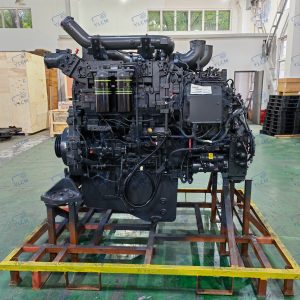
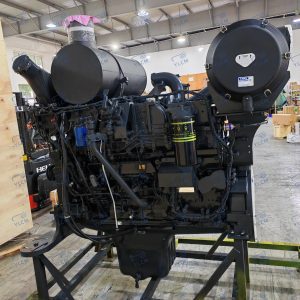
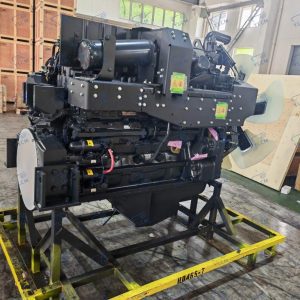
Excavator parts are usually grouped by where the stress is concentrated. The engine and its consumables sit at one end of the maintenance plan, the travel and swing systems at the other, and the structural frame ties everything together. I start every parts review with the engine components group, because a cooling or lubrication failure there produces damage that spreads into the machine quickly. After that I look at the hydraulic work group, then the undercarriage, and only then the attachments and wear items.
That order is deliberate. A failed bucket tooth slows production, but a failed engine or pump stops it. Buyers who stock only attachment wear parts are buying convenience, not uptime.

Engine and Hydraulic Components Worth Specifying Carefully
Engine and hydraulic parts account for a large share of repair cost. The hydraulic components group includes the pump, valves, cylinders, and motors, and a small internal leak often shows up as slow cycle times before any hard failure appears. When a supplier quotes a piston, camshaft, or control valve, I ask for the exact part number, the model serial break, and the production standard. Fitment from an online catalog is not proof of compatibility.
What to Confirm Before Accepting a Hydraulic Quote
Ask the supplier to confirm the part number against the machine serial number, and to state whether the item is new, remanufactured, or parallel production. If the supplier cannot show the factory testing method or warranty scope, treat the quote as incomplete.
Why Early Failures Usually Start Small
Most pump and engine failures do not begin with a sudden break. They begin with rising temperatures, metallic debris in the oil, or a slight loss of pressure. Operators tend to ignore those signals because the machine still works. A parts buyer who treats those signals as ordering triggers, not failure confirmations, can cut severe damage.
Undercarriage Parts That Set the Cost Per Hour
The final drive and the parts around it determine how much money you spend per operating hour. Track chain, rollers, idlers, sprockets, and final drive motors wear at different rates, but they affect each other constantly. A stretched track chain will accelerate sprocket wear, and a worn sprocket will shorten the life of a new chain. That interaction is why undercarriage parts should be assessed as a system, not as separate line items.
| Part | Primary Function | Replacement Signal |
|---|---|---|
| Track chain | Carries machine weight and drives travel | Pin and bushing wear beyond the service limit |
| Track rollers | Support the track frame and spread load | Oil leaks or excessive play at the flange |
| Sprocket | Transmits drive force to the track | Hooked or sharp tooth profile |
| Idler | Maintains track tension and alignment | Grooving or wobble at the hub |
| Final drive | Converts hydraulic flow into travel motion | Gear oil contamination or abnormal noise |
For operations that run in sand, clay, or blasted rock, the wear sequence changes. Sand polishes pins and bushings quickly; clay packs into the chain and creates tension problems; blasted rock cuts and impacts the track shoes and roller flanges. In our sourcing work, the highest undercarriage cost often comes from sites that never adjust track tension between ground conditions. For a closer look at rollers, idlers, and track frame behavior, Understanding Excavator Undercarriage Parts and Their Roles breaks down the function of each component.
If your operation runs in abrasive soil or consistently logs more than 2,000 hours per year, confirm chain pitch, roller hardness, and final drive motor spec before ordering. Send your serial number and operating conditions to [email protected] and we will match the correct build.
Structural Parts and Wear Items That Carry the Load
Structural parts rarely fail suddenly, but the consequences when they do are expensive. Boom, arm, frame, and bracket repairs usually require welding and line boring, and they take the machine out of service for days. We check structural parts for crack indications, pin bore roundness, and the correct material grade before we accept a shipment. A cheap bracket with an undersized or soft pin bore will transfer load into the boom and create a much larger repair.
Bucket teeth, adapters, and cutting edges are wear items, but they deserve a specification review. A tooth that snaps instead of wearing can damage the bucket lip and stop the loading operation. We ask for casting hardness and impact toughness together, because one value without the other produces either rapid wear or brittle failure.
Sourcing Excavator Parts Without Creating Downtime Risk
Downtime is the real cost, not the invoice line. A part that arrives late or does not fit shuts down a machine that earns money by the hour. Shanghai Yanli Construction Machinery Co., Ltd. sources parts against OEM compatibility data and audited production lines in China, Japan, Russia, and the USA. Send your part number and required quantity to [email protected], or call +86-21-55800172 with your delivery timeline. We will confirm stock, specification, and lead time before you commit.
Common Questions About Excavator Parts
Which excavator parts cause the most unplanned downtime?
Unplanned downtime most often starts in the hydraulic system, followed by the undercarriage. A leaking pump seal or a worn track roller can stop work just as effectively as an engine failure, but owners notice the problem later because the machine keeps moving until the damage is deeper. That is why we recommend checking hydraulic hoses, pump pressures, and track roller wear at fixed service intervals, not only when the operator reports a fault.
Is aftermarket quality acceptable for engine and hydraulic parts?
Many buyers assume aftermarket means low quality. That is not accurate. The difference is not whether a part is aftermarket, but whether the supplier can document the production method, material specification, and test standard. Some aftermarket engine and hydraulic parts come from factories that also produce for OEM programs; others are reverse-engineered with looser tolerances. Ask for the specification sheet and a traceable part number, and reject any supplier that cannot show both.
Does pin and bushing wear require full track chain replacement?
Track chain replacement depends on pin and bushing wear. If the bushing outside diameter is still within the manufacturer’s service limit and the pins show no step wear, replacing only the pins and bushings may be viable. If the chain has stretched past the adjustment limit or the sprocket teeth are worn to a hook profile, the full chain should be replaced. Mixing new chain with worn sprockets accelerates wear on both, so the two are usually assessed together.
What information do I need to get an accurate parts quote?
Instead of asking for a price first, ask which records the supplier needs to match the part correctly. An accurate quote usually requires three records: the machine serial number, the part number, and the required quantity. With these, a supplier can check model breaks, engineering changes, and stock positions. Without a serial number, a catalog may show an earlier or later version that does not fit.
How do I avoid buying parts that do not fit my machine serial number?
In the supply programs we run for mining and construction customers, the biggest avoidable error is ordering by model name alone. Excavator builders introduce serial number breaks that change pump, hose, and electrical part versions within the same model range. We check each line against the serial number before release. If you are preparing a parts list, send the machine model, serial number, and part numbers to [email protected] and we will verify compatibility and lead time.
If you’re interested, check out these related articles:
Excavator Seal Kits: Fast 3-Day Delivery for Repairs
Cat 215 Aftermarket Parts Guide: Top Choices for 2026
Sourcing Bobcat E32 Excavator Replacement Parts Without the Wait
Choosing Genuine Cat Excavator Parts Online: Smart Sourcing