
Selecting the best hydraulic pump for boats and excavators is not simply a matter of comparing flow and pressure ratings on a data sheet. It requires matching displacement, mounting configuration, and corrosion resistance to two very different operating environments—a misstep in any one dimension usually results in early failure and unplanned downtime. Having spent over twenty years in heavy equipment parts sourcing, I have seen pumps perform flawlessly on a construction site only to seize within months when transferred to a marine duty cycle because nobody accounted for saltwater ingress or continuous running. This article explains the critical distinctions between marine and excavation hydraulic demands, the specifications that matter for dual-application reliability, and how to verify suppliers so you end up with a pump that works, not one that needs replacing next season.
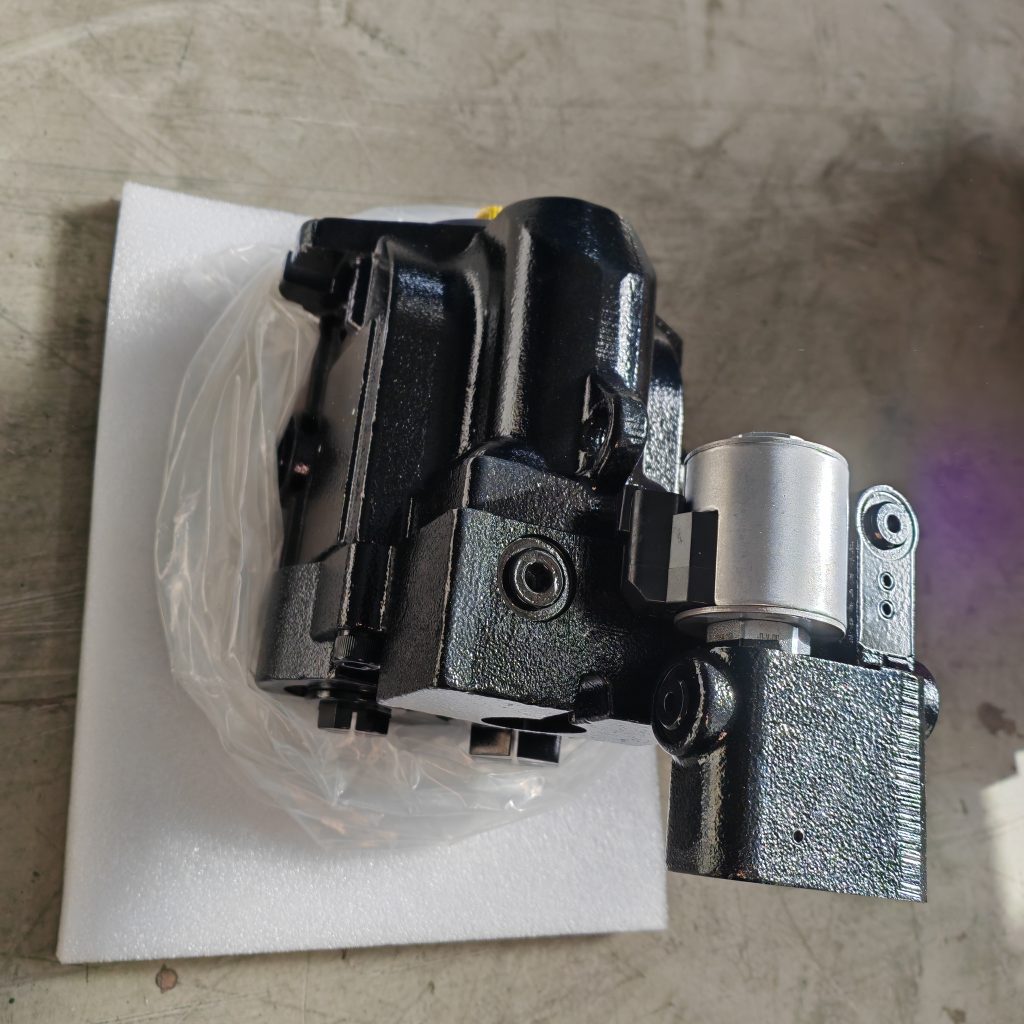
Understanding Marine and Excavator Hydraulic System Differences
Marine hydraulic systems—steering, thrusters, winches, and deck cranes—typically run at moderate pressures but with long duty cycles. Salt spray, humidity, and wide temperature swings demand corrosion-resistant materials and sealed housings. Excavator hydraulic systems operate at higher system pressures, with abrupt pressure spikes when the bucket hits hard ground and frequent flow reversals through the main control valve. Dirt, dust, and vibration are the main environmental threats rather than corrosion. A pump that works well in one environment often fails in the other because the design priorities differ: marine pumps emphasize material selection and continuous cooling, while excavator pumps are built for high power density and shock resistance. If the same pump must serve both applications—common on dredge support vessels, amphibious equipment, or service barges with onboard cranes—the selection criteria must start from the tougher of the two use cases in each area.
Key Specifications for Dual-Application Hydraulic Pumps
Begin with displacement, measured in cubic centimeters per revolution (cc/rev). This determines how much oil the pump moves per rotation and must satisfy the highest flow demand of your excavator attachment or marine implement. Next, confirm the maximum continuous pressure rating exceeds the excavator’s main relief setting; marine systems rarely push pressures as high, so the excavation figure sets the floor. Look at the pump’s duty cycle classification—intermittent-duty pumps built for short bursts will overheat during a boat’s continuous hydraulic demand. Verify the shaft configuration (SAE A, B, or C flange, spline count, and pilot diameter) against both the engine PTO on the boat and the direct-mount pad on the excavator; an adapter plate may be required, but it must not alter alignment tolerance. Finally, evaluate the pump housing and seal materials: cast iron body with anodized aluminum end covers and viton seals will handle salt-laden air far better than standard automotive-grade components. If the specification sheet does not state corrosion test results, request a salt-spray test report before ordering.
Hydraulic Pump Types That Work Across Boats and Excavators
| Pump Type | Pressure Range | Efficiency | Saltwater Durability | Relative Cost |
|---|---|---|---|---|
| Gear Pump | Up to 250 bar | 85–90% | Moderate (requires external coating) | Low |
| Vane Pump | Up to 207 bar | 80–85% | Low (sensitive to contamination) | Low-Medium |
| Axial Piston Pump | Up to 420 bar | 92–95% | High (sealed design options available) | High |
Gear Pumps
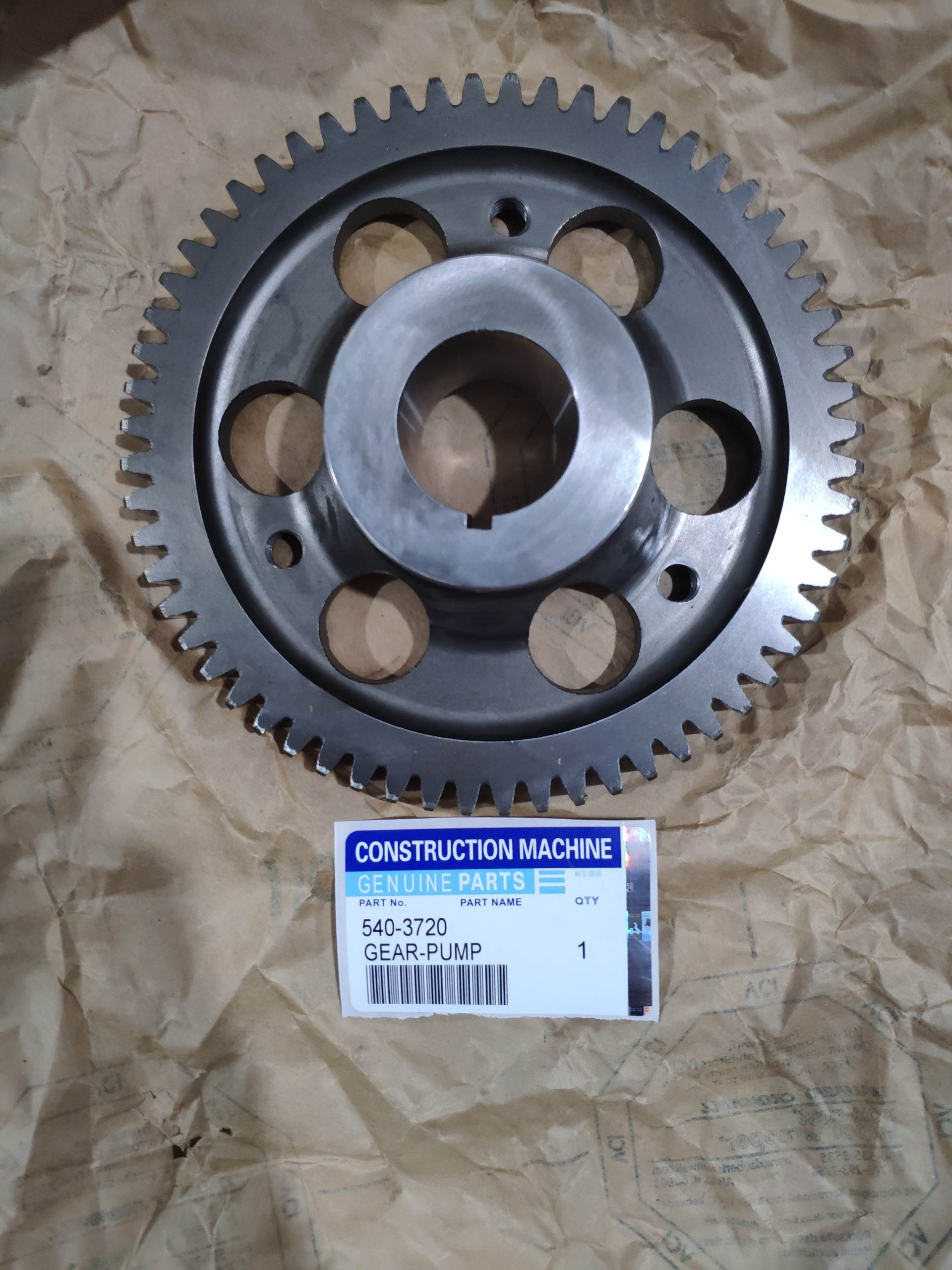
External gear pumps are the most common low-cost option. Their simplicity makes them easy to service, but the tight internal clearances mean they wear faster when salt-crystal abrasives enter the fluid. On an excavator, a gear pump works well for auxiliary circuits like a breaker or thumb; on a boat, it can drive a winch or bow thruster if the fluid is kept clean and the pump is externally coated.
Piston Pumps
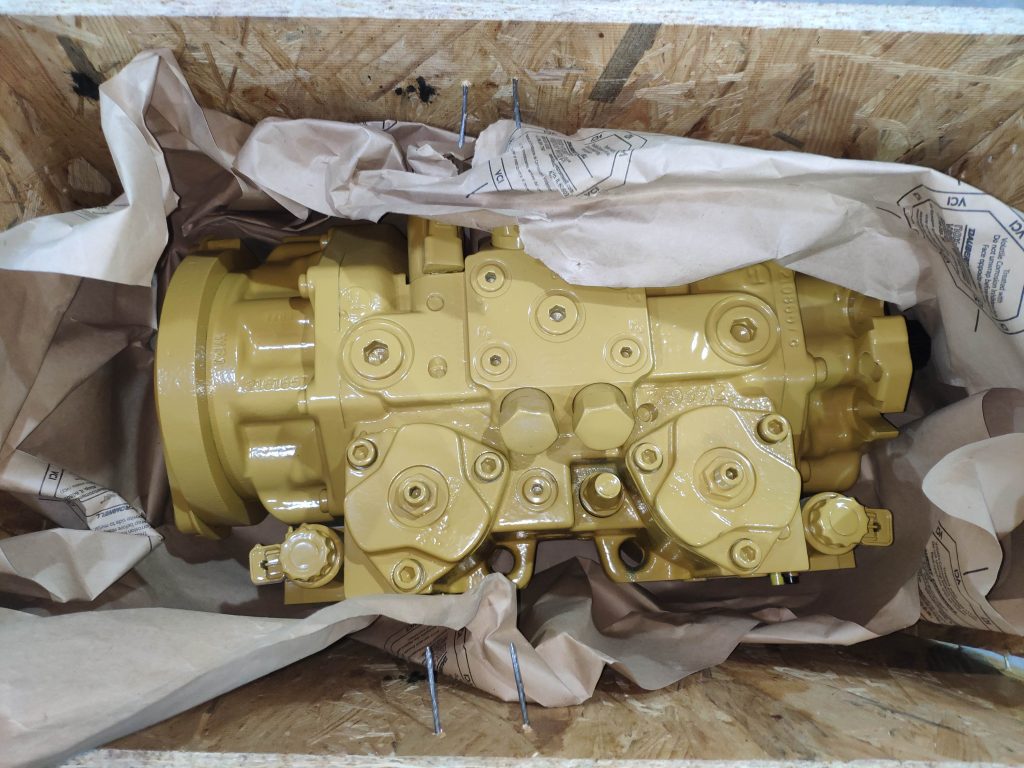
Axial piston pumps handle the highest pressures and deliver the best volumetric efficiency. Movable swashplate designs allow variable displacement, which is ideal when the same pump must power both a high-flow excavator attachment and a lower-flow marine function without throttling energy into heat. Many manufacturers offer marinized piston pumps with stainless steel hardware and double-lip shaft seals rated for intermittent immersion—look for these if the pump will be mounted below deck.
Vane Pumps
Vane pumps operate quieter and are often preferred on vessels for comfort, but they are the least tolerant of dirty oil or salt contamination. They are rarely a good fit for excavation duties unless the hydraulic system has full-flow return filtration below 10 microns. For dual-use scenarios, vane pumps typically drop out of consideration unless the marine environment is the primary and the excavator use is occasional and light.
Sourcing Reliable Pumps for Marine and Construction Use
The best specification is worthless if the pump that arrives is not built to it. I always recommend qualifying suppliers on three points: a documented quality management system (ISO 9001 minimum), genuine part traceability from known OEM or licensed aftermarket production lines, and a history of export orders to end users who operate in similar conditions. Ask for a recent salt-spray test certification for the exact model you are purchasing, not a generic brochure claim. Over the past two decades, I have found that suppliers who are willing to connect you directly with their quality engineer—not just a sales representative—tend to ship parts that match the spec sheet. Our own company relies on direct cooperation with over 20 OEM and aftermarket manufacturers across China, Japan, Russia, and the United States, which gives us the ability to cross-reference multiple production sources for the same hydraulic pump platform and verify consistency. For a detailed look at sourcing approach, see our excavator hydraulic pump sourcing guide.
If the pump you need is a less common combination—say, an SAE B flange, 28 cc/rev variable piston pump with approved corrosion protection—it is worth confirming availability and lead time before finalizing your bill of materials.
Installation, Maintenance, and Aftermarket Support
Before installation, flush the entire hydraulic system to the cleanliness level specified by the pump manufacturer, because mixing marine and construction-grade fluids without flushing carries particulate and salt residue into the new pump. Use the hydraulic oil grade recommended for the higher operating temperature of the two applications; if the excavator calls for ISO VG 46 and the marine gear for ISO VG 32, the 46 is generally the safer choice for lubrication film strength. After installation, run the pump at low pressure for the first half hour and check for leaks at all flange faces.
Establish a routine inspection schedule every 250 operating hours: check shaft seal area for weeping, listen for cavitation noise under load, and sample the oil for visible saltwater emulsion. Pumps that see intermittent salt exposure—common when a boat-mounted excavator works in tidal zones—should have their cases rinsed with fresh water after each shift to prevent external corrosion pitting on the mounting flange.
Technical support from the pump supplier becomes especially valuable when a pump is used across two very different machines. A supplier who can review your operating logs and help adjust relief settings or recommend a different filter configuration can extend pump life significantly. For a broader discussion on matching pump specifications to your equipment, refer to our guide on choosing the right excavator hydraulic pump.
Getting the Right Pump Without the Guesswork
A hydraulic pump that must work on a boat and an excavator sits at the intersection of marine durability and construction-grade power density—two requirements that many off-the-shelf pumps are not designed to meet simultaneously. Matching displacement and pressure is a given; the part that trips up most buyers is verifying corrosion protection, duty cycle, and supplier capability before purchase. We help fleet operators, repair workshops, and construction contractors confirm specifications by cross-referencing your part number and application details with manufacturing data from multiple supply channels.
For a direct specification and compatibility check, send your pump part number and estimated flow and pressure requirements to sales@sh-yshuo.com or call +86-21-55800172. We will confirm technical suitability, available inventory, and realistic lead times before you commit.
Common Questions About Hydraulic Pumps for Boats and Excavators
Can a single pump power both a boat thruster and an excavator attachment?
Yes, but only with a properly sized variable-displacement piston pump coupled to a priority flow divider or diverter valve. The pump must be driven by the engine PTO on the vessel; direct-mounting it to an excavator engine would require an adapter and alignment check. The flow divider ensures each circuit receives its required flow independently, preventing one function from starving the other.
How do I protect a hydraulic pump from saltwater corrosion?
The most effective combination is a pump with anodized aluminum body sections, stainless steel fasteners, and a double-lip fluoroelastomer shaft seal. Externally, apply a marine-grade protective coating such as two-part epoxy to exposed cast-iron surfaces after installation. Internally, maintain the oil’s demulsification property by changing the filter every 125 hours in saline environments—water contamination degrades the oil’s ability to separate from seawater ingress.
What displacement is right for my application?
Start with the highest flow demand: if your excavator attachment requires 60 liters per minute at rated engine RPM, and the marine equipment needs only 40 L/min, then the pump must deliver at least 60 L/min. Displacement (cc/rev) = (flow in L/min × 1000) / (engine RPM × volumetric efficiency). For a 60 L/min demand at 2,000 RPM and 0.92 efficiency, the calculation gives roughly 32.6 cc/rev, so a 33 cc/rev pump is the minimum.
Is it safe to buy aftermarket hydraulic pumps from overseas suppliers?
It is safe if you verify that the supplier holds ISO 9001 certification, provides a salt-spray test report for the specific pump model, and can supply at least three reference customers who used the pump in marine or high-moisture conditions. Stay away from suppliers who cannot share the production quality control documentation or who only reference general brand specifications without model-specific data.
How often should I service a dual-use pump?
Inspect the pump externally for leaks and corrosion every 100 operating hours when used in salt air, and pull an oil sample for particle count and water content analysis every 250 hours. If the particle count rises above ISO 4406 code 20/18/15, flush the system and change the filter. A pump that is used on both a boat and an excavator will accumulate contaminants faster than a single-application unit, so trending the oil analysis data is the most reliable way to set the right service interval. Share your specific operating schedule and we will help you build a maintenance checklist that keeps the pump within warranty conditions.
If you’re interested, check out these related articles:
Common Mini Excavator Bucket Parts and Replacement Choices
How to Choose Cat 320 Excavator Parts for Peak Performance
Sourcing Quality Kubota Mini Excavator Parts Step by Step