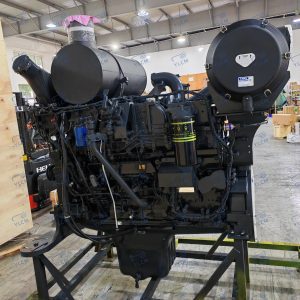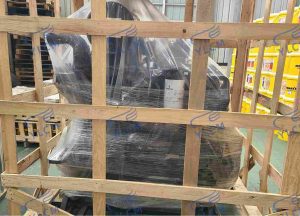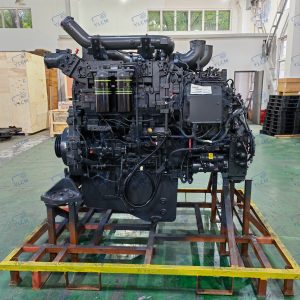

A low price on a used Bobcat 325 excavator part looks good until the part arrives with no condition report and no return path. The difference between a working machine and a repeat failure usually sits in what you confirm before payment. In our work with repair workshops and contractors, machines are rarely hurt by buying used. They are hurt by buying without a condition note, a return window, or an application check. Bobcat 325 excavator used parts can be a sound move when sourcing is treated as a qualification step, not a price-only transaction.
Used Bobcat 325 Excavator Parts Worth Reusing
Not every used component is a good save. On a Bobcat 325, the parts that usually justify used pricing are the ones with a measurable wear surface and a known failure mode. undercarriage parts fall into that group when the original shoes still have serviceable grouser height and the pins have not been hammered past the factory limit. Swing drives, travel motors, hydraulic cylinders, and bolt-on structural members can also work if the owner took them off a low hour donor machine and can show you that history.
The wrong used buys are usually the cheap wear items that are already near the end of their life: spent track bushings, scored cylinder rods, cracked mounting brackets, or electrical parts with no test record. Those tend to cost more once you add freight, installation labor, and early replacement.
| Part Type | When Used Makes Sense | What to Check |
|---|---|---|
| Track shoes and chain | Grouser height remains above replacement limit | Pin and bushing slack, shoe wear pattern |
| Idlers and rollers | No flat spots or seal leakage | Spin resistance, end play, housing cracks |
| Final drives | Low hour takeout with test record | Oil sample, output shaft play, case cracks |
| Hydraulic cylinders | Straight rod, no deep scoring | Drift, seal weeping, barrel pitting |
| Pins and bushings | Measurements sit inside tolerance | Bore roundness, visible galling |
A used part is worth more when the seller can state which machine it came from and why the machine was dismantled. If the answer is vague, the part should be treated as a core only.
High-Wear Areas on the Bobcat 325 Excavator
The 325 is a compact machine, but it still carries the usual high wear areas: the track group, the slew mechanism, boom-to-arm joints, and the bucket linkage. In the parts requests I see, undercarriage wear usually ages faster in sandy or rocky working conditions because fine material accelerates pin and bushing abrasion. Operators often notice the machine moving less crisply before the visible wear is obvious.
Why One Worn Part Becomes Three
The failure sequence matters more than the part list. A worn sprocket shortens track link life. One loose idler puts extra load on the other rollers. A cylinder that leaks slowly is often run too long before the rod is scored beyond economical rebuild. I would rather replace the first failed component early than wait for a cascade of damage that turns one used part into three.
Trusted Supplier Checks for Used Bobcat 325 Excavator Parts
Price stops being the first question once you learn to read a supplier’s response. I ask for a photo of the actual part before cleaning, the part number from the tag or casting, and the donor machine serial number when available. A supplier that can produce these in one message has a process. A supplier that cannot show the actual part you will receive is selling from a stock photo or a generic catalog listing.
For hydraulic components, the next check is testing evidence. Ask whether the pump or motor was pressure tested after removal, how it was capped, and what the shipping protection looks like. The answers are not just about the part. They reveal how the supplier handles claims and handovers.
If your machine is down, do not compare two used options on price alone. Send the part number, machine serial, and photos of the failed area to sales@sh-yshuo.com and ask for a written condition report before you finalize. That single step removes most of the guesswork.
The same qualification works for smaller Bobcat models. Sourcing Bobcat E32 Excavator Replacement Parts Without the Wait shows how lead time shortens when part numbers, serial numbers, and condition photos are gathered before the first quote.
Condition Verification Without Seeing the Part
Most buyers cannot stand in front of the part before payment. That is normal. What matters is whether the seller can make the part visible enough to inspect remotely.
The Photo Set That Reveals Condition
A short video of the component rotating, a photo of the identification tag, a measurement shot with a caliper or tape against the bore or rod, and an oil sample tray for a final drive tell you more than a cleaned-up marketing photo. On cylinder rods, look for longitudinal scoring rather than light surface staining. On seals, ask whether the replacement kit is matched to the rod diameter and pressure rating. On electrical parts, ask for a test sheet or a powered bench check, not just continuity.
If a supplier pushes back on a measurement photo or says it is too much work, that is useful information. A serious seller wants clear records because those records reduce disputes later. A buyer should expect the same standard.
A Sourcing Path That Removes the Guesswork
The risk with used Bobcat 325 excavator parts is not the fact they are used. It is the missing condition data, the unclear return policy, and the supplier who disappears after payment. Repair workshops lose more money chasing the cheapest quote than they do paying a fair price for a documented part.
The path that removes most of that risk is short. Gather the part number, the machine serial number, and a photo of the failed area. Send those to a supplier that will answer with a condition note, a test result where relevant, and a written warranty window. If the supplier will not put the warranty in writing, treat the part as unverified.
At Shanghai Yanli, we ask for the same records from our sources that a buyer should ask from us. Send your part number and delivery deadline to sales@sh-yshuo.com, or call +86 21 55800172 and ask for a condition report and stock confirmation before you commit.
Common Questions About Used Bobcat 325 Excavator Parts
Can I buy a used Bobcat 325 excavator part without seeing it?
Yes, but only when the condition evidence is supplied in writing. Ask for the actual part photo, part number, donor machine serial number, and any available test record. If a seller cannot produce the actual part photo, you are buying a listing, not a part. Remote buying works when the standard is clear before payment: written condition, return window, and shipping protection. The risk is not the distance. It is the absence of records.
What is the difference between used, rebuilt, and aftermarket parts for the 325?
It depends on what failed and how long the machine can sit. Used parts are taken from a donor machine and should arrive with wear history and a warranty window. Rebuilt parts are repaired to a stated standard, usually on a core exchange basis. Aftermarket parts are new but made outside the OEM system. For a working 325 that needs a quick repair, a documented used or rebuilt part often fits the budget. For a long term rebuild, compare the rebuild standard and warranty before choosing.
Are used Bobcat 325 excavator parts covered by warranty?
A common assumption is that used parts carry no protection, but that is not true. Many serious suppliers offer a short written warranty covering fit, function, and condition for a defined window. The key is to ask for the warranty before payment and to confirm what the seller will do if the part fails: replacement, refund, or repair. A vague verbal promise is not a warranty. If a supplier cannot write the terms in the quote, do not assume gaps are covered.
How do I confirm a used part will fit my specific 325 serial number?
In the parts requests I review, the machine serial number is the fastest way to eliminate wrong application. I ask the buyer to send the full serial number and a photo of the old part from two angles. Then I check the part number against the model range and any running changes. The same logic applies when you compare suppliers. If they do not ask for a serial number or warn you about a serial break, they may just be matching the model name, which is not enough. Share your part number, photos, and delivery date, and we will confirm application, condition, and stock before you commit.
If you’re interested, check out these related articles:
469334 Excavator Part: Function and Application Explained
Safe Shipping Excavator Parts: Protecting Your Heavy Machinery Investment
How to Extend Caterpillar Excavator Wear Parts Life: Tips
Locating an Excavator Hydraulic Pump: A Sourcing Guide
How to Choose Cat 320 Excavator Parts for Peak Performance