
On a Cat 305D, the most expensive aftermarket part is usually the one bought after a small failure became a full component replacement. The maintenance pattern matters more than the brand on the box. I spent more than two decades inside heavy equipment parts supply chains before starting Shanghai Yanli Construction Machinery, and the 305D failures I see are predictable: hydraulic leaks at hose ends, track wear from tight turns, and air filter neglect in dusty work. A workable aftermarket parts plan starts with those wear points and turns service history into a buying list. That sequence is what I recommend for owners, mechanics, and procurement teams.
Where Does the Cat 305D Wear First?
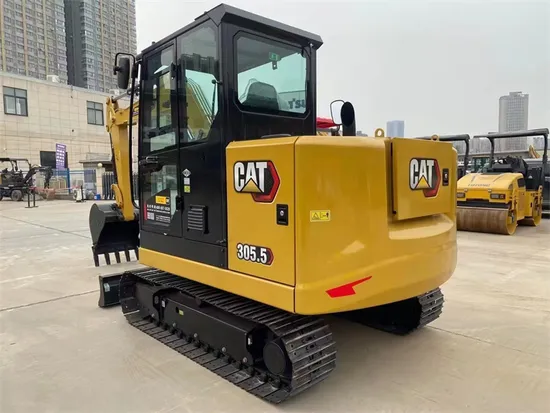
The 305D is a compact machine that spends most of its working life close to foundations, trucks, and fences. That operating envelope concentrates wear at the boom foot, the stick pivot pins, the bucket bushings, and the hose runs that flex every time the operator swings. When I receive a parts request for this model, I look at three records before the part number: the greasing log, the hydraulic oil condition, and the track tension history. A dry pin or a weeping cylinder usually appears in those records before it becomes a failed component. Replacing a rod seal early is a simple job; ignoring it scores the chrome and turns a seal kit into a cylinder repair. The older the machine gets, the more those small leaks become a direct threat to the main pump and control valve.
Which Aftermarket Parts Match Your 305D Duty Cycle?
Aftermarket selection should follow the work the 305D actually performs, not the parts catalog alone. A trenching machine wears bucket teeth and hoses; a hammer carrier stresses the hydraulic system and the bracket welds; a grading machine puts hours on the final drive and idlers. Before I quote a parts list, I ask how many hours per week the machine runs attachments and whether it works in rock, clay, or demolition dust. That answer changes the oil sample interval, the seal compound, and the filtration spec. For hydraulic parts, flow and pressure matter more than the part number. Hydraulic components should be matched to the attachment’s actual flow and pressure, not to a nominal model spec.
How Can You Keep the Undercarriage From Consuming the Budget?
On a tracked mini excavator, the undercarriage usually carries the largest wear cost over the machine’s life. The 305D needs consistent track tension, clean idlers, and straight frame alignment. Operators who spin the tracks on concrete or turn hard on curbs wear the sprockets and chains far faster than the rubber pads. I ask owners to measure pitch stretch across five track links with a caliper. If the pitch is at the wear limit, no amount of tension adjustment will restore track life.
| Wear point | What I check | Replacement signal |
|---|---|---|
| Track chain | Pitch stretch across five links | Replace the chain when pitch reaches the link wear allowance |
| Bottom rollers | Oil leakage or flat spots | Replace rollers before the rail faces wear unevenly |
| Front idler | Side play and tread depth | Idler wear changes track tension and accelerates chain wear |
| Drive sprocket | Tooth root wear | Worn roots cause jumping and rapid chain wear |
| Track adjuster | Grease leakage and rod condition | A leaking adjuster can lock the track if left too long |
For replacement undercarriage parts, I ask for the part number and measured wear, not just a photo. Photos work for a pricing ballpark, but measured wear prevents buying an entire group when a single roller is the problem.
What Should a 305D Parts Forecast Include?
Service intervals should drive the parts forecast rather than waiting for a fault. On most 305D machines I review, I build the list around the 250-hour engine oil service and the 500-hour hydraulic filter window. A dusty demolition job shortens the filter and air cleaner replacement cycle. A hammer application shortens hydraulic oil life because the attachment returns heat and debris into the system. The forecast should include the next filter set, the hydraulic oil volume, the seal kit for the cylinder that is starting to weep, and two spare bucket teeth if the machine is in rock.
Before placing the order, the sourcing decision deserves the same discipline as the service interval. For a 305D, I treat engine control and safety items as genuine parts only and evaluate aftermarket for wear parts that can be inspected on arrival. That screening process is laid out in Choosing Genuine Cat Excavator Parts Online: Smart Sourcing. The same serial number and duty cycle information drives that decision.
If the machine is above 4,000 hours and the main pump has never been flow tested, it is worth confirming flow and pressure before finalizing a hydraulic parts order. Send the serial number and current hour meter reading to sales@sh-yshuo.com, and we will check whether the pump tag and coupling match the failure you described.
What Should You Send Before Ordering 305D Parts?
The typical 305D parts request fails because it arrives with a photo and a rough description, but no serial number and no measured condition. That turns a sourcing decision into a guess. The fix is to send the failure context that lets a supplier see the same machine you are looking at. Include the machine serial number, current hours, the exact part number if you have it, and one clear measurement. For seals, send the rod diameter and groove depth. For undercarriage, send the measured pitch or the roller wear. For hydraulic parts, send the pump tag and the last flow test result.
Send that list to sales@sh-yshuo.com. For a down machine, call +86-21-55800172 and state the part number, application, and delivery deadline. We will confirm stock and compatibility from direct OEM and aftermarket manufacturer channels before you commit.
Which 305D Cat Excavator Maintenance Questions Come Up Most?
Should I Use Aftermarket Parts for the 305D Hydraulic System?
Yes, when the hydraulic parts are matched to the pump’s actual pressure and the attachment’s flow demand. Cylinder seal kits, O-rings, and backup rings are safe aftermarket choices if the elastomer compound matches the hydraulic oil spec. Pumps, main relief valves, and electronic controls deserve a stricter check on flow tolerance and machining quality. Before buying, ask whether the supplier can state the pressure rating, flow range, and material specification, not just the part number.
Are Aftermarket Undercarriage Components Worth the Saving on a 305D?
Many owners assume an aftermarket chain is simply cheaper, but the real saving comes from matching the link pitch and roller hardness to the work. Undercarriage components are worth the saving when the chain and sprocket are replaced as a set. Mixing a new chain with worn sprockets creates fast wear and hides the benefit of the lower price. I would use aftermarket undercarriage for dry or light applications, and choose a higher specification rail group for rock work.
How Do I Find the Correct 305D Part Number if the Tag Is Missing?
If the serial plate is unreadable, start from the engine tag, the pump tag, and the hydraulic hose layout. For older machines with a missing tag, the parts request should include cylinder bore dimensions, hose fitting types, and photographs of the control valve. That information lets a supplier cross-reference the build configuration. For gray market or repainted units, a casting number on the main structure is more useful than a model decal.
When Should the 305D Track Adjuster Be Replaced Rather Than Resealed?
In machines we have quoted for owners in abrasive markets, the adjuster usually needs replacement when the rod is scored or the grease path has been ignored for several seasons. A reseal works only if the rod is clean and the gland bore is not pitted. If the track cannot hold tension for more than a few hours, inspect the rod and the seal surface before ordering a repair kit. Share the serial number and a photo of the adjuster with sales@sh-yshuo.com, and we will confirm whether the seal and piston are available separately.
If you’re interested, check out these related articles:
307 Cat Excavator Parts: Your Guide to Simplified Maintenance
Excavator Implements: Types, Uses, and Sourcing Tips
Sourcing Bobcat E32 Excavator Replacement Parts Without the Wait
JCB Excavator Parts: Functions, Sourcing, and Compatibility
Using Caterpillar Excavator Parts Catalogs: Maximize Uptime