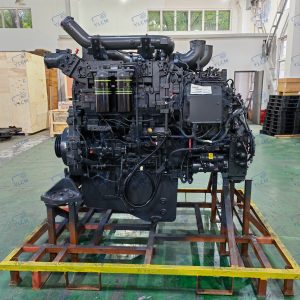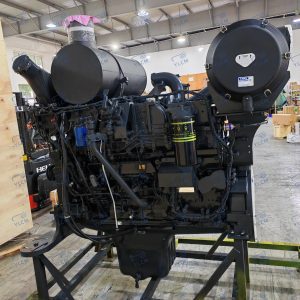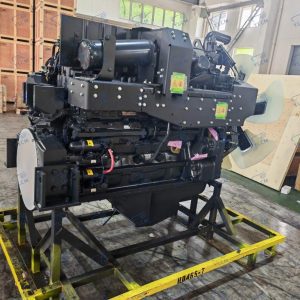

Contractors and fleet managers in Perth rely on Daewoo excavators for their balance of power and cost. Sourcing replacement parts for this specific brand in Western Australia comes with a few challenges that are different from what you deal with for more common machines. The aftermarket channels can fill the gap, but only if you know how to verify what is being supplied and how to structure your procurement process. I have spent over two decades in heavy equipment parts supply chains, and the principles for securing reliable Daewoo excavator components in a market like Perth are not the same as walking into a local dealer. The smart path is to treat parts sourcing as a supply chain decision, not a one-off purchase.
Why Daewoo Excavator Parts Can Be Hard to Find in Perth
Daewoo heavy equipment, now part of the HD Hyundai group, does not have the same extensive dealership footprint in Australia as Caterpillar or Komatsu. This means the number of authorized outlets in Perth that stock a full range of Daewoo excavator parts is limited. Many components are not held locally, and lead times from factory networks can stretch into weeks. For a working excavator, that is downtime a contractor cannot afford.
The practical reality is that most Daewoo machines in the Perth region are running on a mix of OEM and aftermarket parts. The challenge is not just finding a part number, but finding a part that meets the machine’s actual duty cycle. Without a reliable source, the buying process turns into a guessing game of compatibility and quality. This is where understanding the difference between a supplier and a genuine sourcing partner becomes critical.

How to Confirm a Daewoo Part’s Quality Before You Order
The first rule is to always work from the machine’s parts book or the OEM part number. A visual match is not enough. Many excavator parts across brands look similar but have internal differences in heat treatment, material grade, or tolerance. Daewoo excavators, particularly the Solar and later series, have specific engineering requirements that generic “fit-all” parts often miss.
Ask the supplier for three things: the material specification for structural or wear parts, the testing standard used for hydraulic components, and a written warranty that covers both the part and any consequential damage from a part failure. Suppliers who cannot provide this detail are usually reselling commodity parts without the engineering context. In my supply chain work, I have learned that a supplier who is confident in their product will share test reports and batch traceability without hesitation.
This is one of the areas where understanding the critical components really matters. We have covered this in detail in our article What Really Matters When Sourcing Excavator Parts: A Breakdown of Critical Components, which explains the engineering differences between commodity-sourced parts and those built to machine-specific specifications.
OEM vs Aftermarket Daewoo Parts: Making the Right Choice for Your Operation
OEM parts are designed and tested to the original factory specifications. For safety-critical components or new machines under warranty, OEM is the safe route. The downside is cost and availability. An OEM hydraulic pump or final drive for a Daewoo excavator ordered through official channels can take several weeks to arrive in Perth, and the price reflects the branded packaging.
Aftermarket parts from specialized manufacturers often match or exceed the original specification, especially for wear parts like undercarriage parts, bucket teeth, and cutting edges. The key is to choose aftermarket parts that are made on the same original tooling or reverse-engineered with proper material analysis, not generic copies. Quality aftermarket suppliers will state the material grade, such as 42CrMo for pins or specific hardness values for bushings, and they will have a documented failure analysis process.
For older Daewoo machines in Perth where OEM support has already been phased out, a well-sourced aftermarket part is not just a cost-saving option, it is sometimes the only option to keep the machine running. The decision should be based on the part’s function, the machine’s remaining life, and the cost of downtime.
The Global Supply Chain That Delivers a Daewoo Part to Perth
Every part, whether OEM or aftermarket, moves through a chain that involves manufacturers, quality inspectors, freight forwarders, and customs agents. For a Perth buyer, the advantage of working with a supplier that understands the full chain is that the supplier can manage the logistics and pre-shipment quality checks on your behalf.
A typical path for a Daewoo excavator hydraulic pump sourced through our network starts with a factory that specializes in hydraulic components for construction machinery. Before shipment, the unit undergoes a bench test under load, and the test report is shared with the buyer for approval. The part is then packed in export-grade crating, documented with a commercial invoice and packing list, and shipped via air or sea to Perth. The supplier handles the customs clearance paperwork so that when the part arrives, it is ready for pickup or delivery to the job site.
This end-to-end visibility reduces the risk of receiving a part that does not match the specification. It also means you are not left guessing about customs duties, inspection fees, or unexpected logistics costs. When I am helping a Perth contractor source a transmission part or engine component, I want them to know exactly what they are paying for, not just the part price but the total landed cost. That level of transparency is what builds long-term supply relationships.
What to Expect When Importing Daewoo Parts into Perth
Australia has strict biosecurity and import regulations, and the Australian Border Force enforces accurate tariff classification. The HS code for excavator parts generally falls under heading 8431.49. Getting this classification wrong leads to delays and additional duties. A responsible supplier provides the correct HS code and ensures that the goods are clean and free of soil or organic matter, which avoids quarantine holds.
For Perth buyers, freight consolidation can be more cost-effective. Instead of air-freighting one sprocket or one idler, it often makes sense to build a consolidated order of planned maintenance parts and ship them together. Sea freight to Fremantle is reliable and significantly cheaper per kilogram for heavy items. I advise contractors to plan their parts needs 4–6 weeks ahead when possible, which allows sea freight and avoids the high cost of urgent air shipments.
A Smart Sourcing Plan to Keep Your Daewoo Machine Productive
The most effective approach is to move from reactive buying to proactive procurement. Start by creating a list of the 20 parts most likely to need replacement for your specific Daewoo model, based on the machine’s service history and the supplier’s failure data. Then, identify one or two trusted suppliers who can provide predictable lead times and consistent quality, and establish a direct line of communication with them.
When you find a supplier that delivers what they promise, stick with them. Changing suppliers for a small price difference often introduces new unknowns in quality and documentation. The cost of a single unexpected failure on a job site far outweighs any saving on the part unit price.
If you are managing a Daewoo fleet in Perth and need a reliable supply of parts that come with documented quality and managed logistics, start with your machine’s part numbers and a description of your working conditions. Our team at Shanghai Yanli can match your requirements with the right manufacturing source and handle the full import process to your door.
Our supply network includes specialist factories for Daewoo excavator structural components, radiator assemblies, and hydraulic system parts, all backed by pre-shipment inspection reports. Send your part numbers and the quantity you need to sales@sh-yshuo.com, or call +86-21-55800172 to discuss your requirements. We will provide a formal quotation with lead time, test data, and total landed cost so you can make a decision with full information.
Common Questions from Daewoo Owners in Perth
Can I trust aftermarket parts for a Daewoo excavator working in harsh mining conditions?
Yes, if they are sourced correctly. The key is not whether a part is labeled aftermarket, but what material standard and quality process the manufacturer follows. In many cases, a specialized aftermarket manufacturer produces components for the same original equipment supply chain. Demand the specification sheet and test report, not a sales pitch. If your machine is in continuous hard digging, choose aftermarket parts with a documented heat treatment and hardness that match or exceed the OEM standard.
How do I avoid getting a part that does not fit my Daewoo model?
Always provide the OEM part number and the machine’s serial number, and double-check the supplier’s cross-reference. Even within the same Daewoo model series, there can be serial number breaks where a component changed. A competent supplier will confirm the fitment using both the part number and the machine’s serial number range. If a supplier does not ask for the serial number, find one that does.
What is the typical shipping time for Daewoo excavator parts to Perth?
Air freight can deliver within 5–7 days for stock items, while sea freight to Fremantle usually takes 25–35 days. The biggest variable is the supplier’s own stock level. Parts that are kept in finished inventory ship within days; parts that need to be manufactured add 2–4 weeks to the lead time. Always confirm the stock status before placing an order, not just the generic lead time.
How can I reduce the total landed cost when importing Daewoo excavator parts?
Consolidate orders and choose sea freight for non-urgent parts. Duty and GST are calculated on the CIF value, so accurate classification under HS 8431.49 is important. Also, work with a supplier that uses clean, soil-free packing and correct fumigation certificates to prevent quarantine inspection fees. Small mistakes in documentation can add hundreds of dollars in unexpected charges.
Is it worth building a relationship with a single supplier rather than shopping around each time?
Yes, absolutely. A supplier who knows your fleet, your maintenance schedule, and your preferred shipping method will anticipate your needs, keep buffer stock for you, and catch specification errors before they leave the factory. This type of partnership reduces the administrative burden and lowers the risk of receiving an incorrect part. If you have a specific Daewoo model you are trying to support, share your requirements and we can confirm the availability and documentation package for the parts you need most often.
If you’re interested, check out these related articles:
Fluid Coupling: Principles and Industrial Applications in 2026
Locating an Excavator Hydraulic Pump: A Sourcing Guide