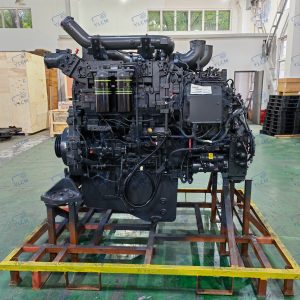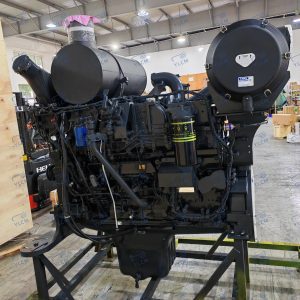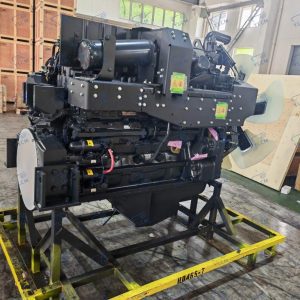


Used Bobcat excavator parts can keep a compact machine on the job without new OEM cost, but the purchase only works when the removed component has measurable remaining life and a clear condition record. In my years in construction machinery parts supply, I have watched buyers save real money on the right used hydraulic and driveline components, and I have seen failures from parts that looked correct by number but were wrong internally. The difference is verification: serial range, inspection evidence, seller accountability, and a disciplined comparison of used, rebuilt, and aftermarket options. Price alone tells you very little.
Confirm the Serial Range and Part Number First
Used Bobcat excavator parts change across production series, so a swing motor or travel motor listed as fitting a general model range is not enough. Ask for the complete part number, the machine serial number, and the application serial range from the seller. Two machines with the same model badge can use different control valve revisions or different engine plumbing. If the seller cannot supply the part number or only repeats the model, I would treat the part as unverified.
The same document discipline applies regardless of machine brand. How to Order John Deere 35D Excavator Parts Online shows how much faster a parts lookup becomes when the serial number is in hand, and it explains why guessing from a model name creates rework later.

Separate Worthwhile Used Bobcat Excavator Parts From High-Risk Units
Not all used parts carry the same risk. A steel boom or arm section with no cracks can be a good buy. A used final drive is worth evaluating only if the seller has an oil sample, a noise test under load, or a short return window. Soft parts such as seals, o-rings, gaskets, and filters are poor used purchases because their failure cost is low but the labor to replace them is high. Electrical controllers and wiring harnesses are also high risk unless the exact part number and wiring revision are confirmed.
Inspect High-Wear Components Before You Pay
High-wear parts should be inspected by photo, video, or in person before payment. For used undercarriage parts, ask for close-up images of the bushing bores, pin faces, sprocket tooth profile, and roller wear bands. Uneven wear on one side often indicates a track frame alignment problem or a failed idler, which means the part was not the original fault.
| Component | What to check | Sign the part is not serviceable |
|---|---|---|
| Hydraulic pump | Shaft play, case drain flow, output pressure | Paint over leaks, no test data |
| Final drive | Oil color, metal on magnet, backlash | Clean oil with no load test, worn gear surfaces |
| Swing motor and swivel joint | Leak points, rotation smoothness | Contaminated oil, irregular movement |
| Track, roller, idler, sprocket | Wear depth, side wear, tooth profile | Uneven wear, cracks, missing material |
| Pins and bushings | Clearance, galling, surface finish | Wobble beyond normal range, scored surfaces |
If the seller cannot show test data for a used hydraulic pump, or the final drive oil is clean only because it was changed before listing, that gap matters. Send the part number, serial range, and the seller’s condition photos to sales@sh-yshuo.com. We will confirm whether the used part is worth the risk or whether a rebuilt aftermarket unit is the safer calculation.
Compare Used, Rebuilt, and Aftermarket Choices for Bobcat Machines
A used part is a removed original component. A rebuilt part is the same unit disassembled, worn elements replaced, and tested with current documentation. A new aftermarket part is built to the same envelope but carries fresh production control. For hydraulic components, I lean toward rebuilt or new aftermarket when the machine runs every day, because the cost difference is smaller than a second downtime event. Used units make more sense for large castings, structural members, or a machine that is being sold soon.
Qualify Used Bobcat Excavator Parts Sellers Before Payment
Ask the seller three things before payment: the exact part number, the service hours when removed, and the return terms. A dismantler that tests and records condition is different from a trader moving parts from an auction photo. I would not accept “came off a working machine” as an inspection report. Photos of the data plate, not the machine body, matter most. If the seller refuses to share part number photos or will not state return terms, the price advantage is likely not worth the project risk.
Used parts can work well when the part number, serial range, and wear evidence align. If your machine is down and the seller’s answer is not specific, stop and get a second read before payment. Send us the part number, serial number, hours, and condition photos. We will check part number revisions, confirm compatible alternatives, and quote stock from our supply network. Email sales@sh-yshuo.com or call +86-21-55800172.
Review Common Questions Before You Order
Are used hydraulic pumps a sensible purchase for a compact excavator?
A used hydraulic pump is sensible only when the seller has test data. I would want to see output pressure, case drain flow at operating temperature, and a short return window. A pump that has been cleaned and photographed tells you little about internal wear, but a documented test tells you enough to decide. If the seller cannot show test data, price is the only remaining signal, and that is not a safe signal for a daily work machine.
What is the safer used purchase: driveline parts or engine parts?
Many buyers assume engine parts are the safer used purchase, but the opposite is often true. A used long block or cylinder head carries hidden thermal and lubrication history that visual inspection cannot reveal. Driveline parts such as final drives, swing motors, and travel motors are easier to assess by oil condition, backlash, and test data. Unless the engine is complete with documented run hours and a compression or oil pressure test, I would rank driveline components as the lower risk used choice.
How can I confirm that a used part fits my machine?
Fit confirmation depends on whether the part is serial-critical or wear-critical. For serial-critical parts such as pumps, valves, controllers, and harnesses, you need the part number and the machine serial range from a parts catalog or dealer system. For wear-critical parts such as pins, bushings, idlers, and rollers, measurements and photos often give enough evidence. If the seller gives only the model name, the part is not confirmed. If your machine has a mid-series update, confirm the revision before payment.
What should I ask a salvage seller before sending payment?
In the sourcing work we handle, the most useful request is not “is it good condition” but “show me the part number and serial range, the test data or movement video, and the written return terms.” Ask whether the part was removed from a running machine or a dismantled machine, and whether the seller cleaned or serviced the component before listing. A specific answer protects you. A vague answer is the reason to pause. Share the part number and condition notes with sales@sh-yshuo.com and we will confirm compatibility before you commit.
If you’re interested, check out these related articles:
Hydraulic Rock Drills for Mini Excavators: Choosing Your Best Fit
469334 Excavator Part: Function and Application Explained