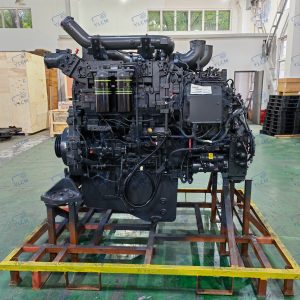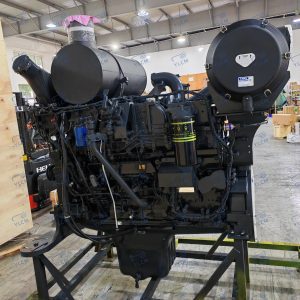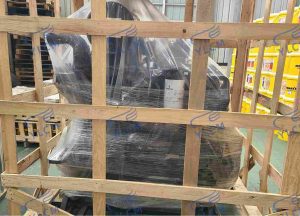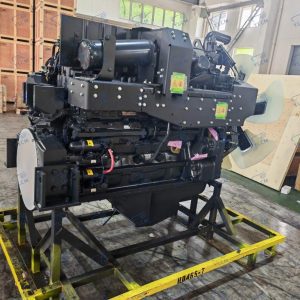

The wrong excavator spare part doesn’t just fail; it takes the whole machine offline. In my 22 years on the supply side, first at Komatsu and now running Shanghai Yanli, I’ve seen too many buyers learn this lesson the hard way. They chase the lowest price and pay with extended downtime. This article is the straight advice I give our partners: how to source excavator spare parts that actually keep your fleet running, whether you’re maintaining a single machine or managing a mine site. I’ll walk through OEM vs aftermarket decisions, supplier verification, and the quality checks that matter.
How a Bad Part Can Cost You More Than the Part Itself
The real cost of a failed part isn’t the replacement price. It’s the machine sitting idle while your crew waits. I’ve seen a hydraulic pump failure on a Komatsu PC200 shut down a road project for three days because the buyer had sourced a cheap rebuild from an unverified vendor. When that pump seized, it damaged the piston assembly too. The repair bill tripled.
Good spare parts don’t just fit; they match the OEM spec for material, hardness, and surface finish. In our sourcing, we compare multiple manufacturers and insist on material certificates for every batch. That’s not overhead; it’s insurance.
OEM vs Aftermarket Spare Parts: Which One Fits Your Operating Reality
The OEM vs aftermarket debate gets taken over by price, but the real question is about your operation. If you’re running a production excavator on a mine with heavy cycles, I recommend sticking with OEM or a top-tier aftermarket brand whose processes I’ve verified personally. But if you’re maintaining a fleet of older machines with predictable wear patterns, a vetted aftermarket part from a trusted supplier often gives 90% of the OEM lifespan at half the cost.
I’ve written about the trade-off between OEM and aftermarket for JCB machines, and the same logic holds across Komatsu, CAT, and Hitachi. The key is not the label. It’s whether the supplier can show batch testing data. Every aftermarket hydraulic cylinder we supply includes a test report with pressure and leakage data. Without that, you’re guessing.
What Separates a Reliable Excavator Parts Supplier from a Reseller
I won’t work with a supplier I haven’t visited. And I tell my customers to ask the same hard questions. A reliable supplier has a physical warehouse with stock on the shelf, not just a website. They have direct relationships with manufacturers, not a chain of middlemen. I’ve written in more detail about how to identify trustworthy parts sources, and the same principles apply here.
In Shanghai, we operate from a central hub that gives us access to over 20 OEM and aftermarket factories. That lets us consolidate orders and ship partial containers, which saves our clients 15 to 20 percent on freight.
Ask any potential supplier: can you provide a material certificate and a source trace for this batch? If the answer is “we don’t have that,” walk away.
Three Mistakes That Delay Your Spare Parts Order
Sending an incomplete inquiry. I get RFQs every day with just a part number and a photo. That’s not enough. We need the machine serial number, the year of manufacture, and the original part number. Without that, the risk of a mismatch is high. For example, a Komatsu PC200-8 has three different hydraulic pump revisions depending on the production region. A mismatch can cost a week.
Ignoring lead time realities. If you need a part in seven days but the factory’s standard production cycle is 10 days, someone is promising you inventory they don’t have. We list actual lead times and if a part is in stock, we can ship the same day.
Overlooking logistics and customs. Shipping from China to Kazakhstan or Nigeria requires specific documentation, including HS codes and packing lists that match customs requirements. A missing certificate can hold your shipment for days. We handle that by preparing all documents before the crate leaves our warehouse.
How to Verify Part Quality When You Can’t Inspect in Person
I’ve built our reputation on one principle: if I wouldn’t put it on my own machine, I won’t ship it. But you can verify quality remotely. Ask for a pre-shipment video showing the part under measurement. We do this for critical components like swing bearings and final drives. A quick video with calipers and a hardness tester removes the trust gap.
Another checkpoint: ask about warranty. A supplier confident in their parts will offer at least six months. We stand behind our products with a 12-month warranty, which we can offer because we’ve already done the quality checks at the factory gate.
If your operation involves a mix of older and newer machines, it’s worth having a sourcing partner who can handle both OEM and vetted aftermarket parts. Reach out at [email protected] with your machine list, and we’ll recommend a supply strategy that fits your budget and downtime tolerance.
How We Source Spare Parts and What It Means for Your Supply Chain
When a mining contractor in Central Asia needs undercarriage parts for a fleet of Komatsu HD785 dump trucks, they can’t afford surprises. We start with the machine’s full maintenance history. Then we run a parts forecast for the next three months, drawing from our network of manufacturers in China and Japan. By shipping consolidated containers once a month, we cut their landed cost by over 18 percent compared to buying piece by piece.
This kind of partnership works because we’re not just selling parts; we’re managing a supply channel. If a part gets discontinued, we already have a substitution plan from our engineering team. That’s the difference between a reseller and a partner.
Common Questions When Sourcing Excavator Spare Parts
How do I know if a part number is correct before ordering?
Cross-check the part number against the machine’s parts book, not just the old part itself. OEMs sometimes update numbers. At Shanghai Yanli, we verify against Komatsu, CAT, and Hitachi electronic catalogs and flag discrepancies before ordering.
What’s the difference between a rebuilt and remanufactured hydraulic pump?
A rebuilt pump only replaces the parts that failed. A remanufactured pump returns every wear surface to OEM spec using new seals and bearings. For high-hour machines, I recommend remanufactured. The initial cost is higher, but the first-repair interval is longer.

Can aftermarket parts match OEM lifespan?
Yes, when sourced from a manufacturer that uses equivalent material grades and heat treatment. We’ve supplied aftermarket track rollers to a road builder in Africa that lasted over 4,000 hours, matching the OEM spec. The catch is that you need a supplier who controls the full process chain, not just the price.
What documents should I request with an international shipment?
At minimum: commercial invoice, packing list, bill of lading or air waybill, and a certificate of origin. We also include a quality inspection report for non-standard parts, which helps with customs clearance and, later, with any warranty claims.
How can I reduce total landed cost when importing spare parts?
Consolidate shipments. Instead of ordering one track chain, bundle it with filters, seal kits, and a few high-wear items. A full container costs far less per kilogram than an air courier parcel. We help our clients plan quarterly stock reorders so they always have the top 30 wear parts on hand without tying up cash in excess inventory. If your machine list includes off-road trucks, loaders, or multiple brands, share it with us at [email protected] or call +86-21-55800172, and we’ll suggest a parts stocking plan matched to your operating hours and season.
If you’re interested, check out these related articles:
Excavator Seal Kits: Fast 3-Day Delivery for Repairs
Kobelco Excavator Parts Manuals: Your Guide to Efficient Maintenance
Excavator Implements: Types, Uses, and Sourcing Tips